

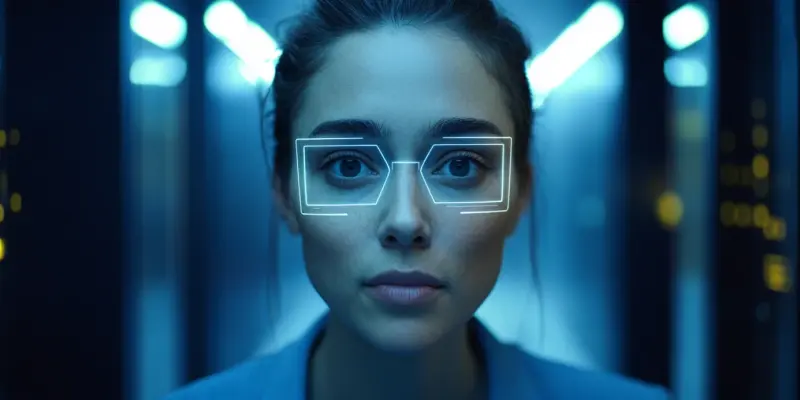
The hiring process is facing a disturbing new challenge with the rise of deepfake job candidates, presenting an unprecedented obstacle for recruiters and companies. Employing advanced AI technology, malicious actors have found a new avenue to deceive through the creation of highly realistic video representations of fake job applicants.This emerging threat not only complicates the efforts of hiring professionals but also raises significant concerns about the integrity of the recruitment process, as evidenced by recent incidents and expert analyses.
The Intricacies of Deepfake Technology in Hiring
The unsettling potential of deepfake candidates was starkly illustrated in an incident shared by Bettina Liporazzi, a tech recruiter from Argentina. Liporazzi encountered a candidate whose artificial representation appeared so convincingly human at first glance, yet upon closer scrutiny, showed telltale signs of deception. The candidate exhibited limited facial expressions and unnatural movements, which became more apparent when he abruptly ended the call after Liporazzi asked him to perform simple gestures like turning his head or waving.This case underscores the potential ease with which deepfake technology can be exploited in the realm of virtual job interviews.
Liporazzi’s experience is not an isolated incident but part of a growing trend where deepfake technology is being leveraged to trick recruiters. This worrying development highlights the need for professionals in the hiring industry to remain astute and vigilant.The realization that such sophisticated technology can be utilized to fabricate identities and deceive experienced recruiters emphasizes the urgent need for effective strategies and measures to detect and deter this form of fraud. The complexity of deepfake technology makes it imperative for the recruitment industry to stay ahead of these malicious actors by adopting more advanced verification processes.
The Expanding Scope of AI-based Fraud
AI-based fraud, initially limited to creating fake endorsements or manipulating political content, has now infiltrated everyday scenarios such as job interviews, marking a critical evolution in how this technology is misused.This expansion from niche applications to more commonplace situations raises serious concerns about the implications for workplace integrity and cybersecurity. Reports from cybersecurity firms have highlighted a significant increase in deepfake video scams, urging the need for robust countermeasures to address this growing threat.The rise in deepfake scams has profound implications for both individuals and organizations. With nearly half of companies reporting encounters with deepfake scams in recent years, the urgency of the situation is clear.This escalation in AI-based fraud underscores the necessity for companies to develop comprehensive strategies to protect against such deceptive practices. As deepfake technology continues to improve and become more accessible, the challenge is to stay vigilant and innovate in cybersecurity measures to prevent potential breaches and fraud.The use of AI for fraudulent purposes exposes vulnerabilities in traditional verification processes. As these technologies become more sophisticated, the threat they pose to corporate security becomes ever more pronounced.Companies must therefore invest in advanced detection technologies and training for recruiters to recognize and respond to deepfake attempts proactively. By staying informed about the latest developments in AI, organizations can better safeguard against the threats posed by this evolving form of fraud.
The Dual-Edged Sword of AI in Recruitment
AI technology offers numerous benefits, such as streamlining recruitment processes and helping manage large volumes of applications. However, the integration of AI also comes with significant challenges that cannot be overlooked.Deepfake technologies add a new layer of complexity to existing problems, such as AI’s inability to accurately assess the nuances of resumes or its propensity to perpetuate hiring biases. The possibility of candidates manipulating their identities and even outsourcing their interviews to others further complicates the landscape, revealing the darker side of AI in recruitment.The potential for AI to misjudge qualified candidates and exacerbate discrimination in hiring practices has been a longstanding issue. Deepfake technology amplifies these concerns, as the ability to fabricate identities introduces new ways to cheat the system. This manipulation could lead to unqualified individuals being hired, thereby affecting organizational effectiveness and morale.It becomes essential for the recruitment industry to scrutinize AI applications and ensure ethical guidelines are followed to mitigate these risks.
While the benefits of AI in recruitment cannot be dismissed, the industry must balance these advantages against the potential for abuse. The application of deepfake technology calls for a reassessment of existing recruitment practices, making them more robust and resistant to deception.By implementing stringent verification measures and continually evolving alongside technological advances, the recruitment industry can harness the positive aspects of AI while minimizing the risks associated with its misuse.
Strategies to Mitigate Deepfake Fraud
Recruiters like Liporazzi are proactively adapting their strategies to combat the threat of deepfake candidates. One effective method involves real-time verification techniques, where recruiters ask candidates to perform specific movements or interactions with their surroundings while on camera.This approach helps identify inconsistencies that are often indicative of deepfake technology. Ensuring that candidates keep their cameras on during interviews and engage in spontaneous interactions can also help deter fraudulent attempts.The development of advanced AI detection tools is another essential strategy in addressing deepfake fraud. These tools analyze video footage for subtle anomalies that human recruiters might miss, such as unnatural eye movements or inconsistencies in lighting and shadows. By incorporating these technologies into the hiring process, recruiters can enhance their ability to spot deepfakes early on.Training recruiters to recognize deepfake characteristics and stay current with evolving trends in AI deception is also crucial for maintaining the integrity of the recruitment process.
Employing a multi-faceted approach that combines technology with human oversight is vital for effectively mitigating the risks posed by deepfake candidates. Clear protocols for identity verification, continuous education for recruitment teams, and adoption of cutting-edge detection technologies can create a robust defense against AI-based fraud.By remaining vigilant and adapting to the ever-changing technological landscape, companies can protect themselves from the deceptive practices employed by deepfake candidates.
Broader Implications of Deepfake Technology
The hiring process is facing a troubling new challenge with the rise of deepfake job candidates, presenting an unprecedented obstacle for recruiters and companies.Using advanced AI technology, bad actors have discovered a new way to deceive by creating highly realistic video representations of fake job applicants. This emerging threat complicates the efforts of hiring professionals and raises significant concerns about the integrity of the recruitment process. Recent incidents and expert analyses underscore the seriousness of this problem.The authenticity of job candidates is now under scrutiny, forcing companies to enhance their verification measures. As deepfake technology becomes more sophisticated, the implications for the hiring process could grow, making it crucial for organizations to develop robust security strategies to safeguard against these deceptive practices.Ensuring a legitimate and honest hiring process is essential to maintaining trust and efficiency in the job market.