

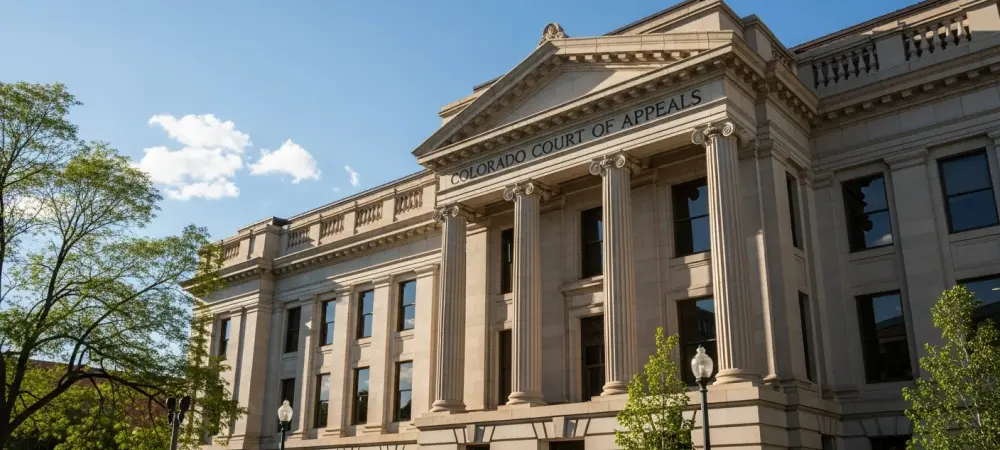
The balance of power within the modern workplace often hinges on the ability of employees to speak openly about their compensation without the looming shadow of professional retribution or career-ending disciplinary measures. Recent legal developments in Colorado have fundamentally altered this dynamic. They clarified that the state’s primary wage protection laws do not require a worker to prove gender-based bias before seeking protection from retaliation. This shifts the focus from the identity of the complainant to the act of communication itself, reinforcing the idea that transparency is a fundamental right rather than a conditional privilege. By decoupling the act of inquiring about wages from the necessity of identifying systemic discrimination, the court has established a robust framework that encourages workers to participate in the labor market with greater confidence. This landmark ruling effectively removes a significant barrier that previously forced employees to solve a complex legal puzzle of proof before they could even safely ask why their paychecks did not reflect their actual hours.
Exploring the Legal Landscape and the Origins of the Conflict
Statutory Foundations: The Mechanics of Fair Compensation Laws
The legislative intent behind the 2019 Equal Pay for Equal Work Act was to address persistent disparities in compensation by fostering an environment of radical transparency across all industries within the state. To achieve this, lawmakers implemented several critical prohibitions, such as banning employers from inquiring about an applicant’s salary history and preventing companies from enforcing policies that discourage employees from discussing their earnings with peers. These measures were designed to strip away the secrecy that often masks unfair pay practices, allowing workers to benchmark their compensation against objective standards rather than subjective assessments. The act further provided a legal pathway for individuals to seek damages if they were subjected to adverse actions for exercising these rights, thereby making the law an active tool for workplace equity. This structure recognizes that pay transparency is not merely a social goal but a functional mechanism that allows the free market to operate more fairly for everyone involved.
Examining the Verheggen Case: A Decade of Unpaid Labor
The legal tension surrounding these protections reached a critical boiling point in the case of Emily Camp Verheggen, who found herself in a protracted dispute with her employer regarding long-standing wage issues. Verheggen alleged that for nearly a decade, she was consistently required to perform duties that far exceeded her standard working hours, totaling nearly double her contracted schedule without receiving the legally mandated overtime pay. When she finally moved to assert her rights by filing a formal demand for hundreds of thousands of dollars in accumulated back pay, the administrative response from her employer was swift and punitive. Instead of addressing the financial discrepancy, the organization issued reprimands and placed her on an unpaid suspension, citing “unprofessionalism” as the justification for the disciplinary measures. This specific conflict highlighted the vulnerability of employees who seek to rectify financial errors, as their attempts to obtain fair pay can be easily characterized by management as insubordination.
Shifting Judicial Perspectives on Anti-Retaliation Measures
Overturning the Mandate: Moving Beyond Gender-Specific Hurdles
Initial legal proceedings in a lower district court resulted in a setback for the employee, as the judge interpreted the Equal Pay for Equal Work Act through a very narrow and restrictive lens. The court originally held that because the underlying dispute centered on a general overtime claim rather than a specific allegation of gender-based discrimination, the worker’s actions did not qualify as “protected activities.” Such a requirement created a Catch-22 situation where an employee could be legally fired for asking about pay parity, as long as they had not yet gathered enough evidence to prove a gender gap existed. Critics of this initial ruling argued that it fundamentally undermined the spirit of the law by leaving workers defenseless during the very information-gathering phase that the statute was intended to protect and facilitate for all staff members.
Protecting the Inquiry: Ensuring Safety in Wage Discussions
The appellate court’s unanimous decision finalized a significant expansion of worker protections by confirming that the right to discuss compensation existed independently of any specific discrimination claim. This ruling ensured that employees could engage in necessary financial advocacy without fear of losing their livelihoods or facing punitive measures from their employers. Legal experts recommended that organizations immediately update their internal handbooks to reflect these broader standards, removing any language that restricted wage transparency. Management teams across the state began implementing standardized protocols for handling pay inquiries, focusing on objective data rather than subjective disciplinary responses. It was determined that fostering an environment of open communication was the most effective strategy for mitigating legal risks while simultaneously promoting workplace equity. These historical adjustments provided a definitive blueprint for how transparency laws should function, effectively shifting the burden of proof away from the vulnerable worker.