

Despite the rapid industrialization seen across the Bahamian archipelago, a significant portion of the local workforce remains largely unfamiliar with the specific protections afforded to them under the Health and Safety at Work Act. This disconnect often results in avoidable site injuries that not only jeopardize individual well-being but also cause significant project delays and increased liability for contractors. The Bahamian Construction Association has identified that while the statutory framework is robust, the actualization of these mandates requires a cultural shift within the industry. By emphasizing the integration of modern safety protocols, the association seeks to move beyond mere legal compliance toward a proactive environment where hazard identification is a shared responsibility. Current data indicates that small-to-medium-sized enterprises often lack the dedicated safety officers found in larger multinational firms, creating a disparity in protection levels across the islands. Addressing this imbalance involves standardized training that bridges the gap between theoretical law and daily practice.
Bridging the Gap: Moving From Legislation to Site Implementation
The current regulatory environment in the Bahamas demands a more sophisticated understanding of risk management than what was acceptable in previous decades. As developers look toward 2026 and 2027, the complexity of new commercial projects necessitates a rigorous adherence to the Health and Safety at Work Act to mitigate the risks associated with high-rise structures and coastal builds. The Department of Labour has intensified its inspection schedule, yet the primary responsibility for maintaining a safe environment rests with the project managers and site foremen. This responsibility includes the provision of personal protective equipment that meets international standards, such as those established by the American National Standards Institute. Furthermore, the legal “Duty of Care” requires employers to conduct regular risk assessments that account for the unique environmental factors of the Caribbean, including extreme heat and potential hurricane-force winds during the construction phase.
One of the primary hurdles identified by industry experts is the prevalent reliance on informal training methods that fail to capture the nuances of legislative requirements. To combat this, the Bahamian Construction Association started promoting a national safety certification program designed to align local labor with international safety benchmarks. This initiative focuses on high-risk activities such as scaffolding assembly, heavy machinery operation, and deep-excavation protocols where the margin for error is minimal. By formalizing these educational paths, the industry can ensure that every worker, regardless of their specific trade, possesses a baseline understanding of their right to refuse unsafe work and the proper channels for reporting hazards. The transition to a more structured safety culture also involves the implementation of digital logging systems that track safety meetings and incident reports in real time, providing a clear audit trail for insurance and compliance purposes across the various construction sites.
Strategic Evolution: Advancing Occupational Health Standards
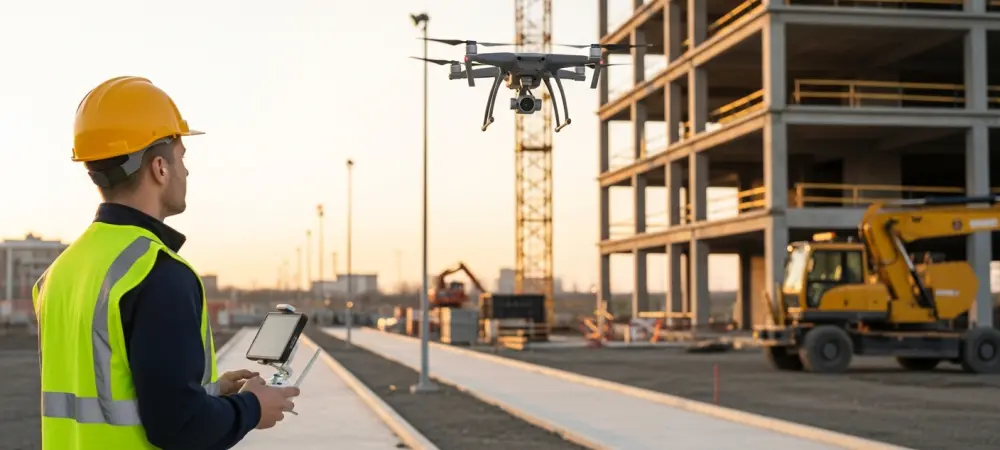
The adoption of advanced technology has become a cornerstone of the modern approach to workplace safety within the Bahamian construction sector. Innovations such as wearable sensors that monitor a worker’s heart rate and body temperature are being tested to prevent heat exhaustion, a frequent concern in tropical climates. These devices provide real-time alerts to supervisors, allowing for immediate intervention before a medical emergency occurs. Additionally, the use of drone technology for high-altitude inspections has significantly reduced the need for human exposure to dangerous heights during the initial survey and post-storm assessment phases. The integration of Building Information Modeling software further assists by allowing safety managers to visualize potential hazards in a virtual environment before a single shovel hits the ground. This pre-emptive strategy ensures that safety is designed into the project lifecycle from the very beginning, rather than being treated as an afterthought or a secondary operational expense.
In recent months, the collaborative efforts between the government and private sector stakeholders established a comprehensive framework for future safety innovations. Industry leaders recognized that the path forward required a decentralized approach where safety knowledge was democratized across all levels of the workforce. They implemented new mentorship programs where veteran workers shared practical insights with apprentices, ensuring that institutional knowledge complemented modern technical training. This strategy focused on creating a sustainable pipeline of safety-conscious professionals who viewed compliance as a competitive advantage rather than a regulatory burden. Furthermore, the decision was made to invest in a centralized digital database for tracking safety credentials, which allowed for seamless verification of worker qualifications across different projects. These measures effectively shifted the industry focus toward long-term resilience and proactive hazard mitigation, setting a new standard for operational excellence in the regional construction landscape.