

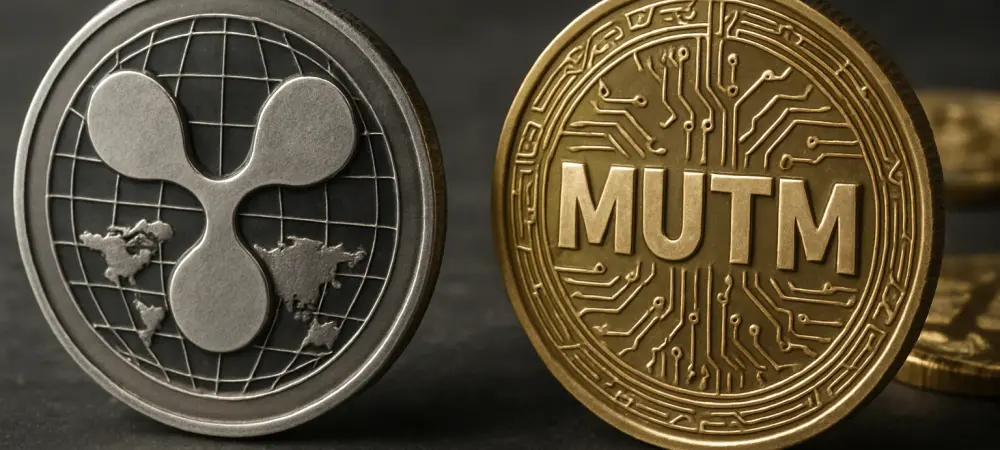
Cryptocurrencies fundamentally reshape the global financial landscape, offering novel solutions and inviting both investors and skeptics into an ongoing debate. XRP’s story, characterized by its longstanding battle with regulatory bodies, contrasts with the emerging presence of Mutuum Finance (MUTM) in the decentralized finance (DeFi) domain. Understanding these developments is crucial as they redefine digital asset roles within economies.
XRP’s Legal Journey and Market Position
XRP has seen its fair share of market fluctuations largely attributed to legal proceedings that concluded recently and returned focus to its established infrastructure. The resolution of its SEC lawsuit has reignited interest among institutional investors, bolstering its status among altcoins. However, the road ahead is not without challenges. XRP faces competition from major networks like Ethereum and Solana, residues of past security incidents, and concerns over centralization. Ripple Labs’ significant holdings emphasize the need for strategic decentralization to secure long-term viability.
Technological Advancement Through Mutuum Finance
Mutuum Finance (MUTM) represents fresh ingenuity in the DeFi sector, backed by its innovative lending and stablecoin systems. Currently priced attractively at $0.03, it draws over 13,200 investors into its ecosystem. Mutuum stands apart with its comprehensive Layer-2 infrastructure that enhances transaction speed, reduces costs, and ensures robust cross-chain compatibility. Its technical soundness and strategic approach to decentralized finance signal a substantial capability for growth and integration within the financial ecosystem.
Comparative Analysis and Emerging Patterns
The contrasting paths of XRP and MUTM reflect broader market trends and investor preferences. While XRP displays the resilience of an established network, maintaining relevance through adaptability and legal triumphs, MUTM captures attention with its technology-centric narrative and emphasis on decentralization. Investors’ shifting focus towards transparent, scalable solutions emphasizes the sector’s evolving priorities. Analysis suggests that within two years, significant adoption of MUTM could sharply increase its market presence, presenting new challenges to established currencies.
Market Implications and Strategic Recommendations
Investors and stakeholders must adopt strategic foresight to capitalize on these evolving market dynamics. XRP’s established network, while steady, requires continued focus on decentralization and innovation to remain competitive. Meanwhile, MUTM’s rapid technological advancements offer lucrative opportunities but also necessitate careful risk management. Aligning investment strategies with these trends could optimize returns and manage risks effectively, paving the way for informed decision-making in the crypto sphere.
Strategic Insights and Closing Thoughts
This exploration of XRP and MUTM’s trajectories demonstrated their unique roles and the broader implications for the cryptocurrency ecosystem. XRP, transitioning through regulatory complexities, offered avenues for stable, yet cautious, growth. Conversely, MUTM’s innovative frameworks and technological potential underscored the transformative power of decentralized solutions within financial systems. Going forward, innovation and strategic adaptation remain pivotal. As both assets seek greater integration and applicability, stakeholders are encouraged to harness these insights for strategic positioning, heralding a promising, albeit challenging, future for digital currencies.