

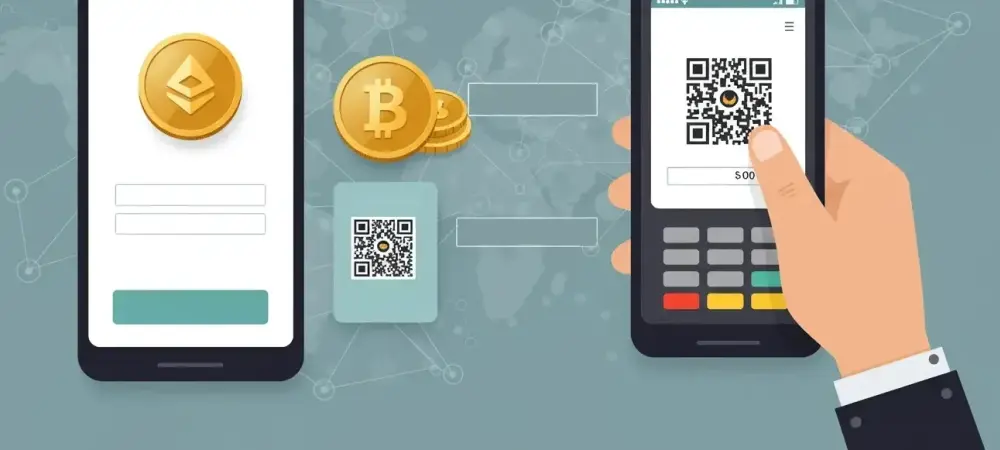
In an era where speed and efficiency are paramount, the ability to fund brokerage accounts effortlessly and at any time of the day is transformative. Imagine being able to deposit funds into your trading account while others are wrestling with delayed banking transfers due to time zones or holidays. Tastytrade has introduced a pioneering solution that promises to eliminate these barriers with its stablecoin funding feature, now available 24/7 for its global traders.
Innovations in Financial Systems: Bridging Old and New
Modern financial systems serve as both pathways and obstacles in the world of trading. While digital innovations promise connectivity and speed, traditional mechanisms often stifle this potential with inherent constraints like sluggish transfer times. Researchers have indicated that, on average, international transactions can take anywhere from one to five business days, often hampered by various conversion procedures and time zone differences. Can our global economy truly afford such delays in the dynamic world of trading?
From Legacy to Innovation: The Financial System Shift
Traditional financial structures have long grappled with inefficiencies. Currency conversion fees and transfer delays plague global traders, often leading to missed opportunities and escalated costs. These frustrations are no stranger to investors who find themselves stuck waiting for funds to settle. In a digital age demanding instant solutions, the limitations of legacy systems are increasingly highlighted, urging industries to seek alternatives that align with real-time global commerce.
Stablecoins: A Revolution in Account Management
Stablecoins, digital currencies designed to maintain a stable value, are reshaping the financial landscape. Partnering with Zerohash, Tastytrade offers its users a seamless method of funding their accounts globally using stablecoins like USDC, USDT, PYUSD, and RLUSD. This collaboration not only breaks geographical barriers but also enables traders to access funding without traditional banking hurdles. Imagine a scenario where a trader in Singapore can instantly top up their account after spotting a market opportunity without waiting for bank hours or worrying about currency exchanges.
Expert Opinions on the Financial Shift
Industry leaders have commended this initiative for its potential to reshape trading dynamics. Pete Mulmat, CEO of IG North America, underscores that stablecoin funding enhances market accessibility, ensuring traders are not constrained by time zones or banking hours. Zerohash representatives emphasize how stablecoin integration simplifies processes for brokerages, offering unrivaled efficiency and operational ease. This unified endorsement from key industry figures highlights the robustness and future potential of stablecoin utilization in trading.
Adapting to New Opportunities in Trading
For investors eager to embrace this advancement, stablecoin funding presents new opportunities for streamlined financial management. By integrating stablecoins, traders can swiftly fund their accounts, reducing processing times and bypassing traditional banking requirements. Transitioning to this system involves a straightforward setup, providing users with step-by-step guidance on converting and transferring stablecoins to their brokerage accounts. This process is not only faster but also provides a layer of security and transparency unmatched by conventional financial transactions.
Paving the Way for Future Innovations
As the financial landscape transitions toward digital solutions, stablecoin funding significantly impacts by offering a more efficient way to manage trading accounts. It enables investors to capitalize on market opportunities with unprecedented speed and reliability. This revolution in finance underscores the importance of embracing technology-driven solutions to overcome traditional barriers. As new developments emerge, stakeholders remain adaptive, ensuring continued progress in financial transactions.