

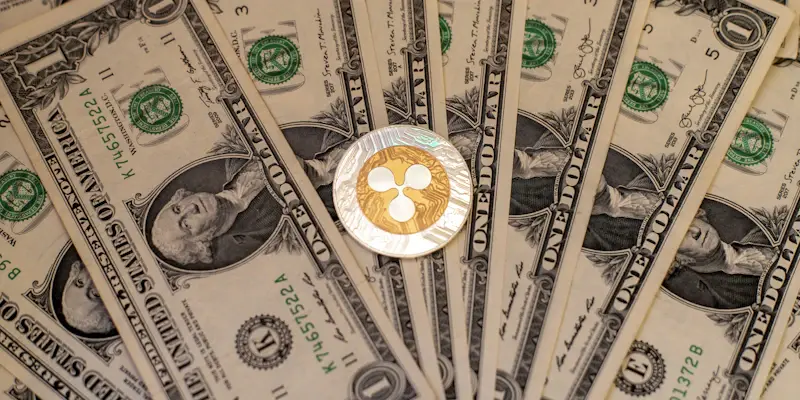
Coinbase has recently filed an application to launch XRP futures with the U.S. Commodity Futures Trading Commission (CFTC), aiming to release the product by April 21.This new futures offering, symbolized as XRL, signifies a major shift in the cryptocurrency trading landscape, potentially sparking increased institutional interest. The product will involve monthly cash-settled and margined contracts based on XRP’s market price, settled in US dollars. Each unit of the futures will represent 10,000 XRP, equating to a value of approximately $20,000. These futures can be traded for the current month and up to two months ahead, with automatic trading pauses instituted if XRP’s price fluctuates by more than 10% within an hour, protecting against market volatility.
Institutional Interest in XRP Futures
Background and Recent Developments
Coinbase’s move to introduce XRP futures follows closely on the heels of Bitnomial’s introduction of the first CFTC-regulated XRP futures earlier in March.This trend indicates a booming institutional interest in XRP, signified by its growing presence on major global exchanges like Binance, OKX, Bybit, and BitMEX. Historically, institutional investors have sought diverse trading instruments to hedge against price movements and capitalize on market opportunities. XRP’s establishment as a reliable digital asset is enhancing its attractiveness for institutional trading.
Moreover, the availability of XRP futures on several platforms underscores the market’s confidence in XRP’s potential. Despite this burgeoning interest, Coinbase appears optimistic that the market demand for even more trading options remains strong. The strategic expansion into XRP futures aims to fulfill this demand while ensuring enhanced market liquidity and stability. This initiative also represents Coinbase’s commitment to staying ahead in the competitive cryptocurrency market by offering innovative products tailored to institutional investors.
Market Performance and Future Expectations
Over the past week, XRP’s price witnessed an 8.53% decline, with its value resting at $2.05. Concurrently, daily trading volumes saw a 30% drop, reflecting a negative sentiment within the market. XRP funding rates have also turned negative, indicating a bearish outlook among traders.For XRP’s price to rebound and aim for $3, it would need to surpass the resistance level of $2.34. This backdrop of fluctuating prices and trading volumes highlights the potential impact of introducing XRP futures on market dynamics.Despite the recent bearish trend, the introduction of XRP futures by Coinbase could revitalize market interest and volumes. Institutional investors typically respond positively to new trading instruments that offer opportunities for diversified investment. By providing a regulated and structured futures product, Coinbase aims to attract more institutional participation, which could, in turn, stabilize and potentially boost XRP’s market performance. The automatic trading pauses also offer a layer of security, which could encourage more risk-averse investors to engage in XRP trading.
Implications of Coinbase’s Strategic Move
Ensuring Market Stability
Coinbase’s proactive measures to introduce XRP futures reflect a calculated approach to ensuring market stability amidst fluctuating price trends. The implementation of automatic trading pauses in cases of significant price movements serves as a critical risk management tool. Such measures safeguard investors from erratic market behavior and prevent sudden sell-offs that could lead to severe price drops. This strategic foresight is likely to boost confidence among institutional investors, who prioritize security and stability in their trading activities.
Additionally, by aligning with CFTC regulations, Coinbase ensures that its XRP futures product meets stringent regulatory standards, enhancing its legitimacy and appeal to institutional traders. These steps are part of a broader strategy to create a more robust and transparent trading environment, crucial for attracting and retaining institutional interest.The emphasis on regulatory compliance also signals to the market that Coinbase is committed to maintaining high standards, a critical factor for institutional stakeholders.
Potential Market Impact
The introduction of XRP futures by a major platform like Coinbase could significantly alter market dynamics. Increasing the trading options available to institutional investors can lead to heightened interest and participation, potentially driving up trading volumes. This increased activity can have a stabilizing effect on XRP’s market, reducing volatility and encouraging more investor confidence.
Moreover, the introduction of such products can lead to more sophisticated trading strategies. Institutional investors often employ futures to hedge against potential losses in the spot market, which can help manage risk more effectively.The presence of advanced financial instruments like XRP futures also indicates the maturation of the cryptocurrency market, making it more attractive to a broader range of investors.
Broader Market Context
Competitive Landscape
Coinbase’s entry into the XRP futures market positions it competitively among other major platforms already offering similar products. By offering XRP futures, Coinbase not only enhances its product portfolio but also competes directly with exchanges like Binance, OKX, Bybit, and BitMEX. Each of these platforms has seen significant trading volumes and institutional participation, underscoring the competitive nature of this market segment.
In this context, Coinbase’s move can be seen as an effort to capture a larger share of the growing institutional market for cryptocurrency derivatives. By providing a regulated and secure trading environment, Coinbase aims to differentiate itself from competitors and attract a loyal investor base. This strategy aligns with broader market trends where regulatory compliance and security are becoming increasingly important to institutional investors.
Future Considerations
The success of Coinbase’s XRP futures will likely depend on several factors, including market reception and overall cryptocurrency performance.If the market responds positively, it could pave the way for the introduction of other futures products and similar financial instruments. This broader adoption can contribute to the maturity and stability of the cryptocurrency market, attracting even more institutional interest.
As the market evolves, continued innovation and adaptation will be crucial for maintaining competitiveness. Coinbase’s proactive approach in introducing XRP futures and ensuring regulatory compliance sets a precedent for future initiatives.It will be essential for the platform to monitor market trends and investor feedback closely, adapting its offerings to meet the changing needs of the market.
Conclusion
Coinbase has recently submitted an application to the U.S. Commodity Futures Trading Commission (CFTC) to introduce XRP futures, with plans to release the product by April 21. This new offering, known as XRL, represents a significant development in the cryptocurrency market and could attract greater institutional interest. The futures product will feature monthly cash-settled and margined contracts reflecting XRP’s market price, settled in US dollars. Each contract represents 10,000 XRP, valued at around $20,000. Traders can engage in contracts for the current and the next two months. To mitigate market risks, automatic trading pauses will be enforced if XRP’s price fluctuates by more than 10% within an hour, fostering a more stable trading environment.This innovative step underscores Coinbase’s commitment to expanding its product range and enhancing the overall market infrastructure for cryptocurrencies, potentially setting new standards for the industry.