

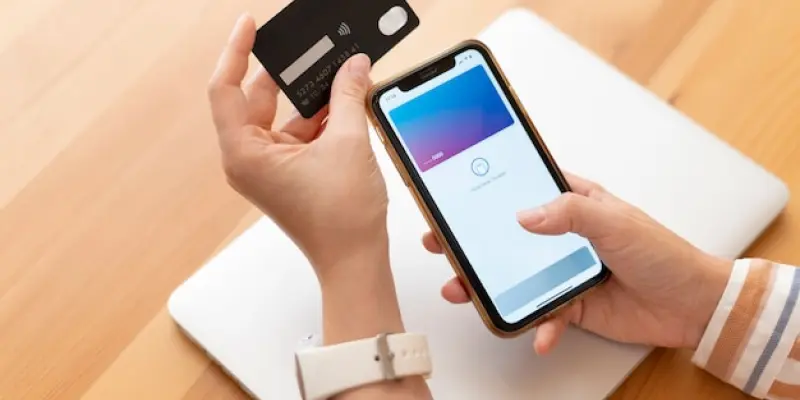
In a landmark shift within the mobile payment industry, the European Union’s Digital Markets Act (DMA) has initiated a new phase of competition by mandating Apple to open its Near Field Communication (NFC) technology to third-party developers. This regulatory move disrupts a long-standing monopoly and invites significant players like PayPal to introduce their contactless payment services on iPhones, leading to a transformative evolution in the tech sphere. Previously, Apple’s proprietary control of NFC technology curtailed innovation, but the recent policy change has triggered a ripple effect, setting the stage for groundbreaking advancements. As this influence expands beyond Europe, experts are closely monitoring the global ramifications, wherein embedded NFC technology is seen as a driver of new digital services and improved user experiences. This newfound accessibility marks not only a tech evolution but a redefinition in the digital financial landscape.
A New Era of Competition and Innovation
Opening Doors for Third-Party Developers
The DMA ushered in a pivotal moment in digital finance, compelling Apple to grant NFC access to third-party apps, thereby dismantling its exclusive hold over this essential technology. As Apple opens its doors, developers are now poised to introduce innovative solutions within the iOS ecosystem, breathing new life into contactless transactions. Prior to this regulatory shift, only apps sanctioned by Apple could leverage NFC on iPhones, limiting consumer choices and stifling potential breakthroughs. With this unprecedented access, companies like PayPal have already rolled out tap-to-pay features in Germany, signaling broader expansion plans. This change promises users seamless transactions, enriching everyday interactions with new capabilities such as smart keys for security and transit passes for ease of travel. Moreover, API access provides developers the creative freedom to explore enhanced mobile functionalities, ensuring richer, personalized experiences. Consequently, this development spearheads a wave of competitiveness, encouraging tech firms to leverage NFC for innovative financial applications and broaden digital horizons.
Apple’s NFC Opening Sparks Global Interest
The liberation of NFC access on iPhones holds global implications, as regions beyond Europe eagerly await similar opportunities. Apple’s compliance with the DMA signifies potential widespread adoption of expanded NFC usage worldwide, impacting markets across the United States, United Kingdom, Canada, Australia, Japan, New Zealand, and Brazil. Analysts predict this accessibility will catalyze broader tech transformations, as businesses rush to optimize NFC capabilities to suit local needs and consumer demands. By bridging gaps between regional innovations and global standards, the metamorphosis in mobile payments feels palpable, bringing economies closer to a unified, digital-first future. The surge in NFC technology utilization aligns with ongoing efforts to harness digital tools for comprehensive societal integration, enhancing harmonious transitions across borders. Though Android users have enjoyed relatively open NFC access, Apple’s recent concessions promise to refine user experiences, providing consistency and heightening consumer engagement. As organizations adjust to this newfound freedom, they stand encouraged to explore uncharted opportunities, drive creativity, and potentially revolutionize industry dynamics.
Reimagining Mobile Transactions
Coalescing Device Interactions with Everyday Life
The widespread NFC availability marks a significant leap in connecting technology with daily activities, fostering synergies between devices and personal life pursuits. This symbiotic relationship nurtures enhanced digital experiences, asserting convenience and sophistication across varied interactions, from simple transactions to advanced services. As NFC finds deeper integration into devices, users are likely to encounter more engaging interfaces, transcending beyond traditional purchase protocols to include smart utility features. The seamless interrelation between technology and routine tasks reflects a cohesive digital landscape, breathing life into the notion of interconnected living. Furthermore, developers pledging commitment to utilizing NFC technology are set to redefine interaction paradigms, grounding the evolution in practical applications tailored to individual preferences. As NFC-driven innovations permeate society, they encourage a reconsideration of existing processes, harmonize operations, and introduce a new standard for digital engagement.
Transforming Digital Finance Interaction Worldwide
The technological shift powered by Apple’s NFC adjustment naturally predicts a reevaluation of digital financial interactions on a global scale. This change encompasses more than merely opening tech gateways; it is about embedding smart systems into the fabric of everyday capabilities. Bringing NFC functionality to third-party developers positions itself as a prime catalyst for universal advancement, prompting financial institutions and tech bodies to pioneer constructs enabling enriched mobile platforms. Resulting innovations potentially converge into a refined digital strategy, enticing global adaptation and inspiring tech leaders to set ambitious benchmarks. Additionally, as NFC becomes an integral component of mobile architecture, users can expect unprecedented ease and security, fostering confidence and elevating consumer trust in digital finance frameworks. The extended integration spells promise for a cohesive tech milieu, where NFC facilitates seamless transitions and empowers novel developmental initiatives.
Implications for Future Progress
The Digital Markets Act (DMA) marks a transformative milestone in digital finance, mandating Apple to allow NFC access to third-party applications, thereby ending its exclusive control over this crucial technology. With this newfound openness, developers can now bring inventive ideas to the iOS platform, revitalizing contactless payment systems. Previously, only apps with Apple’s approval could utilize NFC on iPhones, restricting consumer options and hindering potential innovations. Now, companies like PayPal have introduced tap-to-pay features in Germany, hinting at more expansive plans globally. This regulatory evolution assures users smoother transactions, enhancing daily interactions with features like smart keys for security and transit passes. Furthermore, API access grants developers the freedom to create improved mobile functions, enriching personalized user experiences. Hence, this shift paves the way for heightened competition, motivating tech companies to explore NFC’s potential in creating novel financial solutions and expanding digital possibilities.