

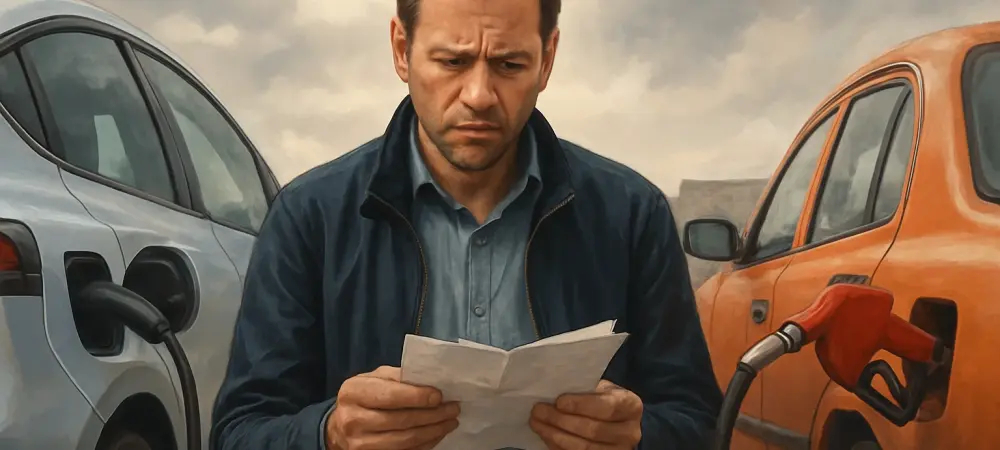
In a world where electric vehicles (EVs) are hailed as the cornerstone of a sustainable future, a staggering reality hits Canadian drivers hard: insuring an EV costs an average of 36.8% more than a gas-powered car, with annual premiums for EVs reaching $3,131.43 compared to $2,289.27 for traditional vehicles. This price gap raises eyebrows and stalls enthusiasm for going green. What lies behind this costly barrier, and how does it shape the decision to switch to electric? This disparity demands a closer look as the nation accelerates toward net-zero goals.
The Hidden Cost of Going Green
Beyond the upfront price of an EV, the insurance bill often comes as a shock to potential buyers. This financial hurdle isn’t just a minor inconvenience; it represents a significant obstacle for many Canadians contemplating the switch from gas to electric. As the government pushes for widespread EV adoption with ambitious environmental targets, the steep insurance premiums threaten to slow progress, leaving drivers to question whether the benefits of electric truly outweigh the costs.
The importance of this issue cannot be overstated. High insurance rates impact not only individual budgets but also the broader movement toward sustainability. If the cost of owning an EV remains prohibitive, fewer drivers will make the leap, potentially derailing national climate goals. Understanding why these premiums are so high—and what can be done about it—is critical for both consumers and policymakers aiming to pave the way for a cleaner automotive landscape.
Unpacking the Price Disparity
Delving into the reasons behind the inflated EV insurance costs reveals a complex web of factors. One major driver is the astronomical expense of battery replacements, which can rival the price of a new car. Insurers often opt to write off damaged EVs rather than repair them, inflating premiums to cover such risks. This unique challenge sets EVs apart from gas vehicles, where repairs are typically less prohibitive.
Another contributing factor lies in the specialized nature of EV repairs. With a limited pool of certified mechanics and proprietary parts that are hard to source, repair times stretch longer, and labor costs soar. This scarcity creates a ripple effect, pushing insurance providers to charge more to offset potential claims. Unlike gas cars, which benefit from a well-established repair infrastructure, EVs remain a niche challenge for the industry.
Provincial differences further complicate the picture. In Alberta, EV drivers face an average annual premium of $3,342.93, while those in New Brunswick enjoy a lower rate of $2,769.36. For gas cars, Ontario tops the list at $2,464.18 annually. These variations stem from local risk profiles, infrastructure readiness, and regulatory frameworks, highlighting that location plays as big a role as vehicle type in determining insurance costs.
Industry Insights and Real Stories
Experts in the insurance field shed light on the nuances of this cost gap. An analyst points out, “Battery repairs are unpredictable—costs can spiral out of control, forcing insurers to set higher premiums as a precaution.” This uncertainty stems from a lack of historical claims data for EVs, leaving providers to err on the side of caution. Such insights reveal how the industry grapples with the evolving risks of insuring cutting-edge technology.
Drivers, too, have their share of experiences that paint a vivid picture. An EV owner from Alberta laments, “Switching to electric felt like the right choice for the planet, but the insurance bill stings like a penalty for trying to do good.” This sentiment echoes among many who feel torn between environmental values and financial realities. The emotional weight of this decision underscores the personal stakes involved in adopting greener transportation.
Market trends offer a glimmer of hope amid these challenges. Projections show the global EV insurance market expanding from $50 billion in 2025 to an astonishing $507 billion by 2033, signaling rapid growth. This boom suggests that as EV adoption rises, insurers will adapt, potentially narrowing the cost gap through innovation and better risk assessment over time.
Strategies to Tame the Insurance Beast
For Canadian drivers daunted by high EV insurance premiums, practical solutions exist to ease the burden. Shopping around for policies tailored specifically to EVs can make a difference, as some insurers now offer coverage for unique components like battery systems and charging equipment. Finding a provider that understands these needs can lead to more competitive rates.
Another avenue to explore is usage-based insurance (UBI) powered by telematics. These programs track driving habits in real time, rewarding safe behaviors with lower premiums. For EV owners who drive cautiously or limit mileage, this personalized approach could trim costs significantly, aligning financial incentives with responsible habits.
Additionally, seeking out green discounts or provincial incentives can provide relief. Some regions and insurers offer reduced rates for eco-friendly choices or low-mileage usage, reflecting a growing recognition of the value of sustainable driving. Balancing these savings against the higher premiums helps drivers make informed choices about total ownership costs, ensuring that the decision to go electric remains viable.
Reflecting on a Costly Journey
Looking back, the journey to understand the hefty price tag of EV insurance in Canada revealed a landscape marked by technological challenges and regional disparities. The 36.8% cost difference between insuring EVs and gas cars stood as a formidable barrier, driven by expensive battery repairs and limited repair networks. Expert voices and driver stories alike highlighted the frustration and complexity of navigating this financial hurdle.
Yet, the path forward emerged with clarity through actionable strategies. Shopping for EV-specific policies, embracing usage-based insurance, and tapping into green incentives offered tangible ways to mitigate costs. As the EV insurance market geared up for explosive growth in the years ahead, a sense of optimism lingered that premiums might eventually align more closely with those of gas vehicles, making the switch to electric a more accessible choice for all Canadians.