

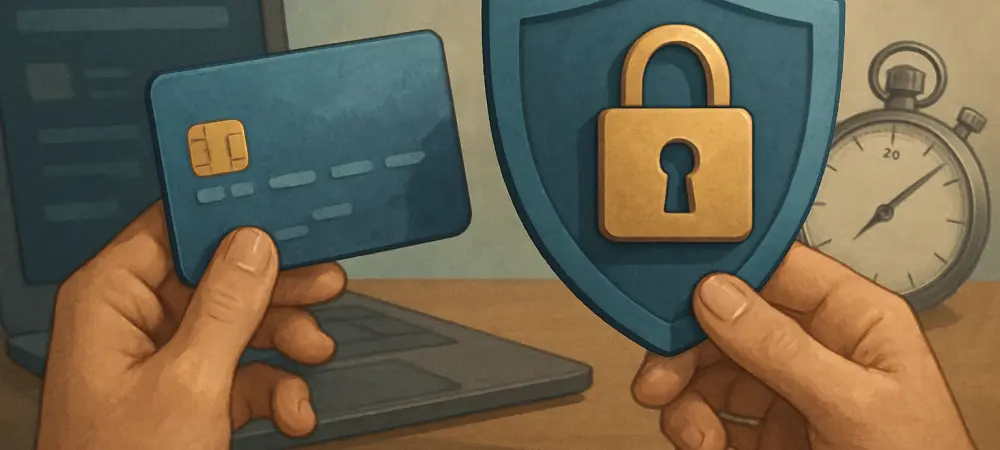
What happens when the rush for lightning-fast transactions collides with a deep-seated need for safety? In today’s digital economy, where billions of payments are processed daily, a surprising truth has emerged: consumers value security far above speed when it comes to their money. This shift challenges the long-standing obsession with instant gratification in financial services and raises a critical question about what truly builds trust in payment systems.
This revelation is more than just a passing trend; it’s a fundamental pivot in how payment providers must operate. With cyber threats escalating and consumer expectations evolving, understanding this preference for protection over pace is essential for any institution aiming to retain loyalty. The stakes are high—trust, once broken, is hard to rebuild, and the data paints a clear picture of where priorities lie.
Unpacking the Hidden Tension in Every Transaction
At the heart of every digital payment lies a silent tug-of-war between speed and security. While the industry has long pushed for faster processing—think real-time transfers and one-click purchases—consumers are signaling a different focus. A comprehensive survey of over 1,000 European adults highlights that the fear of fraud or data breaches overshadows the desire for instantaneous results, prompting a reevaluation of what defines a successful transaction.
This tension isn’t just academic; it’s reshaping business strategies. Payment providers who have banked on speed as their primary selling point may find themselves out of step with customer needs. The balance has tipped toward safeguarding funds and personal information, suggesting that the future of payments hinges on trust as much as technology.
Why Security Matters More Than Ever in Payments
Digital transactions have become the backbone of modern life, from buying groceries to paying bills, but with this convenience comes heightened risk. Cyberattacks and data leaks dominate news cycles, leaving consumers on edge about the safety of their financial interactions. The reality is stark: a single breach can wipe out years of goodwill, making security the cornerstone of confidence in any payment platform.
This anxiety isn’t unfounded. With fraud attempts becoming more sophisticated, the demand for robust protection mechanisms has surged. Payment providers are now under pressure to not only innovate but also reassure users that their money is safe, even if it means adding an extra step or two to the process. The message is clear—safety isn’t negotiable.
The implications extend beyond individual transactions to the broader ecosystem. As more people rely on digital wallets and online banking, the collective expectation for ironclad security grows. Providers who fail to address this concern risk losing not just customers but also their standing in an increasingly competitive market.
Breaking Down Consumer Priorities: Security, Resilience, and Transparency
When it comes to choosing a payment provider, consumers have a well-defined hierarchy of needs, and speed isn’t at the top. A striking 66% of respondents in a recent study emphasized a preference for a balance between quick transactions and strong security, with many accepting minor delays for added verification. Over half view these checks as a comforting necessity rather than a hindrance, showcasing a willingness to prioritize peace of mind.
Reliability also plays a pivotal role in shaping trust. An overwhelming 80% of surveyed individuals indicated they would abandon a provider after repeated outages, revealing a near-zero tolerance for service disruptions. More than half expect downtime to be less than one hour annually—or nonexistent—setting an incredibly high standard for operational consistency that providers must strive to meet.
Transparency rounds out the trio of critical concerns, with 90% of consumers craving clarity on how their funds and data are protected. This demand for open communication presents a golden opportunity for companies to stand out by demystifying their security practices. Meanwhile, speed, though still relevant, lags behind factors like reputation and ease of use, proving that a holistic experience drives loyalty more than mere efficiency.
Voices from the Industry and the Data
Industry leaders are taking note of this seismic shift in consumer sentiment. Joel Winteregg, CEO of a leading transaction intelligence firm, pointed out, “Payments have evolved beyond just speed. Consumers now expect seamless experiences underpinned by rock-solid security, resilience, and transparency.” His observation aligns with hard data showing that fewer than 1% of respondents resist visible safety measures, reflecting near-universal support for protective protocols.
This consensus isn’t just a statistic; it’s a wake-up call. Winteregg further cautioned that incidents like outages or false declines don’t just cost money—they erode trust, a currency far harder to recover. His perspective underscores the urgency for payment providers to pivot their focus toward building confidence rather than chasing quicker turnarounds.
Real-world implications are already visible. Companies that have experienced public breaches or downtime often face swift customer backlash, while those investing in visible security measures see improved retention. These trends reinforce the notion that trust, once prioritized, can become a powerful differentiator in a crowded field.
Actionable Strategies for Payment Providers to Build Trust
To align with consumer priorities, payment providers must weave security seamlessly into the user experience. Designing verification steps that are intuitive and purposeful can transform potential delays into moments of reassurance. Clear communication about the role of these measures can further enhance user confidence, turning a necessary precaution into a valued feature.
Reliability demands equal attention, with a goal of near-zero downtime becoming the benchmark. Investing in robust infrastructure and proactive vulnerability management is essential to meet the expectation of minimal outages—think minutes, not hours, per year. Setting internal targets that exceed consumer demands can position a provider as a leader in operational excellence.
Transparency, too, offers a competitive edge. By crafting accessible explanations of security protocols and sharing them across customer touchpoints like apps or support channels, companies can build trust through openness. Simultaneously, while speed remains a factor, it should be balanced with cost-effectiveness, reputation, and usability to create a well-rounded service that resonates with users at every level.
Reflecting on this shift, it became evident that the payment landscape had undergone a profound transformation. Consumers had spoken, placing security, reliability, and clarity above the allure of instant transactions. For payment providers, the path forward was clear: invest in trust-building measures that addressed these core concerns. Looking ahead, the challenge remained to innovate without compromising safety, ensuring that every transaction not only met but exceeded expectations in a world where confidence was the ultimate currency.