

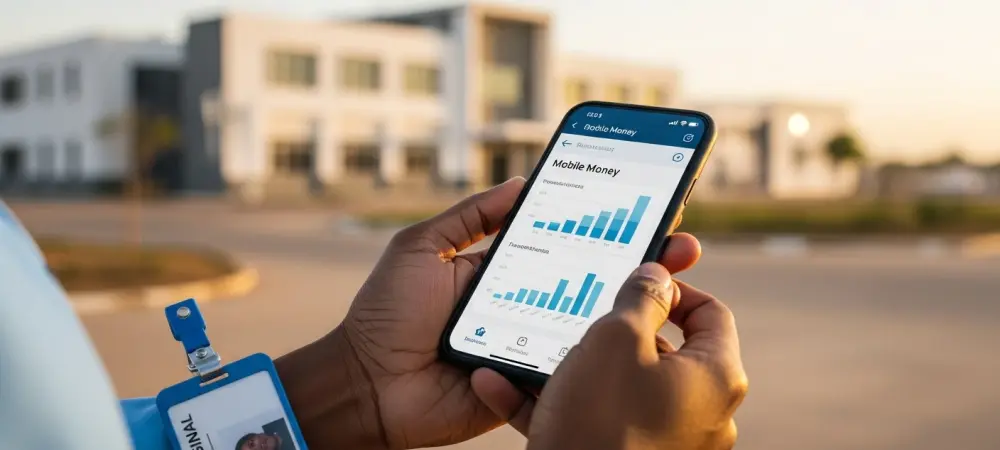
Delivering critical healthcare services to the most remote corners of Mozambique often requires a massive workforce of dedicated frontline professionals who frequently face significant delays in receiving their hard-earned compensation due to the logistical complexities of physical cash distribution. For many years, the reliance on manual payment systems created a significant bottleneck that hindered the efficiency of public health campaigns, ranging from routine immunizations to large-scale epidemic responses. By implementing a sophisticated digital payment architecture, the World Health Organization is now addressing these long-standing systemic vulnerabilities. This transition from paper-based registries to automated electronic transfers represents a fundamental shift in how the international health community supports national ministries. The move ensures that every community health agent, regardless of their geographic location, receives their stipends and salaries with unprecedented speed. Furthermore, this initiative reduces the physical risks associated with transporting large sums of currency through challenging terrain, where security concerns can jeopardize the success of the mission. By leveraging the ubiquity of mobile technology, the program fosters a resilient infrastructure capable of withstanding the pressures of health crises without compromising the financial stability of the workforce.
Implementation: Enhancing Transparency and Systemic Efficiency
The technical framework underpinning this digital revolution relies on the integration of mobile money platforms that have already established a broad footprint across the African continent. In collaboration with local telecommunications providers such as Vodacom and Movitel, the project utilizes established services like M-Pesa and e-Mola to facilitate direct deposits into the personal accounts of health workers. This approach eliminates the need for middle-tier intermediaries who previously handled cash, thereby shortening the financial supply chain significantly. Each participant is registered within a verified digital database that cross-references their national identification with their unique mobile phone number to prevent duplicate payments or ghost workers. The system also features automated SMS notifications that alert recipients the moment their funds are available, providing a level of transparency that was previously impossible under the old manual system. This modernization not only speeds up the disbursement process but also helps in creating a reliable audit trail that enhances the financial integrity of global health programs. By formalizing these transactions, the initiative also promotes broader financial inclusion, as many workers are now gaining access to formal banking tools and digital savings accounts for the very first time.
Beyond the immediate speed of transactions, the implementation of digital payment systems offers a robust solution to the persistent challenges of financial leakages and accounting errors. By utilizing end-to-end encryption and secure authentication protocols, the World Health Organization ensures that funds are tracked from the point of origin to the final recipient without the risk of unauthorized diversion. This level of oversight is particularly critical during rapid-response operations where thousands of temporary staff are hired simultaneously to combat localized outbreaks. Data analytics tools integrated into the platform allow administrators to monitor payment status in real-time, identifying and resolving discrepancies before they escalate into larger administrative hurdles. Moreover, the shift to digital records facilitates more accurate reporting to international donors, who demand high levels of accountability and proof of impact for their investments. As these digital ecosystems mature, they provide a blueprint for other government sectors to follow, potentially leading to a broader transformation of public service delivery throughout the entire southern African region. By reducing the opportunity for corruption and administrative mismanagement, the digital transition builds a foundation of trust between the government, international partners, and the essential workers on the ground.
The human element remained at the core of this technological transition, as the reliability of payment directly influenced the motivation and retention rates of the essential health workforce. When frontline workers were confident that they would be compensated fairly and on time, they were far more likely to remain committed to their demanding roles in rural clinics and community outreach centers. This psychological security was vital for maintaining the continuity of care, especially in areas where the ratio of healthcare providers to patients was already critically low. By reducing the administrative burden on health workers, who no longer needed to travel long distances to district offices to collect their pay, the digital system allowed them to spend more time on actual patient consultations and disease prevention activities. This increase in productive hours contributed directly to improved health outcomes, such as higher vaccination coverage and faster detection of infectious diseases. The integration of financial services acted as a catalyst for professionalizing the sector and elevating the status of workers within their own local societies. Authorities prioritized the strengthening of network coverage in underserved regions to ensure that no worker was left behind. The lessons learned from this large-scale implementation provided actionable insights for neighboring countries seeking to modernize their own public health logistics.