

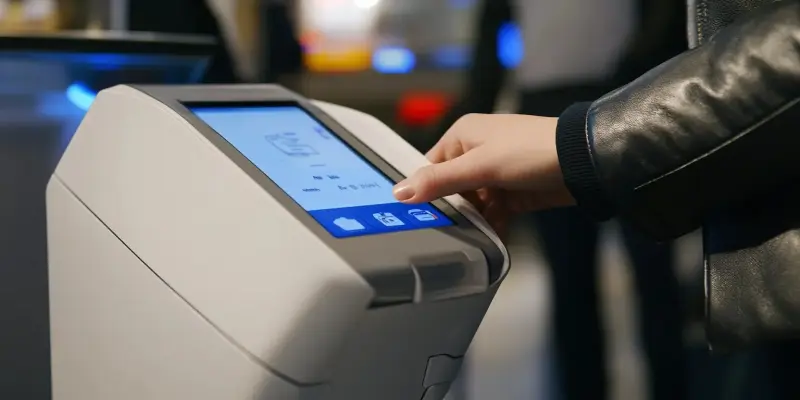
The global mobile payment market has experienced a significant surge in recent years, marked by an impressive compound annual growth rate (CAGR) of 16.4%. This rapid expansion is evident in how the market size is projected to grow from USD 2.66 trillion within the year to USD 10.47 trillion by 2033. Various factors are driving this unprecedented growth, including increased smartphone penetration, supportive government policies, technological advancements, and a notable shift in consumer behavior towards digital transactions. These elements have collectively transformed the mobile payment landscape, making it an integral part of the global economy.
Technological Advancements and Innovations
One of the principal factors propelling the growth of the mobile payment market is technological advancement. The development and integration of near-field communication (NFC) technology, biometric authentication, and blockchain have revolutionized how consumers carry out transactions. NFC technology has allowed for contactless payments, making transactions quicker and more secure. Biometric authentication, including fingerprint and facial recognition, adds a layer of security, making users more comfortable in adopting mobile payments. Blockchain technology, known for its security features, has paved the way for secure and transparent transactions, further enhancing consumer trust.
Furthermore, the rise of super apps, particularly in Asia Pacific, has played a crucial role in the mobile payment surge. Companies such as Alipay and WeChat in China offer a variety of services, including payments, loans, and investments, all within a single platform. These super apps provide convenience and have led to high user engagement. Additionally, the integration of artificial intelligence (AI) and machine learning has enabled personalized user experiences, fraud detection, and efficient customer service, all contributing to higher adoption rates of mobile payment solutions.
Government Policies and Consumer Preferences
Governments worldwide have been keen on promoting cashless economies, recognizing the benefits of digital payments in increasing financial inclusion and reducing corruption. Supportive policies, such as subsidies for point-of-sale (POS) machines and incentives for digital transactions, have encouraged both merchants and consumers to embrace mobile payments. In countries like India, the government has launched initiatives like Digital India to promote digital transactions, significantly boosting the adoption of mobile payments. Similarly, many European nations have adopted policies to limit cash transactions, thereby encouraging the use of mobile payments.
Consumer preferences have also shifted dramatically towards digital and contactless transactions, a trend accelerated by the global pandemic. The convenience of making payments from a smartphone without the need for physical cash or credit cards has been a major driving force. Contactless payments have become the norm, as consumers prioritize safety and hygiene. The younger generation, in particular, prefers the speed and efficiency of digital transactions, contributing to the rise in mobile payment adoption. This shift is evident across various regions, with the Asia Pacific leading the charge due to its high smartphone usage and innovative payment technologies.
Strategic Partnerships and Market Movements
Strategic partnerships and collaborations among key market players have been instrumental in the growth of the mobile payment market. Companies such as Visa, PayPal Holdings, and Nu Holdings have formed alliances with financial institutions, technology firms, and retailers to expand their reach and offerings. These partnerships enable the development of innovative payment solutions and provide consumers with a seamless transaction experience. For instance, Visa’s collaboration with various banks has allowed for the integration of mobile payment solutions into banking apps, making it easier for consumers to make digital transactions.
Market movements, including mergers and acquisitions, have also played a significant role. Companies are constantly on the lookout for opportunities to acquire technologies and expertise that can enhance their mobile payment offerings. This competitive landscape has driven continuous innovation, as firms strive to offer the best services to attract and retain customers. Additionally, the emergence of FinTech startups has brought fresh perspectives and cutting-edge technologies to the market, further fueling its growth. The presence of companies like SoFi Technologies and Ping An Bank highlights the dynamic nature of the mobile payment industry and its potential for further expansion.
Regional Insights and Future Outlook
The global mobile payment market has seen a remarkable surge over recent years, boasting an impressive compound annual growth rate (CAGR) of 16.4%. This rapid expansion is highlighted by the projection that the market size will soar from USD 2.66 trillion within the year to USD 10.47 trillion by 2033. Several key factors are fueling this unprecedented growth, including the widespread use of smartphones, favorable government policies, technological breakthroughs, and a marked shift in consumer preferences towards digital transactions. These factors have collectively revolutionized the mobile payment landscape, establishing it as a crucial component of the global economy. Moreover, the ease and convenience of mobile payments have attracted numerous users, encouraging businesses to adopt these methods to cater to consumer demand. As a result, the mobile payment industry has become indispensable, driving financial inclusivity and fostering economic growth worldwide.