

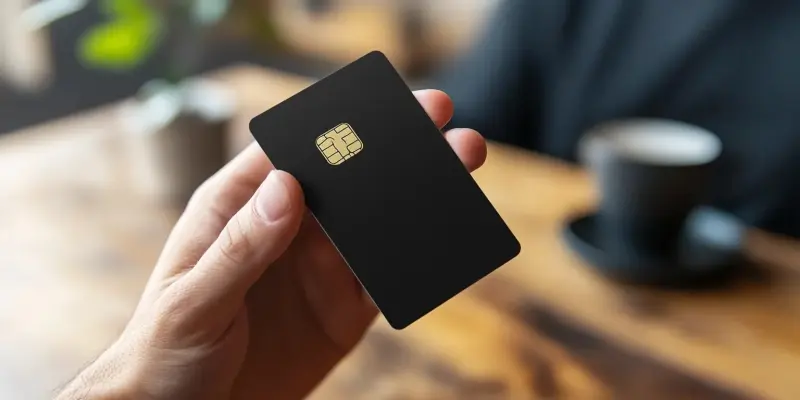
Visa, a global leader in digital payments, has introduced an innovative Tap-to-Add Card feature in Egypt, aiming to streamline and enhance the digital wallet payment process. This groundbreaking technology is geared to increase digital wallet adoption by simplifying how users can add their contactless cards to their mobile devices. The need for manual data entry, which often leads to errors and security concerns, has been eliminated, allowing cardholders to seamlessly add their Visa contactless cards simply by tapping them on their mobile devices. This not only accelerates the process but significantly reduces the risks associated with manual input.
The underlying technology behind this feature is Visa’s Chip Authenticate service, which employs a unique one-time code to validate the card’s provisioning. By using this advanced service, card credentials are securely added to the digital wallet, ensuring a more secure and efficient alternative to traditional methods. Financial institutions and issuers benefit from this technology as it mitigates the risks of provisioning fraud and lowers costs associated with errors in manual card entry. Consequently, the overall user experience is enhanced, leading to a decrease in customer service inquiries and an increase in user satisfaction.
Enhancing Security and Efficiency
Visa’s Tap-to-Add Card feature has already gained significant traction globally, demonstrating its effectiveness and utility in digital wallet integration. The introduction of this technology in Egypt aligns with Visa’s broader strategy to advance digital payments on a global scale, with a particular focus on emerging markets. Malak El Baba, Visa’s Egypt country manager and vice president, has emphasized the company’s steadfast commitment to offering innovative solutions that cater to consumer needs and bolster Egypt’s digital transformation objectives.
This feature does more than just simplify the addition of contactless cards to digital wallets; it represents a substantial step toward empowering individuals and businesses with technology that offers both speed and unparalleled security. By contributing to Egypt’s vision of becoming a cashless, technology-driven society, Visa underscores its dedication to fostering a secure and efficient digital payment environment. The seamless experience provided by the Tap-to-Add Card feature reinforces Visa’s status as a key player in driving global digital innovation and transformation.
Commitment to a Cashless Society
Tap-to-Add Card is not just a technological feature; it reflects Visa’s strategic vision of supporting the evolution of cashless societies through innovative and secure payment solutions. For Egyptian consumers, this means a more convenient and secure method to integrate their cards into digital wallets, making everyday transactions smoother and safer. For businesses, it translates to fewer manual entry errors, reduced costs, and an enhanced customer experience. The successful implementation of this feature in Egypt is a testament to Visa’s ongoing commitment to adapting to and advancing global digital payment landscapes.
Visa’s ambitious initiative is a clear indication of their intention to lead in the ever-evolving digital payment ecosystem. Their focus on providing secure, efficient, and user-friendly solutions bridges the gap between traditional payment methods and cutting-edge technology. As the adoption of digital wallets continues to rise, Visa’s innovative approach aims to set new standards for the payment industry, ensuring that consumers and businesses alike can benefit from the latest advancements in payment technology.