

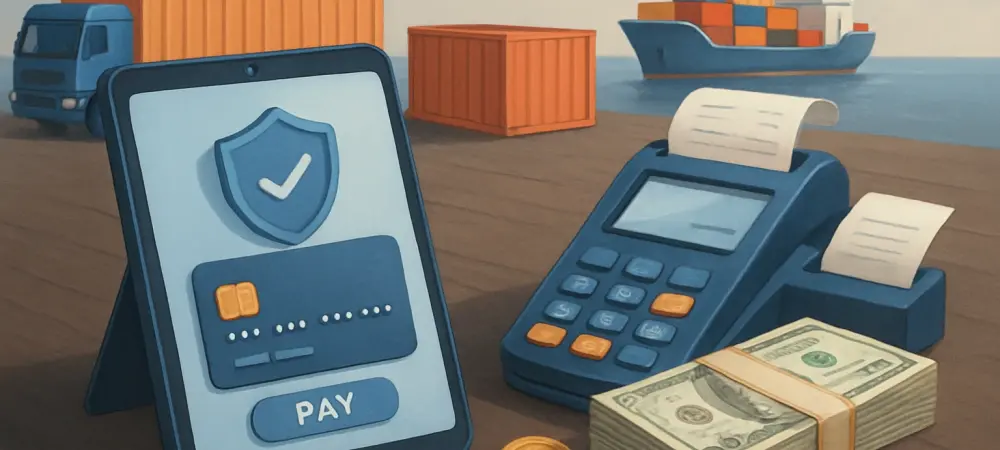
Could a single digital platform finally solve the freight industry’s persistent cash flow woes, and could it be the game-changer that logistics has been waiting for in an era of rapid global trade? Visa and Transcard have joined forces to launch an embedded finance solution that promises to redefine how freight forwarders and airlines manage payments. Integrated with WebCargo by Freightos, this innovative tool harnesses artificial intelligence (AI) and virtual card technology to streamline transactions and enhance operational efficiency. Announced from San Francisco, this collaboration signals a bold step toward modernizing a sector long burdened by outdated financial systems, sparking curiosity about its potential to transform logistics on a global scale.
The Stakes in Freight Finance
At the heart of this development lies a critical challenge: the freight and logistics industry has been plagued by inefficiencies that hinder growth. Cash flow bottlenecks, delayed payments, and cumbersome manual processes have left businesses struggling to keep pace with soaring trade volumes. This platform emerges as a vital response, offering a tech-driven lifeline to an industry in desperate need of digital transformation. By embedding financial services directly into operational workflows, the partnership addresses these pain points with precision, setting a new standard for how money moves in logistics.
The significance of this initiative extends beyond mere convenience. With global trade expected to grow steadily from 2025 to 2027, the demand for seamless payment solutions has reached a tipping point. Freight forwarders and airlines, often caught in cycles of financial strain, now have access to a tool that could redefine their ability to scale and compete. This collaboration isn’t just about solving today’s problems—it’s about building a foundation for tomorrow’s trade ecosystem.
A Deep Dive into Cutting-Edge Features
The Visa-Transcard platform stands out with a suite of features tailored specifically for the freight sector. Built on Visa’s robust virtual card infrastructure, it provides flexible credit terms that alleviate immediate cash flow pressures for businesses. Simplified onboarding processes ensure that companies can adopt the system swiftly, minimizing downtime and administrative hurdles. Automated reconciliation, particularly for air cargo transactions via WebCargo, further enhances efficiency by reducing manual errors and saving valuable time.
What truly sets this platform apart is its integration of AI through Transcard’s intelligent payment orchestration. This technology offers advanced cash flow management tools, enabling businesses to forecast and optimize their financial operations with unprecedented accuracy. Visa Intelligent Commerce adds another layer of reliability by enforcing secure transaction standards, ensuring trust in every payment. Meanwhile, Freightos’ own momentum—evidenced by a 27% year-over-year transaction increase to 429,000 in the third quarter and a 54% surge in gross booking value to $336 million—demonstrates the platform’s potential to thrive within an already dynamic digital booking environment.
Voices from the Industry
Industry leaders have expressed strong confidence in the transformative power of this collaboration. Darren Parslow, Global Head of Visa Commercial Solutions, noted, “This partnership exemplifies a commitment to advancing the freight sector by leveraging technology to empower businesses with efficiency and confidence in a fast-evolving global market.” His words underscore the strategic importance of digital tools in addressing long-standing challenges within logistics.
Greg Bloh, CEO of Transcard, highlighted the platform’s innovative edge, stating, “The intelligent payment orchestration with agentic AI functionality represents a leap forward in how payments are managed.” This perspective emphasizes the role of cutting-edge technology in driving operational improvements. Zvi Schreiber, CEO of Freightos, added a broader vision, saying, “International trade should be as simple as booking a flight or taxi online.” Combined with Freightos’ strategic alliances, such as those with Nippon Express and Garuda Indonesia Cargo, these insights paint a picture of a unified push toward seamless connectivity across the industry.
Empowering Businesses for the Future
For freight forwarders and airlines, adopting this platform offers a clear path to growth and competitiveness. The integration process through WebCargo’s digital booking system is straightforward, allowing companies to set up virtual card payments with minimal friction. This ease of access means businesses can quickly shift focus from paperwork to strategic priorities, enhancing their operational agility in a crowded market.
Beyond setup, the platform’s flexible credit terms provide a financial cushion, enabling reinvestment into critical areas like fleet expansion or technology upgrades. Companies can manage working capital more effectively, ensuring they’re not held back by payment delays. Additionally, AI-driven automation tools for reconciliation and forecasting free up resources, allowing teams to concentrate on customer service and innovation rather than tedious back-office tasks. Embracing this solution positions businesses at the forefront of the freight industry’s digital revolution.
Reflecting on a Milestone in Logistics
Looking back, the launch of the Visa-Transcard embedded finance platform marked a pivotal moment for the freight and logistics sector. It tackled entrenched issues like cash flow constraints and operational inefficiencies with a blend of virtual card technology and AI, setting a precedent for how financial services could be seamlessly integrated into industry workflows. The collaboration with Freightos’ WebCargo amplified its reach, ensuring that real-world impact was felt across diverse markets.
As the industry moved forward, the next steps became clear: businesses needed to actively explore and adopt such platforms to stay competitive. Stakeholders were encouraged to assess how these tools could fit into their unique operations, seeking partnerships and training to maximize benefits. The path ahead also pointed toward continued innovation, with potential expansions of AI capabilities and broader integrations promising to further simplify global trade. This milestone served as a reminder that embracing digital solutions was no longer optional but essential for sustained success.