

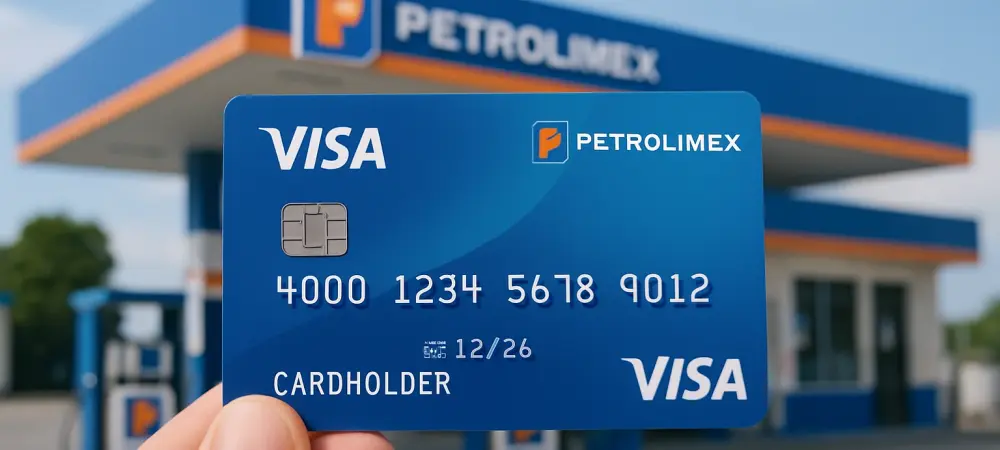
Pioneering a Cashless Revolution in Fuel Payments
Imagine a bustling petrol station in Hanoi, where drivers no longer fumble for cash or wait for change, but instead tap a card and drive off in seconds, transforming the payment experience. This scenario is rapidly becoming a reality in Vietnam, as Visa and Vietnam National Petroleum Group (Petrolimex) roll out their transformative co-branded card program. This market analysis delves into the implications of this partnership, exploring how it reshapes payment behaviors in the fuel retail sector and accelerates Vietnam’s journey toward a cashless economy.
The collaboration between a global payments leader and the country’s largest fuel retailer is not merely a product launch; it represents a strategic pivot in an industry traditionally reliant on cash transactions. With Vietnam’s digital payment adoption gaining momentum, this initiative offers critical insights into consumer trends, business efficiencies, and the broader economic landscape. The purpose of this analysis is to unpack the market dynamics driving this shift and evaluate its potential to redefine financial interactions at the pump.
Understanding the significance of this program requires a closer look at Vietnam’s evolving financial ecosystem, where urbanization and smartphone penetration are fueling demand for seamless payment solutions. This examination will provide stakeholders—ranging from consumers to corporate fleet managers—with a comprehensive view of current trends and future projections, highlighting why this partnership could be a cornerstone of digital transformation in the region.
Market Dynamics and Strategic Insights
Fueling Digital Adoption: Current Trends in Vietnam’s Payment Landscape
Vietnam’s payment sector is undergoing a profound transformation, with digital transactions steadily replacing cash, especially in urban centers. Government policies advocating for a cashless society, coupled with a young, tech-savvy population, have created fertile ground for innovations like the Petrolimex-Visa co-branded card program. This initiative, which builds on a prior successful rollout of contactless payments at Petrolimex stations, taps into a growing consumer preference for speed and security over traditional payment methods. Data indicates that card-based payments in Vietnam have seen significant uptake over the past few years, with urban consumers increasingly favoring debit and credit cards for everyday purchases. The fuel retail sector, a daily touchpoint for millions, presents a unique opportunity to normalize digital payments across diverse demographics. By introducing four distinct card types—Personal Credit, Personal Debit, Corporate Credit, and Corporate Debit—Visa and Petrolimex cater to a wide spectrum of needs, positioning themselves as leaders in this market shift.
Beyond consumer behavior, the partnership reflects a strategic alignment with national economic goals. Financial inclusion remains a priority, particularly in rural areas where cash still dominates. The co-branded card program addresses this gap by offering accessible tools that integrate seamlessly into everyday transactions, potentially setting a benchmark for other industries like retail or transportation to emulate.
Business Impacts: Streamlining Operations and Cost Management
From a business perspective, the corporate card offerings within this program stand out as a critical tool for fleet management and expense tracking. Companies operating large vehicle fleets often grapple with inefficiencies tied to cash-based fuel payments, including risks of fraud and lack of transparency. The digital tracking capabilities embedded in these corporate cards provide real-time data, enabling tighter control over expenditures and reducing operational headaches.
Market analysis suggests that businesses adopting these cards could see measurable improvements in financial oversight within the first year of implementation. For industries such as logistics and delivery services, where fuel costs form a significant portion of operating budgets, this translates into a competitive edge. However, challenges remain, including the need for staff training and integration with existing accounting systems, which could slow adoption among smaller enterprises.
A broader implication lies in how this program influences business attitudes toward digital solutions. As more companies witness the tangible benefits of streamlined payments, there could be a ripple effect, encouraging investment in other digital tools. This trend aligns with Vietnam’s push for economic modernization, where operational efficiency is increasingly tied to technological adoption across sectors.
Consumer Behavior: Shifting Toward Convenience and Rewards
On the consumer front, the co-branded cards promise a frictionless experience at petrol stations, a significant draw for busy individuals. The inclusion of loyalty rewards, extending beyond fuel purchases, adds an incentive for adoption, tapping into a market trend where value-added benefits drive payment preferences. This positions the program as not just a payment method, but a lifestyle enhancement for frequent drivers.
Demographic analysis reveals that younger consumers, particularly millennials and Gen Z, are likely to embrace these cards more readily due to their familiarity with digital payments. In contrast, older demographics or those in less connected regions may require targeted education campaigns to overcome hesitancy. Addressing these disparities will be crucial for ensuring equitable market penetration and maximizing the program’s impact on overall cashless adoption rates.
The potential for market growth here is substantial, as fuel transactions represent a high-frequency interaction point for most households. If Visa and Petrolimex can leverage this touchpoint to build trust in digital payments, they could influence consumer behavior in adjacent sectors, such as grocery shopping or utility payments, creating a broader cultural shift toward cashless habits.
Future Projections: Scaling Digital Payments in Fuel Retail
Looking ahead, projections for Vietnam’s fuel retail payment landscape are optimistic, with digital transactions expected to capture a significant market share by 2027. The Petrolimex-Visa partnership is poised to lead this charge, potentially expanding card acceptance to smaller, independent fuel stations as the program scales. Emerging technologies, such as mobile app integration for real-time expense tracking, could further enhance user engagement over the next few years.
Economic factors, including fluctuating fuel prices and regulatory support for digital transactions, are likely to accelerate adoption. Analysts anticipate that within a short span, rural markets could see infrastructure improvements—such as increased card reader availability—driven by the success of urban rollouts. This would address current regional disparities, ensuring the benefits of digital payments reach a wider audience.
Speculative insights also point to synergies with sustainable trends, such as electric vehicle charging networks. As Vietnam transitions toward greener energy solutions, digital payment systems like these co-branded cards could play a pivotal role in facilitating transactions at charging stations. Staying agile in response to such shifts will be essential for maintaining market relevance and driving long-term growth in this sector.
Reflecting on Market Shifts and Strategic Pathways
The analysis of the Petrolimex-Visa co-branded card program reveals a transformative moment in Vietnam’s fuel retail market, where digital payments gain substantial ground. It highlights how strategic partnerships between industry leaders catalyze broader economic trends, bridging gaps in financial inclusion and operational efficiency. The dual focus on consumer convenience and business optimization emerges as a powerful driver of market change.
For stakeholders, the next steps involve actionable strategies to capitalize on these insights. Businesses are encouraged to integrate corporate cards into their financial workflows, prioritizing training and system upgrades to unlock full benefits. Consumers, meanwhile, have the opportunity to explore loyalty programs tied to these cards, enhancing their everyday transactions with added value.
Looking beyond immediate impacts, the partnership sets a precedent for cross-industry collaboration, suggesting that similar initiatives could reshape other sectors. Exploring tie-ins with emerging technologies, such as biometric security or app-based payment ecosystems, offers a pathway to sustain momentum. Ultimately, this program lays a foundation for a more connected financial landscape, urging all market players to adapt and innovate in step with Vietnam’s digital evolution.