

Setting the Stage for a Payment Revolution
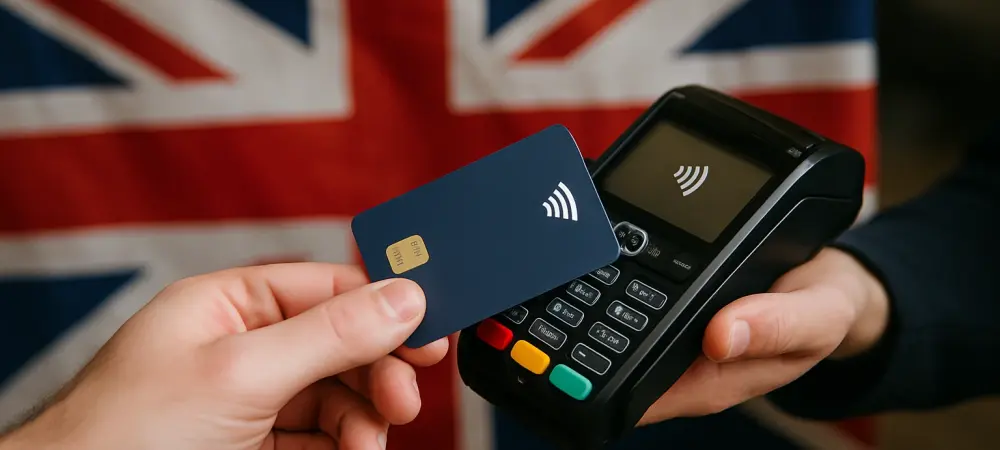
Imagine a world where swiping a card or tapping a device at checkout knows no limits, where transactions of any amount flow without the interruption of a PIN or cap. This scenario is quickly becoming a reality in the UK, as the Financial Conduct Authority (FCA) drives a groundbreaking policy to eliminate contactless payment caps. With the current limit at £100 ($136), the proposed removal of both transaction ceilings and PIN requirements marks a pivotal moment for the payment industry. This market analysis delves into the implications of this shift, exploring how it could reshape consumer behavior, retailer strategies, and economic growth while addressing the critical balance between convenience and security. The stakes are high, as this change could redefine the cashless landscape not just in the UK, but globally.
Market Trends and Data Driving the Contactless Surge
Rapid Adoption of Digital Payments
The UK payment market has witnessed a seismic shift toward contactless methods over recent years, with data from UK Finance indicating that over 60% of card transactions are now contactless. This trend, fueled by consumer demand for speed and ease, has been further accelerated by societal changes, including heightened hygiene awareness post-pandemic. Retail sectors, particularly hospitality and grocery, have seen the highest adoption rates, as businesses upgrade terminals to meet customer expectations. The current £100 cap, while practical for small purchases, often slows down larger transactions, creating friction that the FCA aims to eliminate. As digital wallets like Apple Pay and Google Pay continue to gain traction—offering limitless transactions with biometric security—the pressure mounts on traditional contactless cards to evolve.
Economic Context and Spending Potential
Beyond consumer preference, the economic backdrop plays a crucial role in this policy shift. With inflation pressures lingering, stimulating consumer spending remains a priority for policymakers under Prime Minister Keir Starmer’s growth agenda. Removing contactless caps could unlock higher-value purchases without the barrier of PIN entry, potentially boosting retail sales. Projections suggest a possible 5-10% uptick in transaction volumes in key sectors like electronics and fashion, where average ticket sizes often exceed the current limit. However, this optimism is tempered by uncertainty around whether increased convenience will translate to sustained economic impact or merely shift existing spending patterns without net growth.
Technological Advancements Shaping the Market
Technology underpins this market evolution, with payment systems racing to integrate advanced features. Contactless cards, unlike digital wallets, currently lack inherent security layers such as facial recognition, but innovations like real-time fraud detection powered by artificial intelligence are emerging as game-changers. Card issuers are also exploring personalized spending limits, allowing consumers to tailor protections to their comfort levels. As these tools mature, the market could see a convergence of convenience and safety, potentially positioning the UK as a leader in payment innovation. The trajectory from 2025 to 2027 will likely witness accelerated adoption of such technologies, driven by regulatory encouragement and competitive pressures among fintech players.
Future Projections: Opportunities and Challenges
Growth Opportunities for Retail and Fintech Sectors
Looking ahead, the removal of contactless caps presents significant opportunities for market expansion. Retailers stand to benefit from streamlined checkouts, especially during peak shopping periods, reducing queue times and enhancing customer satisfaction. Fintech companies, meanwhile, could see increased demand for integrated payment solutions that blend contactless cards with app-based security features. Market analysts project that transaction values in the UK could rise by 8% annually through 2027 if caps are lifted, provided fraud concerns are adequately addressed. This growth potential hinges on collaboration between regulators, banks, and merchants to ensure infrastructure readiness for higher transaction volumes.
Security Risks as a Market Constraint
Despite the promise of growth, security remains a critical barrier to market confidence. Contactless cards are inherently more vulnerable to theft and fraud compared to phone-based payments, as evidenced by incidents like the temporary suspension of contactless transactions at a major US retailer due to stolen card misuse. Without mandatory PINs or caps, the risk of unauthorized spending escalates, potentially undermining consumer trust. The FCA’s commitment to holding card issuers liable for fraud offers some reassurance, but the market must prioritize robust safeguards—such as dynamic transaction authentication—to prevent systemic vulnerabilities. Failure to address these risks could stall adoption among cautious demographics.
Stakeholder Dynamics and Market Sentiment
The payment market’s response to this policy is far from uniform, reflecting a complex interplay of stakeholder interests. Retail associations and fintech innovators largely champion the FCA’s proposal, viewing it as a catalyst for modernizing transactions in line with global cashless trends. Conversely, some banking institutions and consumer advocacy groups express reservations, highlighting the disparity in security between contactless cards and digital wallets. Market sentiment suggests cautious optimism, with many players advocating for a phased rollout of unlimited transactions accompanied by enhanced fraud prevention measures. Bridging these perspectives will be essential to ensure the market adapts cohesively to regulatory changes.
Reflecting on the Path Forward
Looking back, the analysis of the UK’s move to eliminate contactless payment caps reveals a market at a crossroads, balancing the allure of frictionless transactions with the imperative of security. The surge in contactless adoption, coupled with economic motivations, underscores the potential for significant growth in transaction volumes and retail activity. Yet, persistent concerns over fraud and stakeholder divergence highlight the complexities of this transition. For businesses, the next steps involve investing in updated payment systems and fraud detection tools to capitalize on emerging opportunities. Consumers are advised to leverage personalized limits and monitor accounts closely to mitigate risks. Ultimately, the journey toward a limitless payment landscape demands strategic collaboration across the market, ensuring that innovation does not outpace the protections needed to sustain trust and stability.