

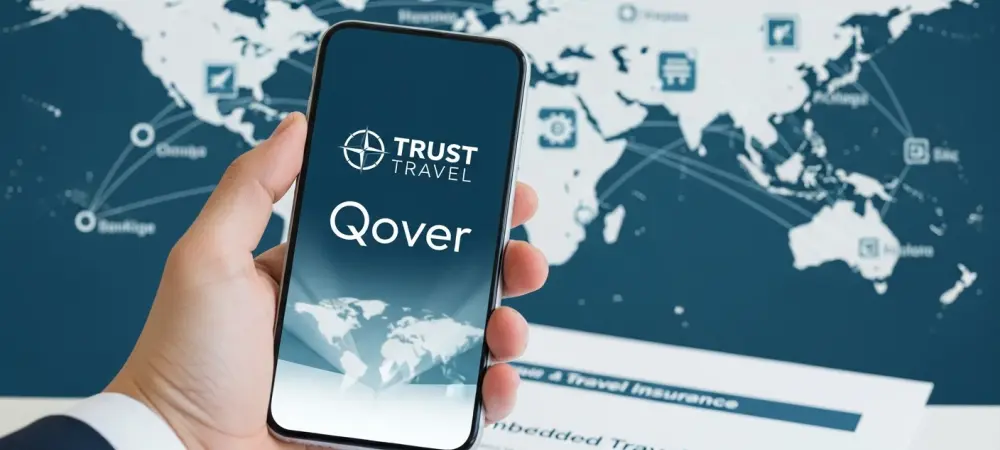
The modern traveler no longer accepts the tedious chore of navigating fragmented websites and dense legal jargon just to secure basic protection before a flight departs. In a world where digital immediacy is the standard, the traditional friction of selecting travel insurance has shifted from a necessary evil to a significant barrier for consumer satisfaction. This is why the strategic partnership between Trust Travel, a key brand under TUI Belgium, and the insurtech orchestrator Qover represents a fundamental pivot in how the industry handles risk and reliability.
Transforming the Friction Points of Travel Protection
By embedding insurance directly into the purchase flow, this collaboration removes the cognitive load of a “second-step” decision-making process. Travelers are often overwhelmed by the sheer volume of choices when insurance is presented as an isolated product, leading many to forgo coverage entirely. This partnership streamlines that experience by integrating protection as a native feature of the booking journey, ensuring that the right policy is visible at the right moment.
The transition toward this model reflects a broader movement within the travel sector to prioritize user experience over administrative convenience. Instead of forcing a traveler to reconcile a third-party policy with their itinerary, the system aligns the two automatically. This integration significantly reduces the time spent on data entry and verification, allowing the traveler to focus on their upcoming trip rather than the complexities of potential mishaps.
The Shift Toward Invisible and Embedded Security
The rise of invisible security is driven by a demand for protection that feels like a service rather than a sales pitch. Embedded insurance bridges the gap between low adoption rates and the essential need for coverage by placing relevant options exactly where they are needed most. This shift ensures that medical assistance, luggage protection, and cancellation coverage are no longer disjointed add-ons but are instead cohesive elements of a single digital transaction.
As the industry moves toward more integrated ecosystems, maintaining traveler trust requires more than just a wide range of products; it requires transparency and accessibility. By removing the traditional barriers to entry, Trust Travel and Qover provide a safety net that is both comprehensive and unobtrusive. This strategy not only protects the individual but also improves the operational efficiency of the provider by reducing manual intervention and streamlining the path to purchase.
Core Capabilities of the Trust Travel and Qover Integration
The technical backbone of this partnership relies on Qover’s orchestration platform, which centralizes every stage of the insurance lifecycle into a single, intuitive user interface. This digital-first environment provides travelers the flexibility to choose between temporary and annual policy structures, catering to both the spontaneous weekend explorer and the frequent business traveler. The infrastructure manages everything from the moment of policy issuance to the eventual submission of a claim, ensuring a consistent brand voice throughout.
By utilizing a unified platform, the administrative burden on the provider is drastically lowered while the clarity for the end user is maximized. Travelers can access their coverage details instantly, eliminating the need for physical paperwork or searching through disparate email threads. This level of automation ensures that the resolution process for any issue is backed by a reliable system designed for speed, reinforcing a sense of security that persists long after the initial booking is complete.
Expanding Opportunities for Independent Travel Agents
Beyond the direct-to-consumer benefits, this collaboration opens new commercial avenues for TUI Belgium’s retail shops and independent travel professionals. Agents can now offer Trust Travel’s insurance products for various trips, even those not booked through TUI. This fills a vital market gap where independent agents previously struggled to provide high-quality protection without navigating complex regulatory landscapes or holding specific licenses like the FSMA credential. This referral-based model allows independent professionals to enhance their service offerings while earning fees, all without the traditional legal and administrative hurdles. By providing a “plug-and-play” insurance solution, the partnership empowers these agents to act as trusted advisors who can guarantee client safety across any itinerary. This democratization of high-level insurance tools strengthens the entire travel network, ensuring that professional standards of protection are accessible regardless of the booking source.
Designing a Scalable Digital Journey for Modern Explorers
The implementation of this partnership utilized a robust and scalable infrastructure to meet the high-volume demands of a global market. By merging advanced digital technology with the core fundamentals of traditional insurance, Trust Travel and Qover established a framework that prioritized both transparency and speed. This approach ensured that whether a traveler dealt with a medical emergency abroad or a lost suitcase, the resolution was supported by an automated system that fostered long-term loyalty and peace of mind.
The industry moved toward a future where modularity and integration became the primary drivers of commercial success and customer satisfaction. Stakeholders recognized that the success of these digital ecosystems depended on the ability to adapt to changing traveler behaviors and regulatory environments. Moving forward, the focus remained on refining these automated workflows to handle even more complex global risks, ensuring that the travel experience remained uninterrupted and secure for every type of explorer.