

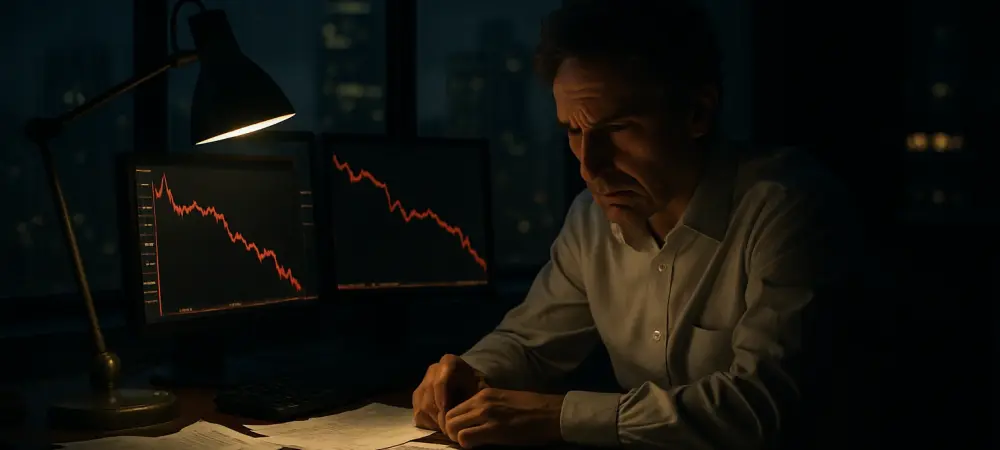
In a world where digital currencies promise stability amid chaos, a recent downgrade by S&P Global Ratings has cast a dark shadow over Tether’s USDT, the titan of stablecoins with a staggering $185 billion market cap. This downgrade, dropping USDT to a “5” rating—indicating weak stability—has sent ripples through the cryptocurrency market, raising urgent questions about whether the anchor of so many trades and transactions can weather the storm. As the dominant player holding a 71% share of the stablecoin market, far outpacing competitors like Circle’s USDC at $75 billion, Tether’s reliability is not just a company concern but a cornerstone issue for the entire crypto ecosystem. This analysis dives into the heart of the downgrade, unpacking the risky asset exposure, transparency deficits, expert warnings, and what lies ahead for this critical financial instrument, alongside actionable insights for stakeholders navigating these turbulent waters.
Understanding Tether’s Stability Challenges
S&P Downgrade and Market Dominance
The recent S&P Global Ratings downgrade of Tether’s USDT from a “4” (constrained stability) to a “5” (weak stability) has spotlighted vulnerabilities in the world’s leading stablecoin. This shift signals deepening concerns about USDT’s capacity to maintain its peg to the US dollar—a fundamental promise to investors. With a market cap of $185 billion and a commanding 71% slice of the stablecoin pie compared to USDC’s $75 billion, Tether’s position as a linchpin in crypto trading makes this assessment particularly alarming. The S&P report underscores that even as USDT remains a go-to for liquidity, evolving risks tied to its financial structure could unsettle market confidence if left unaddressed.
Beyond the numbers, this downgrade reflects a broader unease about systemic stability within digital assets. While Tether has historically held its peg under pressure, S&P’s analysis suggests that current conditions—ranging from asset composition to operational opacity—could challenge this resilience. As the backbone of countless transactions, from decentralized finance to everyday trades, any tremor in USDT’s foundation sends shockwaves far beyond its own ledger, affecting investors and platforms alike.
Risky Reserves and Structural Flaws
A deeper look into Tether’s reserves reveals a troubling reliance on high-risk assets, with 24% of its holdings tied to volatile investments like Bitcoin (5.6%), gold, secured loans, and corporate bonds. This allocation, up 7% year-over-year as of September 30, 2025, raises red flags about potential instability if market conditions sour. Bitcoin’s price swings, for instance, could erode collateral value, pushing Tether dangerously close to undercollateralization despite a slim 3.9% overcollateralization buffer. Such exposure leaves little room for error in a sector known for sharp volatility.
Compounding these asset concerns are structural weaknesses that amplify the risk profile. Limited transparency in reserve management means stakeholders often lack clear insight into how funds are safeguarded. Additionally, the absence of robust regulatory oversight, lack of asset segregation to protect against issuer insolvency, and restricted options for redeemability create a fragile framework. S&P’s critique points to these gaps as critical drivers behind the downgrade, suggesting that without reform, Tether’s operational model remains a gamble in uncertain times.
These intertwined issues of risky investments and inadequate safeguards paint a picture of a stablecoin at a crossroads. While market dominance offers a buffer, it cannot mask the underlying fragilities that could unravel trust if a crisis strikes. The question looms: can Tether shore up its defenses before volatility tests its limits?
Expert Insights on Tether’s Vulnerabilities
Turning to expert voices, S&P analysts have flagged Tether’s heavy exposure to volatile assets like Bitcoin as a ticking time bomb, especially since this allocation outstrips the 3.9% overcollateralization margin. Should Bitcoin’s value plummet, the risk of undercollateralization becomes real, threatening the dollar peg that underpins USDT’s appeal. This concern isn’t just theoretical; it’s a practical worry for a market where sudden downturns are all too common, and experts caution that Tether’s current buffer might not withstand a severe shock.
Moreover, industry watchers beyond S&P echo fears about operational opacity and insufficient protective measures. The lack of clear, public audits and inconsistent disclosure practices leave investors in the dark about the true state of reserves. Such uncertainty erodes confidence, not just in Tether but in the broader stablecoin concept, as market participants wonder whether other players harbor similar hidden risks. These expert critiques align with the downgrade’s rationale, painting a sobering view of potential domino effects on market sentiment.
Future Outlook for Tether and Stablecoins
Looking ahead, Tether faces a pivotal moment to restore trust through tangible reforms. Enhancing transparency around reserve management, dialing back on high-risk investments like Bitcoin, and embracing stricter regulatory frameworks could rebuild investor faith. Without these steps, the specter of instability looms large, especially given USDT’s systemic role in crypto markets. A shift toward safer asset allocations and clearer reporting might be the lifeline needed to secure its position.
On a wider scale, the implications for the stablecoin arena are profound. Stronger oversight could usher in a new era of reliability, benefiting users and platforms by minimizing systemic risks. However, if Tether stumbles—say, through a failure to maintain its peg—the fallout could disrupt trading, deflate confidence, and trigger cascading losses across the ecosystem. The balance between innovation and regulation remains a tightrope, particularly as global scrutiny of digital assets intensifies.
Scenario-wise, the path forward splits into stark contrasts. A positive outcome might see Tether and peers adopting rigorous standards, stabilizing the sector for long-term growth. Conversely, a negative turn—marked by unchecked risks leading to a peg collapse—could spark market upheaval, undermining years of progress in crypto adoption. Navigating this uncertainty demands vigilance from all corners as the industry evolves under pressure.
Key Takeaways and Next Steps
Reflecting on the journey, the S&P downgrade of Tether’s USDT to a “5” rating had underscored critical vulnerabilities, from a hefty 24% allocation to volatile assets like Bitcoin to persistent transparency and regulatory shortcomings. This assessment had highlighted the precarious tightrope Tether walked, balancing its colossal 71% market share against the threat of a broken dollar peg. These risks, left unchecked, had posed a danger not only to USDT holders but to the interconnected web of crypto markets.
Moving forward, actionable steps emerged as vital. Stakeholders had to prioritize monitoring Tether’s efforts to reform asset strategies and enhance disclosure practices. Advocating for robust oversight in the stablecoin space became a shared responsibility to ensure trust and reliability. As the digital finance landscape continued to shift, proactive engagement with these challenges had offered a pathway to safeguard against disruption, urging market players to stay informed and push for accountability in equal measure.