

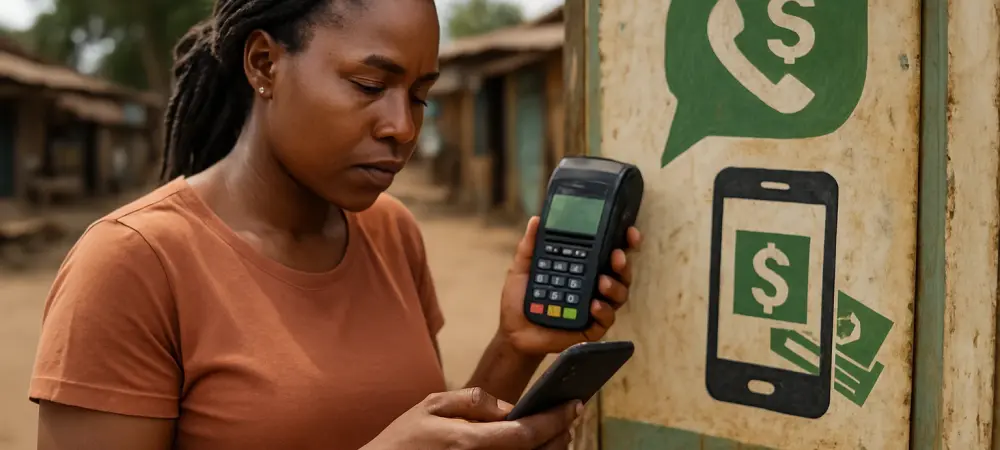
Imagine a bustling market in Dar es Salaam, where vendors no longer handle stacks of cash but instead accept payments with a simple tap on their phones, contributing to an annual transaction value surpassing $80 billion in Tanzania alone. This vivid scene encapsulates the transformative power of mobile money, a trend reshaping economies across Africa. Digital payments are not just a convenience; they are a lifeline for millions, bridging financial gaps and fueling economic progress in regions long underserved by traditional banking systems. This analysis delves into the meteoric rise of mobile money, spotlighting Tanzania as a key hub, and explores its implications for businesses and communities across the continent.
The Surge of Mobile Money Across African Economies
Market Expansion and Key Statistics
Mobile money has emerged as a dominant force in African financial systems, with Tanzania leading the charge. The market in this East African nation records an astonishing annual transaction value exceeding $80 billion, reflecting a profound shift toward digital payments. Unlimit, a global payment solutions provider, has tapped into nearly 90% of this market by integrating with major services like M-Pesa, which boasts 60 million users, Mixx by Yas with 20 million users, and Airtel Money serving 41.5 million users. This integration underscores the sheer scale of mobile money’s reach in a single country.
Beyond raw numbers, the pace of adoption is staggering. Unlimit reports a 76% surge in digital transaction volumes in Tanzania over the past year, a clear indicator of the rapid transition from cash-based to digital economies. This growth is not isolated; it mirrors a broader trend across Africa, where mobile money accounts for a significant share of financial transactions, especially in emerging markets. Such statistics highlight how digital wallets are becoming indispensable tools for everyday commerce.
Practical Impact and Business Integrations
The real-world impact of mobile money is evident in how it facilitates seamless transactions for both individuals and businesses. Unlimit’s strategic partnerships with Tanzania’s leading mobile money platforms serve as a prime example of effective market penetration. By connecting with M-Pesa, Mixx by Yas, and Airtel Money, Unlimit enables local merchants and international companies to access a vast customer base, reducing friction in payments and minimizing customer drop-off rates during transactions.
Moreover, Unlimit’s efforts extend beyond Tanzania, offering a suite of payment solutions across East Africa. These include local and international card payments, USSD payments in Nigeria, and bank transfers through regional institutions. Such diverse offerings ensure that businesses can cater to varied consumer preferences, whether through mobile wallets or traditional banking channels, thus enhancing financial accessibility. This integration also plays a crucial role in supporting economic ecosystems by catering to both banked and unbanked populations. For many Africans, mobile money is the first entry point into formal financial systems, allowing them to save, spend, and transfer funds without a traditional bank account. This shift is redefining commerce, making it more inclusive and efficient for all stakeholders involved.
Industry Perspectives on Mobile Money’s Role
Expert opinions shed light on the profound implications of mobile money’s growth. Irene Skrynova, Chief Customer Officer at Unlimit, has emphasized the importance of adapting to Tanzania’s evolving financial landscape. According to her, the integration with local mobile money services is a testament to a commitment to meet the market’s unique needs, ensuring that digital transactions are accessible and reliable for all users.
Skrynova also points out the dual benefit of such expansions. On one hand, international brands gain a foothold to scale operations in a high-growth region like Tanzania. On the other hand, local businesses are empowered to reach their target audiences more effectively through streamlined payment processes. This synergy is vital for fostering a robust digital economy that benefits diverse economic players. The broader significance of mobile money, as highlighted by industry leaders, lies in its capacity to drive financial inclusion. By prioritizing digital payment solutions, companies like Unlimit are not only facilitating transactions but also contributing to economic growth in regions where traditional banking infrastructure remains limited. This focus on inclusivity is shaping a new era of financial empowerment across Africa.
Looking Ahead: The Future of Mobile Money in Africa
The trajectory of mobile money suggests it will remain a cornerstone of African financial systems, with Tanzania poised to solidify its status as a digital payments hub. As adoption rates continue to climb, the potential for further growth appears limitless, particularly in rural and underserved areas where mobile technology is often the only viable financial tool. This trend promises to deepen financial inclusion over the coming years.
However, the path forward is not without obstacles. Regulatory challenges and the need for robust technological infrastructure pose significant hurdles to sustaining this digital boom. Governments and private entities must collaborate to address issues such as data security and network reliability to ensure that mobile money systems can handle increasing transaction volumes without disruption.
On a larger scale, mobile money holds the potential to transform cross-border trade and attract global investment. By simplifying transactions across African markets, it could pave the way for more international businesses to engage with the continent’s dynamic economies. This evolution might redefine economic interactions, positioning Africa as a key player in the global digital marketplace in the near future.
Final Reflections and Next Steps
Looking back, the explosive growth of mobile money in Tanzania, underscored by an $80 billion market and strategic integrations by companies like Unlimit, marked a turning point for African economies. The trend of digital payments gained momentum, reshaping how transactions occurred and fostering unprecedented levels of financial inclusion across diverse populations. Moving forward, stakeholders need to prioritize investments in infrastructure to support this digital shift, ensuring scalability and security in mobile money systems. Collaborative efforts between policymakers and the private sector are essential to navigate regulatory landscapes and expand access to unbanked regions. By embracing innovation and adaptability, businesses and governments can unlock the full potential of mobile money, driving sustainable economic progress across the continent for years to come.