

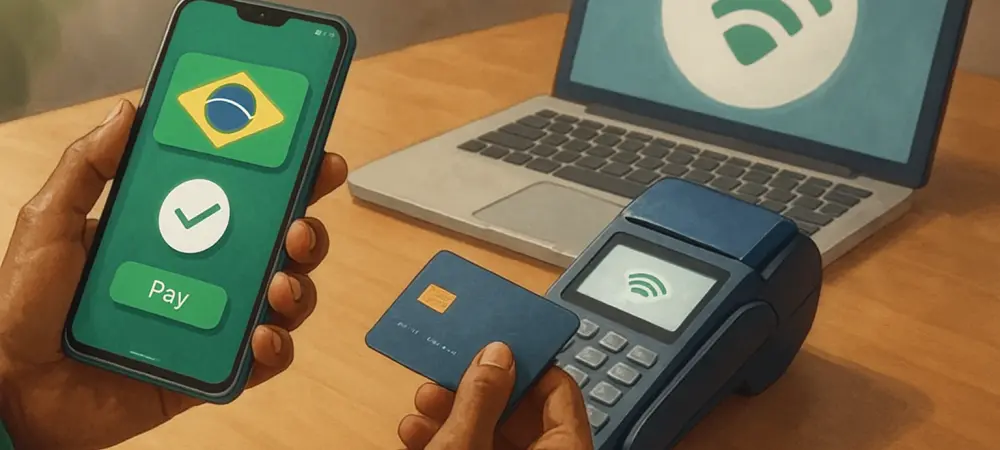
Imagine stepping into a virtual store, filling your cart with coveted items, only to abandon it at the last moment due to a clunky checkout process. In Brazil, this frustrating scenario plays out for over 80% of online shoppers, a staggering statistic that underscores a critical pain point in the booming e-commerce market. This high cart abandonment rate has sparked an urgent need for innovative solutions to streamline transactions. Digital payments, as a transformative force, are rapidly gaining ground in Brazil, a nation with unique fintech challenges and vast opportunities. This analysis dives into the latest advancements, such as the Click to Pay initiative by Juspay and Mastercard, while exploring industry insights, future prospects, and the broader impact on Brazil’s digital economy.
The Rise of Digital Payments in Brazil’s E-Commerce Landscape
Growth Trends and Adoption Statistics
Brazil’s e-commerce sector is experiencing robust growth, with online shopping increasing by 7% in the first half of this year alone. Yet, the alarming reality of an 80% cart abandonment rate casts a shadow over this progress. This gap between interest and completed transactions signals a dire need for seamless payment systems. Among the nation’s 129 million Mastercard users, the demand for frictionless checkout experiences is louder than ever. Reports from credible industry sources highlight how digital payment solutions are being adopted at a breakneck pace, driven by consumers hungry for convenience in an increasingly digital marketplace.
Moreover, this surge in e-commerce isn’t just a fleeting trend. It reflects a deeper shift in consumer behavior toward online platforms, pushing merchants to adapt or risk losing sales. The sheer volume of potential transactions slipping through the cracks due to outdated payment processes is a wake-up call. As digital wallets and contactless options proliferate, the stage is set for groundbreaking tools to bridge this gap and turn abandoned carts into completed purchases.
Real-World Applications and Innovations
One of the most promising responses to this challenge is the collaboration between Juspay and Mastercard, which has introduced Click to Pay in Brazil. This feature tackles cart abandonment head-on by simplifying the checkout process. With just one click, consumers can complete purchases without the hassle of entering card details or passwords repeatedly, a major barrier to conversion. Merchants adopting this solution are already seeing improved outcomes as frustrated shoppers turn into satisfied customers.
Beyond simplicity, Click to Pay incorporates cutting-edge security features like passkey-based biometric authentication and tokenized credentials. These ensure that transactions are not only swift but also safe, easing consumer concerns about fraud. For merchants, the shift of liability away from their end is a game-changer, reducing financial risks tied to online sales.
Additionally, the practical rollout of this innovation is seamless for businesses. Thanks to Juspay’s plug-and-play integration, merchants can adopt Click to Pay without overhauling their existing systems. This accessibility means that even smaller players in Brazil’s e-commerce space can compete by offering a checkout experience on par with global standards, boosting their conversion rates and customer loyalty.
Industry Perspectives on Digital Payment Solutions
Voices from the forefront of fintech provide compelling insights into these developments. Leonardo Linares, senior vice president of client solutions at Mastercard Brazil, emphasizes the pivotal role of strategic partnerships in meeting consumer expectations. According to Linares, collaborating with innovators like Juspay is essential to deliver payment options that prioritize both security and ease, ensuring that trust remains at the core of every transaction.
Similarly, Shakthidhar Bhaskar, director of LATAM expansion at Juspay, speaks to the transformative power of Click to Pay. Bhaskar points out that this solution is poised to redefine Brazil’s payment ecosystem by offering faster and safer checkouts. Such optimism from industry leaders highlights a shared vision: digital payments are not just a convenience but a necessity for sustaining growth in a competitive market. Their perspectives underscore how targeted innovations can address systemic issues like cart abandonment with precision.
Future Outlook for Digital Payments in Brazil
Looking ahead, the trajectory of digital payments in Brazil appears promising, with potential for wider adoption of technologies like biometric authentication and passkey systems across Latin America. These advancements could set a new benchmark for convenience, allowing users to authenticate transactions with a simple scan or touch. For merchants, the benefits are clear—higher conversion rates and improved customer satisfaction are within reach as checkout friction diminishes.
However, challenges loom on the horizon. Integration costs for cutting-edge systems may deter smaller businesses, while consumer trust in unfamiliar technologies remains a hurdle. Balancing innovation with education will be key to widespread acceptance. Cybersecurity threats also pose a persistent risk, demanding robust safeguards to protect sensitive data as digital transactions scale up.
On a broader scale, solutions like Click to Pay could become a regional standard, influencing payment ecosystems beyond Brazil. The ripple effect might inspire neighboring markets to adopt similar tools, fostering a more connected and efficient digital economy. Yet, this growth must be tempered with vigilance to ensure that security keeps pace with innovation, maintaining a delicate equilibrium between progress and protection.
Conclusion: Shaping the Future of Transactions in Brazil
Reflecting on the journey, Brazil’s e-commerce challenges stood as a formidable barrier, with cart abandonment plaguing merchants and frustrating consumers. The introduction of Click to Pay by Juspay and Mastercard marked a turning point, offering a lifeline through streamlined, secure transactions. Industry leaders expressed unwavering confidence in the potential of such digital payment innovations to reshape the landscape. Moving forward, stakeholders must prioritize accessible integration and robust cybersecurity measures to sustain this momentum. By fostering collaboration and consumer trust, the path was paved for a future where digital transactions became not just seamless, but a cornerstone of Brazil’s economic evolution.