

Introduction: The Costly Burden of Document Errors
Imagine an insurance carrier losing millions annually due to a single overlooked error in a policy document, leading to regulatory fines and customer dissatisfaction. This scenario is far from rare—industry reports estimate that document errors cost the insurance sector billions each year, with manual processes contributing to a significant portion of these mistakes. In a highly regulated and fast-paced environment, the need for efficiency and compliance has never been more critical, spurring a wave of automation adoption. This analysis dives into the emerging trend of automated PDF validation, spotlighting Emtech Group’s QMT TruePDF as a transformative solution. Key areas of focus include the tool’s innovative features, its impact on the industry, expert perspectives, and the broader implications for the future of insurance operations.
The Rise of Automated PDF Validation in Insurance
Growing Adoption and Industry Need
The insurance industry faces mounting pressure to ensure document accuracy amid stringent regulatory demands and rising customer expectations. Studies reveal that manual document validation processes result in error rates as high as 15%, leading to costly delays and compliance violations. With digital transformation accelerating, automated solutions have become indispensable, as carriers seek to mitigate risks and streamline operations. Tools like QMT TruePDF are gaining traction by addressing these challenges head-on, offering a way to eliminate human error while meeting the demands of a digitized marketplace.
Regulatory oversight continues to tighten, with non-compliance penalties becoming a significant financial burden for insurers. At the same time, customers expect rapid policy issuance and claims processing, pushing companies to adopt technologies that enhance speed without sacrificing precision. The surge in Insurtech adoption, projected to grow steadily from this year through 2027, underscores how automation is no longer optional but a strategic necessity for staying competitive in a complex landscape.
Real-World Implementation: QMT TruePDF in Action
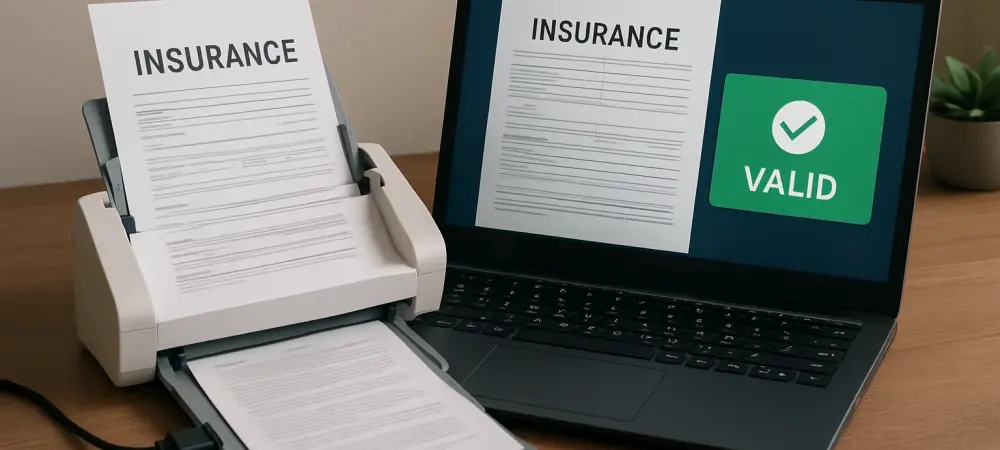
Emtech Group’s QMT TruePDF stands out as a pioneering tool in automated PDF validation, designed specifically for the nuanced needs of insurance carriers and Insurtechs. This software automates the comparison of PDF content against predefined business rules and regulatory standards, flagging issues such as missing data fields or formatting discrepancies before documents reach clients. By catching errors early, it significantly reduces compliance risks and enhances operational efficiency across critical workflows.
The practical applications of QMT TruePDF span multiple areas, including underwriting, policy issuance, and claims processing. For instance, during policy issuance, the tool ensures that all required clauses and data points are present, cutting down the time-to-issue and preventing costly rework. Its ability to handle both static and dynamic PDFs makes it versatile for various document types encountered in the insurance space, offering a robust solution to long-standing inefficiencies.
To facilitate adoption, Emtech Group offers a pilot program, allowing qualified carriers and Insurtechs to test QMT TruePDF in their own environments at no cost for a limited period. This initiative provides a low-risk opportunity to experience the software’s benefits firsthand, demonstrating measurable improvements in accuracy and speed. Such programs are pivotal in bridging the gap between innovation and real-world implementation, paving the way for broader industry uptake.
Industry Voices on Automation and Quality Assurance
The shift toward automated document validation has garnered strong support from industry leaders who recognize its potential to transform quality assurance. Donald Pegg, an IT Executive Leader in Wealth Management & Insurance, highlights the inefficiencies of manual processes, noting that delays and errors often stem from human oversight. According to Pegg, QMT TruePDF addresses these pitfalls by introducing automation that ensures precision, thereby bolstering compliance and reducing operational bottlenecks in a regulated sector.
Complementing this view, Alex Rodov, Founder of Emtech Group, emphasizes the tool’s role in redefining standards for document validation. Rodov describes QMT TruePDF as a scalable and precise alternative to outdated manual methods, filling a critical gap in quality assurance. His perspective underscores a commitment to leveraging technology to tackle overlooked challenges, positioning automation as a cornerstone for efficiency in insurance workflows.
These expert insights collectively affirm the growing consensus that automation is essential for navigating the complexities of regulatory compliance and operational demands. By integrating solutions like QMT TruePDF, insurers can achieve a level of accuracy and speed that manual processes simply cannot match. This validation from seasoned professionals reinforces the trend’s significance and its capacity to reshape industry practices for the better.
Future Outlook for Automated Document Validation
Looking ahead, automated PDF validation holds immense promise for the insurance industry, with tools like QMT TruePDF poised to evolve alongside advancements in artificial intelligence and machine learning. These technologies could enable the software to analyze increasingly complex documents, identifying subtle discrepancies and predicting potential errors before they occur. Such capabilities would further reduce costs and enhance customer satisfaction by ensuring flawless documentation at every stage.
However, challenges remain on the horizon, particularly in integrating these advanced tools with legacy systems that dominate many insurance operations. Data security also emerges as a concern, as automated validation involves handling sensitive customer information that must be safeguarded against breaches. Addressing these hurdles will be crucial for carriers aiming to fully capitalize on the benefits of automation while maintaining trust and compliance in a digital ecosystem.
Beyond insurance, the implications of this trend extend to other sectors with heavy documentation needs, such as finance and healthcare. The potential for streamlined processes is vast, yet there is a risk of over-reliance on technology if human oversight diminishes entirely. Balancing innovation with caution will define how automated validation shapes operational frameworks across industries, ensuring that efficiency gains do not come at the expense of accountability.
Embracing Automation for a Stronger Future
Reflecting on this trend, it becomes evident that automated PDF validation plays a pivotal role in tackling inefficiencies, ensuring compliance, and cutting costs within the insurance sector, with QMT TruePDF serving as a standout example. The journey highlights how such tools address critical pain points, from error-prone manual reviews to regulatory challenges. As digital transformation gains momentum, automation emerges as a linchpin for operational success in a highly regulated field.
Looking back, the insights from industry leaders underscore the urgency of adopting these technologies to stay ahead. For insurance carriers and Insurtechs, the next step involves exploring pilot programs like the one offered by Emtech Group to test solutions in real-world settings. By taking proactive measures to integrate automation, companies position themselves to navigate future complexities with confidence, ensuring resilience in an ever-evolving landscape.