

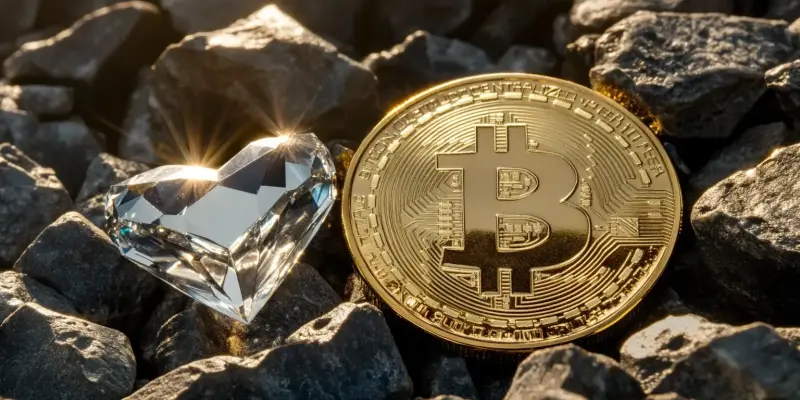
In recent years, the concept of tokenizing real-world assets (RWAs) on blockchain platforms has gained significant traction, fundamentally transforming the ways in which assets are owned, traded, and managed. By leveraging the security, transparency, and decentralization inherent in blockchain technology, tokenization has opened up new avenues for more efficient and accessible investment opportunities. With Bitcoin now facilitating the tokenization of assets such as real estate, stocks, and commodities, investors can seamlessly engage in purchase, trade, and distribution transactions in a secure and decentralized environment.
What Is Tokenization?
Tokenization is a process in which physical assets are transformed into digital cryptographic tokens that represent ownership stakes on a blockchain. These tokens serve as digital representations of real-world assets, each correlating to a specific percentage of asset ownership. This innovative approach democratizes access to investment opportunities, allowing smaller investors to participate in asset classes that were previously out of reach. Tokenization enhancements have been driven by advancements in blockchain technology, with a major consulting group, BCG, projecting that the tokenized asset market could reach an astounding $16 trillion within the next decade.
Why Use Bitcoin for Tokenization?
Bitcoin distinguishes itself as a premier platform for tokenization due to its unparalleled security and decentralized nature. While various blockchain networks, such as Ethereum, have already facilitated the emergence of numerous tokenized asset platforms, Bitcoin’s robustness in terms of security ensures that transactions remain reliable and secure. Recent technological updates, including Ordinals and Runes, have further optimized Bitcoin’s capability to handle asset tokenization efficiently. The public transaction records maintained on the Bitcoin blockchain provide a transparent and verifiable basis for ownership, making it a preferred choice for many investors seeking the utmost credibility and trustworthiness.
Benefits of Bitcoin Tokenization
Tokenizing assets on the Bitcoin network offers several significant advantages. First and foremost, Bitcoin’s reputation as the world’s most secure blockchain network provides investors with confidence in the safety of their digital tokens. The transparency of public transaction records also enables verification of ownership and transactions without intermediaries, reducing costs and streamlining processes. Fractional asset ownership becomes more feasible, allowing individuals to invest smaller amounts, making high-value assets more accessible to a broader range of investors. These benefits collectively make Bitcoin an attractive and practical platform for tokenizing real-world assets.
How to Tokenize RWAs on Bitcoin?
When considering tokenizing an asset on the Bitcoin blockchain, it’s essential to select an asset type well-suited for tokenization. Certain assets, such as real estate, art, and commodities, are ideal candidates due to their intrinsic value and the clear legal rights associated with their ownership. Before initiating the tokenization process, it is crucial to verify that the chosen asset possesses unequivocal legal rights of ownership to ensure a smooth and legal transaction. Thorough due diligence is necessary to confirm that the asset meets these criteria and is free from any disputes or encumbrances.
Upon selecting a suitable asset, the next step is to create a digital representation of it in the form of tokens. A verified entity must issue these digital tokens following stringent verification processes to ensure authenticity and compliance with relevant regulations. These tokens will then be available on the Bitcoin network, allowing users to buy, sell, and trade them as representations of their share in the underlying asset. The digital tokens facilitate smooth and efficient trading, eliminating barriers of traditional asset transactions and providing a straightforward means for investors to engage in asset trades securely.
Tokenization on the Bitcoin network involves choosing an appropriate protocol among the available options such as RGB, Ordinals, and Stacks. Each protocol offers unique features regarding security, functionality, and efficiency. Selecting the right protocol is critical to the success of the tokenization process. Investors need to carefully evaluate the characteristics and capabilities of each protocol to determine the best fit for their specific asset and investment objectives. This consideration ensures optimal security and usability for the digital tokens associated with the real-world asset.
Challenges in Bitcoin Tokenization
Despite the numerous advantages, tokenizing assets on the Bitcoin blockchain does present certain challenges. Tokenization is still in its developmental stages and must continually adhere to the established security standards of Bitcoin. Unlike Ethereum, the complexity of smart contracts on Bitcoin poses unique difficulties, necessitating advanced technical expertise for proper implementation. Additionally, regulatory uncertainty remains a significant challenge, as laws governing tokenization are not uniformly defined across different regions. These challenges require ongoing innovation and regulatory clarity to fully unlock the potential of tokenized assets on Bitcoin.
The Future of RWAs on Bitcoin
The future looks promising for the tokenization of real-world assets on Bitcoin, as more investors recognize the benefits and seek to capitalize on this technology. According to Goldman Sachs, tokenized assets could constitute up to 10% of the global economy by 2027, underscoring the potential for substantial growth in this sector. As Bitcoin continues to evolve, the development of new protocols and tools will further streamline and enhance the tokenization process, making it more accessible and attractive to a wider audience. The ongoing improvements in blockchain technology are poised to solidify Bitcoin’s position as a key player in the digital asset landscape.
Final Thoughts
In recent years, the notion of tokenizing real-world assets (RWAs) on blockchain platforms has seen substantial growth, reshaping how assets are owned, traded, and managed. By utilizing blockchain technology’s inherent security, transparency, and decentralization, tokenization has introduced new pathways for more efficient and accessible investment opportunities. This transformation is making investments in assets like real estate, stocks, and commodities easier and more secure. Using blockchain, particularly platforms like Bitcoin, to tokenize assets allows investors to participate in transactions such as purchasing, trading, and distribution in a safe and decentralized ecosystem. This advancement also promotes broader investor participation by breaking down traditional barriers associated with asset ownership and investment. The seamless integration of assets into the blockchain empowers investors with greater control and access, ensuring a more inclusive financial landscape. As tokenization continues to evolve, it paves the way for a more dynamic and efficient market structure, revolutionizing the future of asset management and investment.