

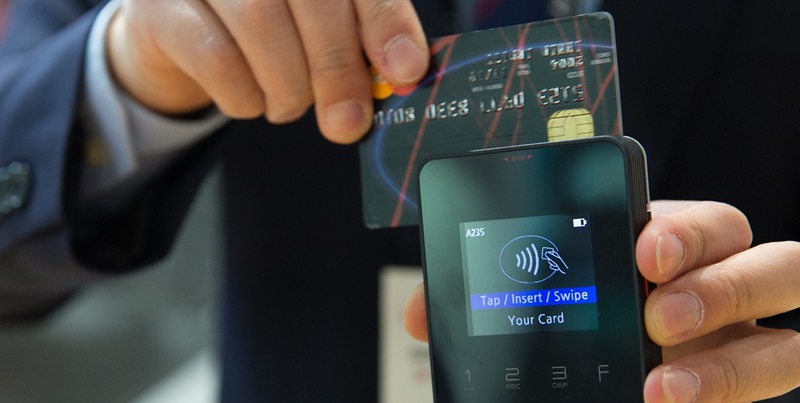
In today’s digital era, with frequent data breaches, tokenization has become a key line of defense in securing sensitive financial data. This technology is gaining traction in the payment industry as a robust security measure, transforming sensitive information into unique tokens. These tokens can traverse various networks without revealing the underlying data, thereby minimizing the risk of financial information being compromised during cyber attacks. As cyber threats evolve and become more complex, tokenization offers a proactive approach to data protection, ensuring that even if a breach occurs, the actual data remains inaccessible to unauthorized parties. Tokenization’s application extends beyond payments, offering a broader scope of protection for any form of sensitive data that needs to be securely transmitted or stored. This security strategy, while not infallible, adds a crucial layer of defense that is fast becoming indispensable in the continuing battle against data theft and cybercrime.
Enhancing Data Privacy Through Tokenization
The Pillar of Consumer Trust
Tokenization is the process of substituting a sensitive data element with a non-sensitive equivalent, known as a token, which has no extrinsic or exploitable meaning or value. This token is generated through algorithms that ensure its uniqueness for each transaction. Unlike encrypted data, which can often be decrypted with the right key, tokenized data is not reversible, thereby inherently increasing its security. In an era where consumers are particularly sensitive to how their data is handled, tokenization provides essential peace of mind. By utilizing tokenization, companies can dramatically reduce the risk of data breaches and the subsequent loss of consumer trust, which is particularly devastating in the digital payments sphere. When consumers feel confident that their data is safe, loyalty to a platform or service is more likely to be strengthened.
A Competitive Edge in the Trust Economy
In today’s trust economy, the way companies handle and safeguard customer data is a critical component of consumer decision-making. Employing tokenization is a powerful declaration of a firm’s dedication to top-tier data protection, setting it apart in a competitive market. This commitment to security not only fosters consumer trust but also serves as a catalyst for organic marketing through customer recommendations. With the rapid dissemination of news surrounding data breaches, establishing a secure environment through tokenization is a strategic move for businesses. It not only shields sensitive information but also enhances the company’s market standing, potentially leading to increased growth. Tokenization is, therefore, not just a technological solution for security; it is an investment in a company’s reputation and customer loyalty. Businesses that prioritize such measures are likely to benefit from greater consumer confidence and a more solidified presence in their respective markets.
Streamlining Payments with Tokenization
Reducing Friction in Transaction Processing
Tokenization in payment systems has ushered in a new era of secure and convenient transactions. By replacing sensitive payment data with unique identifiers, or tokens, the direct handling and storage of such information by businesses are no longer necessary, easing compliance with stringent data protection laws. This shift not only simplifies the safeguarding of customer data but also streamlines the checkout experience. The presence of tokens quickens the payment process, allowing consumers to enjoy a more seamless purchase journey. This reduction in transaction friction is key to boosting consumer satisfaction and, as a result, can lead to an uptick in sales for merchants. As tokens serve as stand-ins during transactions, the overall payment procedure is not just accelerated but also considerably safer, benefiting both customers and businesses alike. This modern approach to processing payments heralds a future where speed, security, and simplicity are harmoniously integrated for an enhanced shopping experience.
Easing Compliance and Promoting Globalization
Another key benefit of tokenization is its ability to simplify compliance with local and global data security regulations such as the Payment Card Industry Data Security Standard (PCI DSS). By substituting sensitive cardholder data with tokens, businesses decrease their regulatory burden since the tokens do not qualify as regulated data. In addition, the concept of tokenization has been gradually accepted as a global security measure, which paves the way for standardization of security protocols across borders. This global perspective on payment security bolsters interoperability among systems and fosters greater collaboration among payment networks worldwide. As tokenization becomes more universally adopted, the payments industry is likely to see a convergence of security practices, simplifying international transactions and promoting a cooperative approach to cyber defense.