

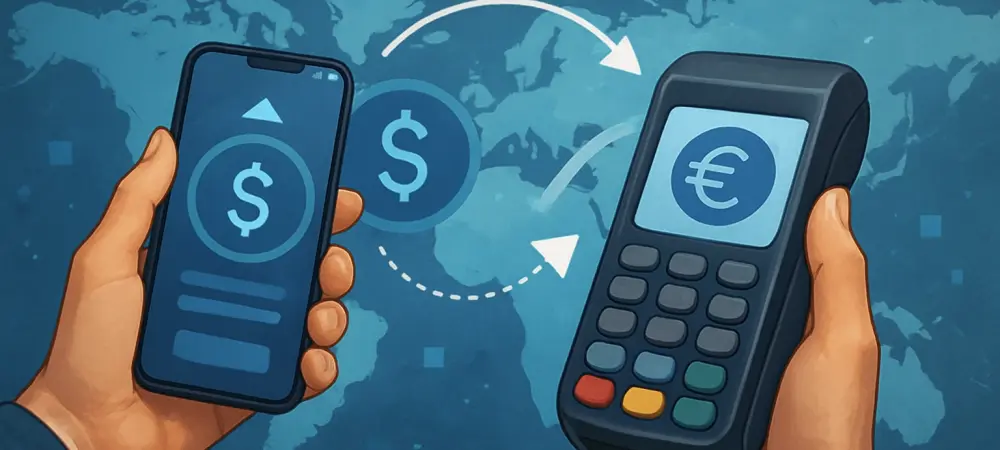
I’m thrilled to sit down with Daphne Huang, Chief Government Affairs Officer at Thunes, a pioneering force in the fintech world known as the Smart Superhighway for moving money globally. With a track record of forging transformative partnerships, Thunes is reshaping how we think about cross-border payments. Today, we’ll dive into their exciting collaboration with WeChat Pay HK, exploring how this alliance is making international money transfers faster and more accessible, the technology driving these innovations, and the growing demand for seamless remittances from Hong Kong to the world.
Can you walk us through how the partnership with WeChat Pay HK came to life and what inspired this collaboration?
Absolutely. This partnership really stems from a shared vision of making cross-border payments as seamless as possible. We’ve been working with Tencent, WeChat Pay HK’s parent company, for a few years now, and that relationship laid the groundwork. When the opportunity arose to specifically empower WeChat Pay HK users in Hong Kong, we saw it as a natural extension. Our goal was to leverage our technology to help their users send money abroad effortlessly, and it’s been exciting to see this vision take shape.
What are some of the key benefits this collaboration brings to WeChat Pay HK users in Hong Kong?
For users, it’s all about convenience and efficiency. They can now send money across the globe in real time, which is a game-changer for anyone needing to support family or handle urgent payments abroad. On top of that, we’ve worked to make these transfers more affordable, cutting down on the fees that often burden international remittances. It’s about removing friction and giving users a reliable way to move their money.
How does Thunes’ Direct Global Network contribute to making these international transfers so effective?
Our Direct Global Network is the backbone of this operation. It’s a proprietary system that connects directly to billions of endpoints worldwide, allowing us to bypass traditional intermediaries that slow things down and add costs. This means WeChat Pay HK users can send money instantly to a vast array of destinations with confidence that it’ll arrive quickly and securely. It’s a unique setup that prioritizes speed and dependability.
This partnership builds on an earlier connection with Tencent. Can you share a bit about how that relationship started and evolved?
Certainly. We first connected with Tencent Financial Technology back in 2022, becoming the first payment network partner to integrate with their fintech arm. That initial collaboration focused on enabling fast international payments to users in mainland China, which was a significant step forward. It opened doors for millions to receive money seamlessly. Building on that success, extending our partnership to WeChat Pay HK felt like the next logical move to broaden our impact in the region.
Which regions around the world do you think will see the biggest impact from this expanded service for cross-border transfers?
We’re seeing strong potential in several key corridors, particularly South East Asia, Europe, and Australia. These are areas with high demand for remittances, often driven by expatriate communities sending money back home. We identified these regions through market research and transaction data, focusing on where we could make the most difference for users who rely on quick and affordable transfers.
Your 2025 Report, Money Without Borders, emphasizes the importance of speed in money transfers. Why do you think this is such a priority for so many people?
Speed matters because, for many—especially expatriates—money transfers are tied to urgent needs, like supporting family or paying bills back home. Our report found that 65% of expatriates value speed above all else when choosing a payment method. It’s not just about convenience; it’s about peace of mind. Knowing the money will arrive when it’s needed most is critical, and this partnership with WeChat Pay HK directly addresses that by enabling real-time transfers.
Outbound remittances from Hong Kong are projected to grow significantly in the coming years. What’s fueling this trend?
There are several factors at play. Hong Kong’s position as a global financial hub means a large expatriate population and a strong need for international money movement. Economic growth, migration patterns, and even the rise of digital wallets are driving more people to send money abroad. Statista projects outbound remittances to hit $1.45 billion by 2030, and we’re seeing social and economic ties to regions like South East Asia and beyond as key contributors. We’re committed to supporting this growth by ensuring our solutions scale with demand.
Who do you see as the primary users benefiting from this collaboration, and how does it cater to their needs?
The main beneficiaries are individuals like expatriates and migrant workers who regularly send money to family or friends overseas. These users often face high fees and slow processing times with traditional methods, so our focus with WeChat Pay HK is to offer a faster, more cost-effective alternative. Whether it’s a parent supporting a child studying abroad or someone sending funds for medical expenses, we’re making sure the process is stress-free and reliable.
Looking ahead, what’s your forecast for the future of cross-border payments, especially in markets like Hong Kong?
I’m optimistic about where we’re headed. Cross-border payments are becoming more digital and instantaneous, and markets like Hong Kong will continue to be at the forefront due to their connectivity and diverse populations. I expect we’ll see even greater adoption of mobile wallets and real-time transfer solutions over the next few years, with technology like ours driving down costs and increasing accessibility. The demand is only going to grow, and we’re excited to be part of shaping that future.