

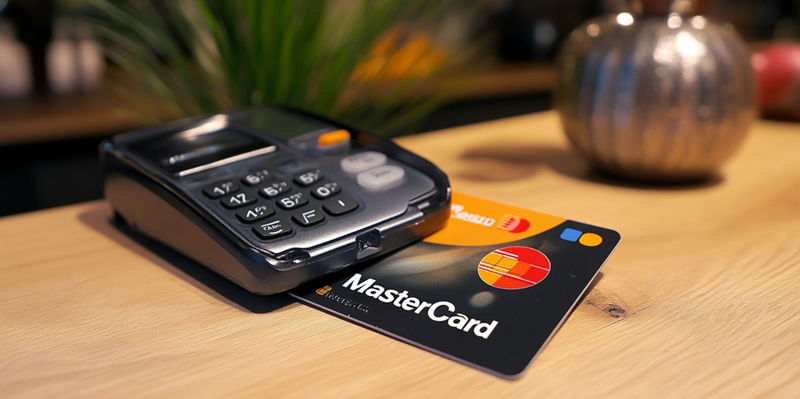
Premier Bank, a leading Islamic financial institution in Kenya, has made a significant move in the financial sector by partnering with Mastercard to launch a new Shari’ah-compliant suite of debit, credit, and prepaid cards. In an era where financial inclusivity and technological advancements are paramount, this collaboration underscores a commitment to providing secure and innovative financial solutions that align with the values and needs of Kenya’s diverse population. It is a notable milestone in the country’s financial landscape as the products come equipped with features tailor-made for modern banking while adhering to Islamic principles.
Enhancing Digital Banking Experiences
One of the core aspects of this venture is the enhancement of digital banking experiences for the customers of Premier Bank. The new card suite aims to deliver a seamless, secure, and efficient banking experience, bridging the gap between traditional banking and digital innovation. The Premier Mastercard suite is equipped with contactless payment capabilities, offering customers a fast and convenient way to make transactions. Moreover, the global acceptance of these cards ensures that users can access their funds and make payments wherever Mastercard is accepted, providing ultimate flexibility and security in their financial dealings.
The benefits of the Premier Mastercard suite extend beyond convenience. Customers will enjoy access to comprehensive financial services that significantly enhance their banking experience. The World Elite Card, for instance, provides access to airport lounges, which is invaluable for frequent travelers. Additionally, travel insurance is bundled with these cards, giving peace of mind to users as they embark on their journeys. Localized discounts with merchants such as Carrefour, Uber Eats, KFC, and major airlines further demonstrate the customer-centric approach of this initiative, providing tangible and immediate value to cardholders.
Commitment to Financial Inclusion
Both Premier Bank and Mastercard emphasize their dedication to promoting financial inclusion in Kenya. This initiative is not merely about introducing new financial products but about ensuring that these products play a pivotal role in shaping an inclusive financial landscape across the nation. With the introduction of these Shari’ah-compliant cards, a broader segment of the population that adheres to Islamic principles will now have access to modern financial services without compromising their values. This initiative also aims to foster financial literacy and inclusion, providing individuals and businesses with the tools they need to participate fully in the economy.
Security and innovation are at the heart of this collaboration. The card suite enables secure online payments, transactions at physical stores, and cash withdrawals from Premier Bank ATMs. This array of features ensures that users have multiple avenues to manage their finances efficiently and safely. The added special promotional offers, such as cashback and retail discounts for new debit card sign-ups, illustrate the efforts to attract and retain customers, making financial services more accessible and rewarding.
In summary, the partnership between Premier Bank and Mastercard has introduced a groundbreaking suite of Shari’ah-compliant financial products in Kenya. By blending innovative features with robust security measures, these products aim to foster financial inclusivity and drive digital banking transformation. This collaboration is a strategic move that caters to the evolving needs of both individuals and businesses across the country, laying a strong foundation for a more inclusive future in the Kenyan financial sector. This initiative highlights a significant shift towards aligning financial services with the needs and values of a diverse population, promising a more inclusive and digitally advanced banking ecosystem.