

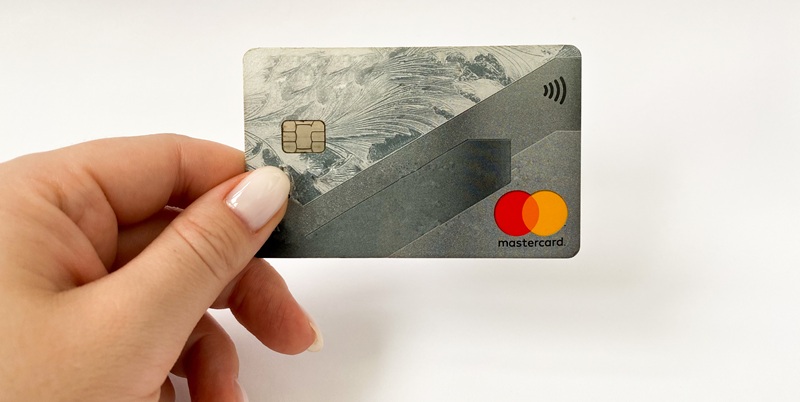
Orange Middle East and Africa (OMEA) and Mastercard have formed a strategic alliance aimed at expanding access to mobile financial services across Sub-Saharan Africa, a region where a significant portion of the population remains unbanked. The collaboration aims to enable millions of Orange Money wallet holders to utilize digital payments through Mastercard’s globally recognized merchant network by 2025, thereby opening up financial inclusivity for underserved communities. Initially, this initiative will be rolled out in seven countries: Cameroon, Central African Republic, Guinea-Bissau, Liberia, Mali, Senegal, and Sierra Leone.
Enhancing Financial Accessibility
Orange Money and Mastercard Collaboration
Under this partnership, Orange Money customers will have the capability to obtain either virtual or physical debit cards that are linked directly to their Orange Money wallets. This seamless integration will enable users to perform both local and international transactions with ease. These debit cards will be accepted by local merchants and on any online platform that supports Mastercard payments. Moreover, customers can conveniently request a virtual debit card via Orange’s Super App, Max it, while physical cards can be collected from specified Orange Money Mastercard locations.
This significant development aims to bridge the gap for those who are unable to access traditional banking services. With only 48% of adults in Africa having bank accounts, this partnership seeks to provide a viable alternative that promotes financial inclusivity. Aminata Kane, CEO of Orange Money Group for the Middle East and Africa, emphasized the innovation that this collaboration brings to the table, particularly in terms of enabling users to perform international payments and shop online securely. She highlighted how these services would empower local communities, fostering growth and development at the grassroots level.
Customer Benefits and Security Features
The introduction of these financial services provides substantial benefits to customers, particularly in terms of convenience and security. The virtual and physical cards linked to Orange Money wallets are designed to streamline payments, making it easier for users to manage their finances. As an added layer of security, transactions carried out with these cards are protected under Mastercard’s stringent security protocols, which are known for their robustness.
Amnah Ajmal, Executive Vice President of Market Development at Mastercard EEMEA, also pointed out that the partnership is a significant step forward for advancing financial inclusion in Africa. She emphasized that creating a digital ecosystem that benefits everyone—from individuals to small and medium enterprises—is paramount to fostering economic independence and global participation. By leveraging Mastercard’s expertise in securing payment gateways and Orange’s wide-reaching customer base, the initiative aims to build a scalable and secure financial framework.
Broader Impact and Future Prospects
Strengthening Small and Medium Enterprises
Orange’s extensive reach, with over 160 million users and 37 million active Orange Money accounts across 17 countries, positions it as a key player in promoting financial inclusion. This collaboration with Mastercard not only aims at benefiting individual customers but also extends substantial advantages to small and medium-sized enterprises (SMEs). By providing secure and efficient payment solutions, the partnership aims to empower SMEs, thereby contributing to the economic fabric of these communities.
The integration of Mastercard’s global payment network with Orange’s mobile financial services offers a robust platform for SMEs to scale their operations. This holistic approach to financial inclusivity ensures that both entrepreneurs and consumers can have access to seamless financial transactions, promoting a cycle of growth and sustainability. As SMEs flourish, so does the overall economic environment, creating a positive impact on employment and living standards.
Vision for Digital Transformation
Orange Middle East and Africa (OMEA) and Mastercard have partnered to broaden mobile financial services across Sub-Saharan Africa, targeting a region where many people lack banking services. This strategic alliance is set to enable millions of Orange Money wallet users to make digital payments via Mastercard’s globally accepted merchant network by 2025. The goal is to foster financial inclusivity for communities that traditionally lack access to banking.
The initiative will initially launch in seven countries: Cameroon, Central African Republic, Guinea-Bissau, Liberia, Mali, Senegal, and Sierra Leone. By bridging the gap in financial services, this effort promises to transform the economic landscape in these regions. Digital financial services are a crucial step in empowering underserved populations, giving them access to secure, convenient, and efficient ways to handle transactions. This collaboration not only strives to elevate economic participation but also aims to support local economies by fostering a more inclusive financial ecosystem.