

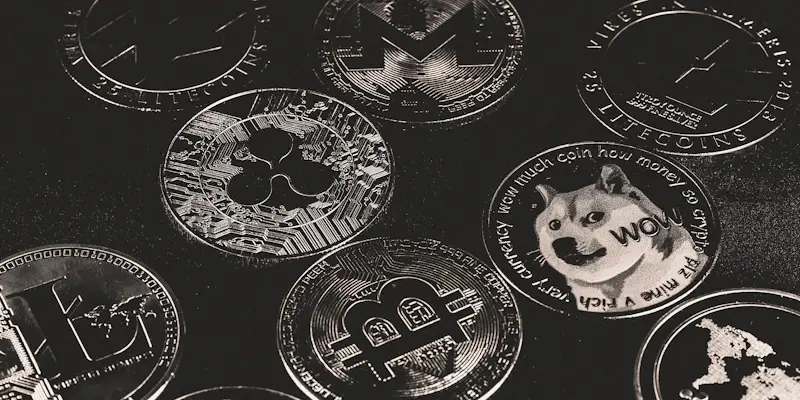
In recent market developments, the declining prospects of Dogecoin (DOGE) and Cardano (ADA) reaching $3 have become increasingly evident amidst turbulent conditions and waning retail interest. This stark contrast with the rising potential of Mutuum Finance (MUTM) has drawn significant attention from investors. Dogecoin has experienced a harsh decline, plummeting by 70% over four months, now priced around $0.15 as large holders offload their assets. Technical indicators reflect a bearish outlook, with the dreaded “death cross” visible on charts, signaling long-term weakness. Despite brief signs of recovery, DOGE faces strong resistance at $0.15 and could retreat further to $0.13, exacerbated by broader macroeconomic factors like tariff wars and meme coin volatility.
Meanwhile, Cardano witnessed a brief resurgence, rising by 23%, yet remains significantly below its 200-day moving average at around $0.63. Hopes tied to its mass adoption have withered, leaving ADA affected by persistent macroeconomic challenges such as inflation and supply chain disruptions that dampen risk appetite. Without imminent platform improvements or substantial partnerships, the likelihood of Cardano reaching the $3 mark appears slim. Some analysts even predict a possible pullback to $0.30, underlining the vulnerability of ADA under current market pressures.
On the other hand, Mutuum Finance has demonstrated robust success during its presale, selling over 400 million tokens to 8,200 holders and raising $6.65 million. Currently in Phase 4, with tokens priced at $0.025, MUTM expects to deliver a projected return of 140% upon launch. Analysts target post-listing prices around $1.50, attributing the optimism to strategic mechanisms like funneling 22% of platform fees into repurchasing MUTM tokens, which bolsters buy pressure and reduces sell-side liquidity. Additionally, the blockchain-backed dashboard tracking the top 50 holders incentivizes retention with bonus tokens, adding a layer of security and confidence backed by ongoing auditing measures, including a Certik audit.
Dogecoin: A Bearish Outlook
Dogecoin’s struggle is visible in its recent market performance, where the cryptocurrency plummeted by 70% over an arduous four-month period, now valued at approximately $0.15. The offloading of assets by large holders has contributed significantly to this decline, as evidenced by worsening technical indicators. The dreaded “death cross” on the charts signals long-term frailty that is difficult to ignore. Despite temporary signs of recovery, DOGE faces formidable resistance at $0.15 and is at risk of retreating further to $0.13. These challenges are compounded by broader macroeconomic factors, including tariff wars and the inherent volatility of meme coins, which undermine recovery prospects. In addition, retail interest has waned considerably, diminishing the driving force behind Dogecoin’s previous success. Key figures in the crypto community have voiced concerns about its future, pointing to the token’s vulnerability in a rapidly changing market. The lack of substantial technological advancements or significant institutional partnerships has cast a shadow over DOGE’s potential for notable growth. With an unstable macroeconomic environment adding further pressures, the prospects of Dogecoin reaching $3 seem increasingly unlikely.
Cardano: Struggling for Stability
Cardano’s performance tells a similar story of struggle and uncertainty. After a brief surge of 23%, ADA hovers around $0.63, considerably lower than its 200-day moving average, which reflects its unsettled position in the market. The high expectations tied to Cardano’s mass adoption have been largely unmet, casting doubt on its ability to rally to $3. Persistent macroeconomic issues, including rampant inflation and supply chain disruptions, have negatively impacted investor sentiment and risk appetite. These challenges have left Cardano vulnerable, with some analysts forecasting a potential drop to $0.30. This downward trend is exacerbated by the absence of imminent platform improvements or significant partnerships, which are critical for bolstering confidence in ADA’s long-term prospects. Market conditions remain unfavorable, with the risk appetite of investors significantly affected by broader economic instability. Consequently, while Cardano retains some potential for future growth, the hurdles it faces in reaching $3 are daunting and substantial, requiring notable changes in market dynamics and internal advancements.
Mutuum Finance: A Beacon of Potential
Conversely, Mutuum Finance has emerged as a beacon of potential amidst the challenges faced by traditional cryptocurrencies. Its presale success is evident, having sold over 400 million tokens to more than 8,200 holders, raising $6.65 million. Currently in Phase 4, with tokens priced at $0.025, Mutuum Finance offers investors a projected return of 140% upon its official launch. Analysts have set optimistic targets, projecting post-listing prices around $1.50. This positive outlook is driven by strategic mechanisms, including the allocation of 22% of platform fees toward repurchasing MUTM tokens, which strengthens buy pressure, thereby reducing sell-side liquidity.
Moreover, the initiative includes a blockchain-backed dashboard that tracks the top 50 holders, incentivizing retention through bonus tokens. These measures are designed to promote investor confidence and stability in a volatile market. Security protocols, such as the ongoing Certik audit, further enhance investor trust. Mutuum Finance’s innovative approach and early success in capturing investor interest have positioned it favorably as a significant player in the crypto market. Its structured tokenomics and promising projections offer a stark contrast to the troubled paths of Dogecoin and Cardano, highlighting the shifting focus of capital to emerging projects with sustainable growth potential.
Shifting Market Dynamics
The overarching trend in the crypto market indicates a reallocation of capital from traditional cryptocurrencies, besieged by market instability, to emerging projects like Mutuum Finance, which promise structured growth and reliable tokenomics. Investors who are increasingly wary of the volatile nature of meme coins and the arduous journey of tokens like Dogecoin and Cardano find solace in more promising ventures. Mutuum Finance’s innovative mechanisms, transparency, and strategic planning have resonated well with both retail and institutional investors.
The upcoming launch and its early presale success underscore Mutuum Finance’s potential to capture significant market share. Its focus on incentivizing token retention and reducing sell-side liquidity offers a sustainable model that appeals to cautious investors. By harnessing the principles of solid tokenomics and strategic market engagement, Mutuum Finance has differentiated itself from the traditional strains experienced by other cryptocurrencies. As such, investors are increasingly gravitating toward projects that promise stability, transparency, and structured growth, underscoring a significant shift in market preferences.
Future Considerations
Recent market shifts reveal the diminishing prospects of Dogecoin (DOGE) and Cardano (ADA) reaching $3, amidst adverse conditions and declining retail interest. Dogecoin’s trajectory has been notably bleak, plunging 70% over the past four months to around $0.15 as major holders divest. Technical indicators, including the ominous “death cross,” highlight a prolonged bearish trend. Despite occasional recoveries, DOGE faces formidable resistance at $0.15 and could dip to $0.13, influenced by macroeconomic issues like tariff wars and meme coin volatility. In contrast, Cardano experienced a 23% rise but remains well below its 200-day moving average, hovering near $0.63. Hopes for widespread adoption have faded, leaving ADA vulnerable to ongoing macroeconomic issues such as inflation and supply chain disruptions, which dampen risk appetite. Without immediate platform enhancements or significant partnerships, reaching the $3 mark seems unlikely. Some analysts even foresee a potential drop to $0.30, underscoring ADA’s susceptibility to current market pressures.
Meanwhile, Mutuum Finance (MUTM) is experiencing notable success during its presale, selling over 400 million tokens to 8,200 holders and raising $6.65 million. Now in Phase 4 with tokens priced at $0.025, MUTM anticipates a 140% return upon launch. Analysts predict post-listing prices around $1.50, driven by strategies like using 22% of platform fees to repurchase MUTM tokens, enhancing buy pressure and reducing liquidity on the sell side. A blockchain-backed dashboard tracking the top 50 holders, offering bonus tokens for retention, and comprehensive auditing measures like a Certik audit add to investor confidence and security.