

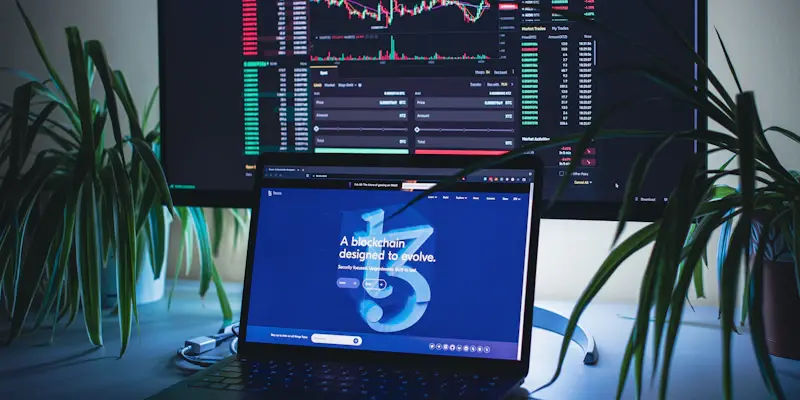
In an era defined by rapid technological advancements, the blockchain industry continuously seeks innovative solutions to ensure scalability, security, and futureproofing against emerging threats. One notable development includes Exaion, a subsidiary of the French energy company EDF Group, expanding its role within the Tezos ecosystem. Concurrently, the Sui blockchain, developed by Mysten Labs, is actively updating its cryptographic infrastructure to withstand potential quantum computing threats. These parallel initiatives demonstrate the industry’s commitment to maintaining robust and efficient digital systems, underscoring the importance of proactive measures in facing evolving digital challenges.
Exaion’s Contribution to Tezos Ecosystem
Exaion has recently enhanced its involvement in the Tezos network by becoming a validator for Etherlink, a Layer 2 Ethereum-compatible rollup built on Tezos. This move solidifies Exaion’s dedication to the growth and stability of the Tezos network, aiming to attract more developers and projects. Etherlink utilizes Tezos Smart Rollups to improve scalability, posting transaction data to the Tezos mainnet. By leveraging Exaion’s infrastructure, Etherlink’s security and reliability receive a significant boost, bridging the gap between institutional adoption and blockchain innovation.
The leadership at Exaion emphasized their commitment to delivering high-quality digital services, contributing to the security and credibility of Etherlink. The integration of Exaion’s infrastructure with Etherlink highlights the importance of reliable and secure blockchain solutions, fostering confidence among developers to build on the Tezos network. This collaboration aims to create a robust environment that supports blockchain’s long-term growth and adoption beyond a mere passing interest. Exaion’s involvement is expected to prompt a surge in innovative projects, fostering a more dynamic and secure digital ecosystem within Tezos.
Quantum Computing Threats and Sui’s Response
Anticipating the rise of quantum computing, the Sui blockchain is proactively updating its cryptographic infrastructure to ensure resilience against quantum threats. Quantum computers, on the cusp of practical application, pose a significant risk to traditional encryption methods like elliptic curve and RSA-based systems, which are commonly used across various platforms. Sui’s design emphasizes cryptographic adaptability, enabling the seamless integration of quantum-resistant algorithms to protect user data and transactions in the long term. The network is integrating post-quantum cryptographic methods endorsed by the U.S. National Institute of Standards and Technology (NIST). These methods include lattice-based protocols like CRYSTALS-Dilithium and FALCON, which are proven to resist quantum decryption. Additionally, Sui is enhancing its key generation processes and hashing techniques, focusing on advanced cryptographic frameworks such as zero-knowledge proofs. These measures aim to strike a balance between performance and security, maintaining the integrity of digital systems in the forthcoming quantum era.
Industry-Wide Preparations for Quantum Threats
Sui is not alone in addressing the looming threat of quantum computing; other blockchain platforms like Ethereum, Algorand, and Solana are also exploring quantum-safe solutions. Notably, Solana has deployed the Winternitz Vault, utilizing hash-based signatures that are resistant to quantum interference. These platforms recognize the urgency of developing quantum-resistant protocols to secure the future of blockchain technology, reflecting a broader trend within the industry.
The collective efforts of blockchain networks in preparing for quantum computing underscore the industry’s dedication to sustainability, security, and long-term relevance. By integrating advanced cryptographic methods, these platforms aim to ensure that digital systems remain robust and efficient as technology evolves. Preparing for future challenges highlights the industry’s commitment to maintaining the integrity and growth of blockchain networks, fostering a secure digital ecosystem both now and in the coming years.
Future Implications and Industry Growth
In an era marked by rapid technological progress, the blockchain industry seeks cutting-edge solutions to guarantee scalability, security, and resilience against emerging threats. Among significant developments, Exaion—a subsidiary of the French energy giant EDF Group—has deepened its integration within the Tezos ecosystem. Similarly, the Sui blockchain, crafted by Mysten Labs, is proactively enhancing its cryptographic framework to guard against future quantum computing threats. These concurrent efforts highlight the industry’s unwavering dedication to upholding robust and effective digital systems, stressing the need for proactive approaches in confronting dynamic digital challenges. As blockchain technology evolves, these advancements illustrate its commitment to maintain security and performance, ensuring preparedness for unforeseen technical hurdles. By continuously adapting to new threats and opportunities, the blockchain sector aims to build resilient infrastructures crucial for the future, demonstrating a proactive stance in facing the ever-evolving digital landscape.