
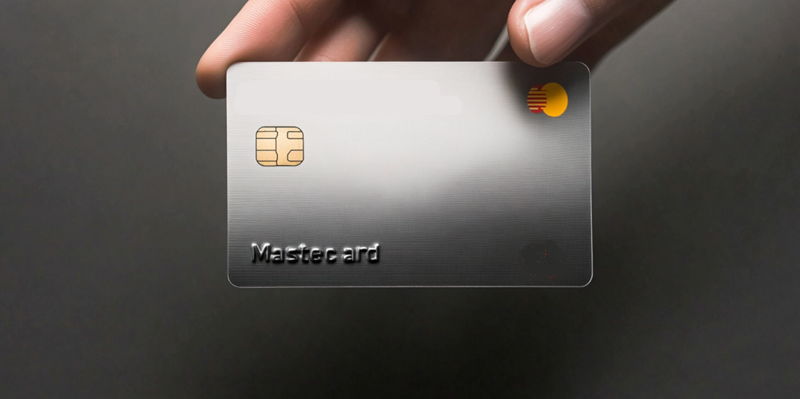
Mastercard Enhances Payments with New Pay Local Digital Wallet Service

Mastercard has launched a new service called Mastercard Pay Local with the aim of improving the convenience of payments through local digital wallets. This initiative allows both resident cardholders and international travelers to link their credit and debit cards directly to digital wallets without requiring a prepaid account setup, thus enabling immediate spending. The Asia Pacific (APAC) region stands to benefit significantly, with over 35 million merchants accepting digital wallets like DANA in Indonesia, Touch ‘n Go in Malaysia, Bakong in Cambodia, and LankaPay in Sri Lanka.

The Pay Local service is particularly beneficial to micro, small, and medium enterprises (MSMEs), which have traditionally not accepted card payments. By facilitating card payments through digital wallets, these businesses can now offer a more convenient and modern payment option to their customers. Additionally, the service makes travel easier for tourists, who can use their cards seamlessly across various destinations without the hassle of dealing with multiple foreign currencies. This added convenience is expected to boost local economies by encouraging more spending from both residents and international visitors.

Sandeep Malhotra, Mastercard Asia Pacific’s executive vice president of products and innovation, emphasized that Pay Local extends Mastercard’s global network to partner wallets. This extension provides a low-cost, stable, and secure connection between merchants and Mastercard cardholders. For locals, the new service translates to greater flexibility in payment options, while tourists benefit from simplified transactions. Overall, Pay Local is set to significantly enhance the convenience and efficiency of digital payments across the markets in the APAC region, elevating the payment experience for both consumers and merchants alike.

Explore more

How Can HR Resist Senior Pressure to Hire the Unqualified?

The request usually arrives with a deceptive sense of urgency and the heavy weight of authority when a senior executive suggests a “perfect candidate” who happens to lack every required credential for the role. In these high-pressure moments, Human Resources professionals find themselves caught in a professional vice, squeezed between their duty to uphold organizational integrity and the direct orders

Why Strategy Beats Standardized Healthcare Marketing

When a private surgical center invests six figures into a digital presence only to find their schedule remains half-empty, the culprit is rarely a lack of technical effort but rather a total absence of strategic differentiation. This phenomenon illustrates the most expensive mistake a medical practice can make: assuming that a high-performing campaign for one clinic will yield identical results

Why In-Person Events Are the Ultimate B2B Marketing Tool

A mountain of leads generated by a sophisticated digital campaign might look impressive on a spreadsheet, yet it often fails to persuade a skeptical executive to authorize a complex contract requiring deep institutional trust. Digital marketing can generate high volume, but the most influential transactions are moving away from the screen and back into the physical room. In an era

Hybrid Models Redefine the Future of Wealth Management

The long-standing friction between automated algorithms and human expertise is finally dissolving into a sophisticated partnership that prioritizes client outcomes over technological purity. For over a decade, the financial sector remained fixated on a zero-sum game, debating whether the rise of the robo-advisor would eventually render the human professional obsolete. Recent market shifts suggest this was the wrong question to

Is Tune Talk Shop the Future of Mobile E-Commerce?

The traditional mobile application once served as a cold, digital ledger where users spent mere seconds checking data balances or paying monthly bills before quickly exiting. Today, a seismic shift in consumer behavior is redefining that experience, as Tune Talk users now spend an average of 36 minutes daily engaged within a single ecosystem. This level of immersion suggests that