

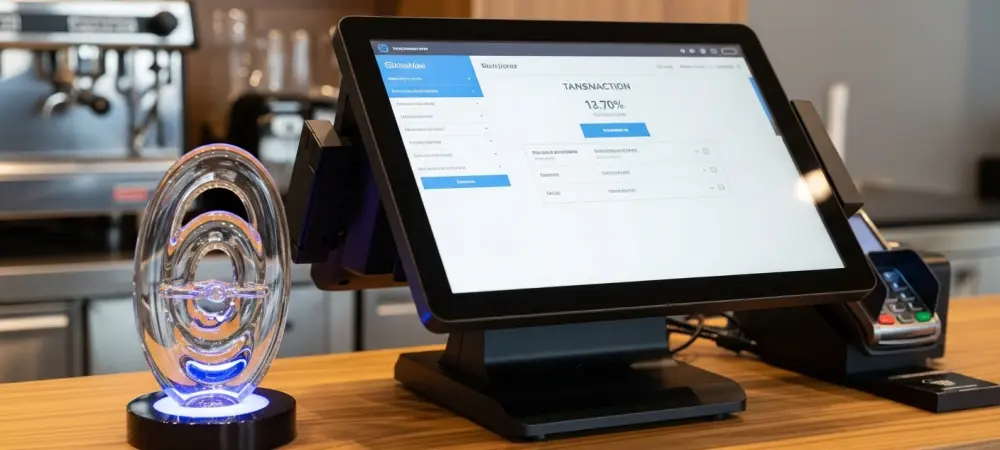
The quaint, tree-lined streets of Los Gatos are currently witnessing a sophisticated technological overhaul as traditional storefronts swap their legacy registers for integrated digital ecosystems. This transition represents far more than a simple change in hardware; it is a fundamental reimagining of how local commerce functions in a high-tech corridor where consumer expectations are dictated by speed and seamlessness. While the initial push toward touchless interfaces was born out of necessity during previous global health concerns, the momentum has not slowed down in the current economic landscape of 2026. Instead, merchants have realized that the infrastructure allowing for mobile wallets and instant digital invoicing is the primary factor keeping them competitive against massive e-commerce conglomerates. By prioritizing these advancements, small business owners are effectively bridging the gap between the personalized service of a boutique and the efficiency of a global platform.
The Shift Toward Frictionless Commerce
Streamlining Local Business Operations
The adoption of modern payment systems has fundamentally altered the daily workflows of boutique owners and restaurateurs throughout the downtown district. Rather than spending hours reconciling physical receipts and managing cash deposits, business leaders are utilizing automated back-end systems that sync sales data directly with accounting software in real-time. This level of integration is no longer a luxury but a vital tool for survival, as evidenced by recent industry data indicating that over 90 percent of small businesses find digital tools essential for their financial health. By reducing the time spent on manual administrative tasks, staff members are freed up to focus on customer engagement and high-value service, which remains the hallmark of the Los Gatos shopping experience. Consequently, the operational overhead associated with handling physical currency has decreased, allowing these local entities to reinvest those savings into better inventory and enhanced storefront aesthetics.
Furthermore, the data generated by these digital platforms provides merchants with unprecedented insights into consumer behavior and inventory management. Instead of relying on anecdotal evidence or end-of-month tallies, shop owners can now track peak shopping hours and popular product categories with surgical precision. This allows for more accurate staffing schedules and smarter purchasing decisions, which is particularly crucial for smaller operations that function on thin margins. The ability to issue digital invoices and accept payments through mobile applications has also extended the reach of service-based businesses, such as local artisans and interior designers, who can now finalize contracts and collect fees on-site without the delays of traditional billing. This shift toward a more agile financial structure ensures that the local economy remains robust and responsive to the fluctuating demands of a tech-savvy population that rarely carries a physical wallet.
Emerging Financial Technologies
While standard credit card processing remains a staple, a more profound transformation is occurring through the exploration of blockchain-adjacent payment methods and decentralized finance. Local merchants have observed the success of these secure, instant transaction models in other high-growth sectors and are beginning to implement similar frameworks to bypass traditional banking delays. This move toward alternative rails is driven by a desire for lower transaction fees and faster settlement times, which are often hindered by the legacy architecture of larger financial institutions. By adopting platforms that support a wider variety of digital assets, Los Gatos retailers are positioning themselves at the forefront of a movement that treats financial flexibility as a core competitive advantage. This progressive stance helps attract a demographic of younger, affluent residents who have largely moved away from conventional banking in favor of more modern, transparent digital alternatives.
The practical application of these technologies is grounded in a commitment to security and transparency rather than mere speculation or novelty. Retailers are increasingly utilizing encrypted ledgers to manage high-value transactions, ensuring that both the business and the consumer are protected from the growing sophistication of financial fraud. This technological pivot has moved beyond theoretical discussions and into the realm of daily utility, as merchants find that these systems offer a level of reliability that traditional methods struggle to match. As the community becomes more accustomed to these varied payment options, the friction traditionally associated with large purchases is disappearing, replaced by a streamlined process that validates and completes transfers in seconds. This evolution reflects a broader trend where the lines between local retail and global fintech continue to blur, creating a more resilient and forward-thinking marketplace for all participants.
Navigating the New Economic Reality
Strategic Implementation and Risk Management
Transitioning to a digital-first model requires a meticulous approach to cybersecurity and a deep understanding of the evolving regulatory environment. Business owners in Los Gatos are currently navigating the complexities of digital disputes and chargebacks, which require a different set of management skills than the traditional cash-based challenges of the past. To address these concerns, local merchants are partnering with specialized payment processors that offer robust fraud detection and automated resolution tools. This proactive stance on security is not just about protecting the bottom line; it is about maintaining the trust of a loyal customer base that expects their financial data to be handled with the utmost care. By selecting platforms that prioritize end-to-end encryption and multi-factor authentication, retailers are ensuring that the convenience of digital payments does not come at the expense of consumer safety or institutional integrity.
Effective management also involves a clear-eyed assessment of the cost-benefit ratio of different payment partners and the fees they impose. As digital transactions are projected to dominate nearly 80 percent of the market by the end of the decade, the ability to negotiate favorable terms and understand the nuances of processing agreements has become a critical skill for any business owner. Merchants are no longer passive recipients of financial services; they are active participants who demand transparency and value from their providers. This shift in the power dynamic has led to a more competitive landscape among fintech companies, resulting in better features and more tailored solutions for small-scale operations. By staying informed about the latest security protocols and fee structures, the Los Gatos business community is building a sustainable framework that supports long-term growth while minimizing the risks associated with the rapid pace of technological change.
Sustaining Growth in a Cashless Society
The transition toward a fully digital economy in Los Gatos provided a blueprint for how traditional communities adapted to the rapid pace of financial innovation. Business owners successfully integrated tap-to-pay systems and mobile invoicing into their daily routines, which significantly improved transaction speeds and reduced human error during the checkout process. These leaders recognized that the move away from cash was not merely a trend but a fundamental shift in the way society engaged with value and commerce. By investing in secure hardware and training staff to handle digital disputes efficiently, the local retail sector fortified its position against larger competitors. The implementation of these tools allowed for a more personalized shopping experience, as the technology handled the logistics while the humans focused on the relationship. Merchants who embraced this change early found themselves better equipped to handle the demands of a high-tech consumer base.
Looking forward, the success of this digital migration depended on a continuous commitment to staying current with emerging security standards and payment protocols. Retailers were encouraged to regularly audit their financial software to ensure compliance with updated data protection laws and to explore even more efficient settlement layers. This proactive management ensured that the local economy remained resilient and that the convenience of digital spending did not lead to unforeseen vulnerabilities. By maintaining a balance between technological efficiency and the high-touch service characteristic of Los Gatos, the business community proved that modernization and tradition could coexist. The next logical step involved deep-diving into loyalty programs integrated directly into payment apps, which provided a more cohesive way to reward frequent customers. This strategic focus on long-term digital health ensured that the downtown district remained a vibrant and competitive hub for years to come.