

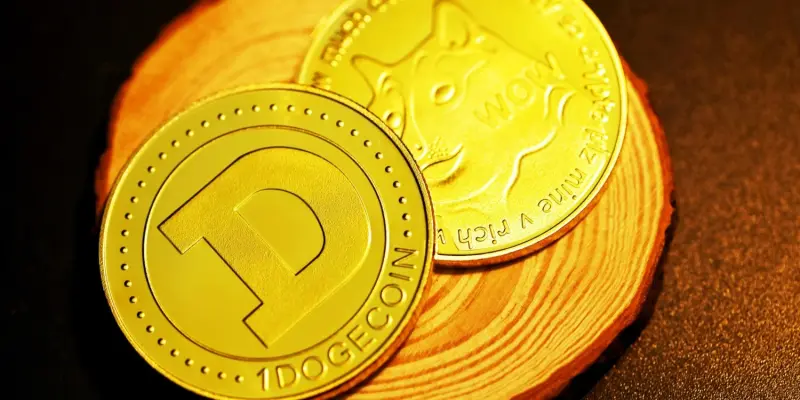
The cryptocurrency landscape has evolved significantly in recent years, and Dogecoin’s journey epitomizes this transition. Once the subject of speculative ventures largely influenced by high-profile endorsements, Dogecoin is now gradually gaining recognition beyond its original narrative. This evolution is notably marked by robust trading activity that persists despite potential leadership changes at Tesla. Early speculations about Elon Musk’s possible exit had less impact on the cryptocurrency’s standing, signaling that investor sentiment is becoming more sophisticated and less reliant on celebrity backing. Tesla’s sustained acceptance of Dogecoin for certain transactions underscores its ongoing influence but does not overshadow Dogecoin’s stable value. Despite minor daily price fluctuations, the digital asset has proven resilient in maintaining a consistent trading value. These developments indicate Dogecoin’s emerging distinction as a cryptocurrency holding its own in a rapidly transforming market.
The Growing Institutional Appeal
Potential Impact of a Dogecoin ETF
As the crypto industry matures, Dogecoin stands at the forefront of a significant trend—growing institutional interest. A key development illustrating this is the movement toward establishing a Dogecoin ETF. Analysts from Bloomberg project an 80% chance of the Securities and Exchange Commission granting approval to such an ETF by the end of the year. This move could symbolize a remarkable leap for institutional recognition, granting Dogecoin enhanced legitimacy and appeal akin to established cryptocurrencies like Bitcoin. The recent submission by Nasdaq of a filing with the SEC represents a significant milestone, signifying active steps toward expanding Dogecoin’s market presence. Such an ETF could prove transformative, potentially attracting institutional investors who previously steered clear due to Dogecoin’s perceived instability.
Large-Scale Investment Trends
Additionally, structural market data reveals notable whale activity, characterized by the accumulation of over 100 million DOGE—a testament to sustained interest from large-scale investors. This trend underlines increasing confidence in Dogecoin as a viable investment option among larger financial entities. Institutional investors often prioritize stability and growth potential in their portfolios, thus their continued engagement with Dogecoin sets the stage for the cryptocurrency to secure its place within broader financial markets. These investments not only highlight Dogecoin’s increasing acceptance but also bolster its reputation among conventional investors, gradually shedding its image as merely a speculative asset. Such trends could bolster Dogecoin’s position as a credible and potentially profitable venture within institutional circles.
Technical Dynamics and Stability
Price Trends and Resilience
Dogecoin’s technical trading dynamics further affirm its stability in the volatile cryptocurrency sector. Despite minor fluctuations, Dogecoin’s price charts indicate a consistent value trajectory, suggesting a maturation phase that is less susceptible to abrupt changes prompted by speculative events. Projections point toward possible upward movements, contingent on surpassing critical resistance levels. This growing resilience is noteworthy, particularly in a landscape where financial assets can vastly oscillate under external influences. Investors may see Dogecoin’s gradual stability as a positive aspect, reassuring those concerned with the inherent risks associated with cryptocurrencies.
Overcoming Speculative Disruptions
The overarching consensus indicates that Dogecoin is successfully navigating a phase marked by maturation and institutional acceptance, where resilience amid market speculation is becoming a defining trait. This transition aligns with the shifting perception of Dogecoin, from a meme coin to a potential long-term investment asset, illustrating a community united by growing stability and promising advancements. Tesla’s influence remains apparent, yet Dogecoin managed to sustain its foothold, suggesting resilience beyond Musk-driven narratives. The convergence of diverse perspectives points to an increasingly balanced depiction of Dogecoin’s market presence, emphasizing both current fortitude and progressive strides in achieving institutional growth.
Looking Towards the Future and Institutional Growth
Dogecoin continues to display steady technical trading dynamics, affirming its stability within the often unpredictable crypto world. While experiencing minor price fluctuations, Dogecoin’s price charts consistently demonstrate a pattern of gradual progression, hinting at a maturation phase. This phase makes it less vulnerable to abrupt changes driven by speculative events, a common occurrence in the crypto space. Analysts suggest that if Dogecoin breaks key resistance levels, there’s potential for upward movement, adding excitement for investors. Such resilience is particularly notable in a sector where financial assets frequently experience significant swings due to external influences. For investors wary of the typical volatility seen with cryptocurrencies, Dogecoin’s increasing stability offers reassurance and could be seen as a favorable development. This evolving dynamic makes Dogecoin an interesting prospect for those keen on exploring the cryptocurrency market without being wholly exposed to its niche risks.