

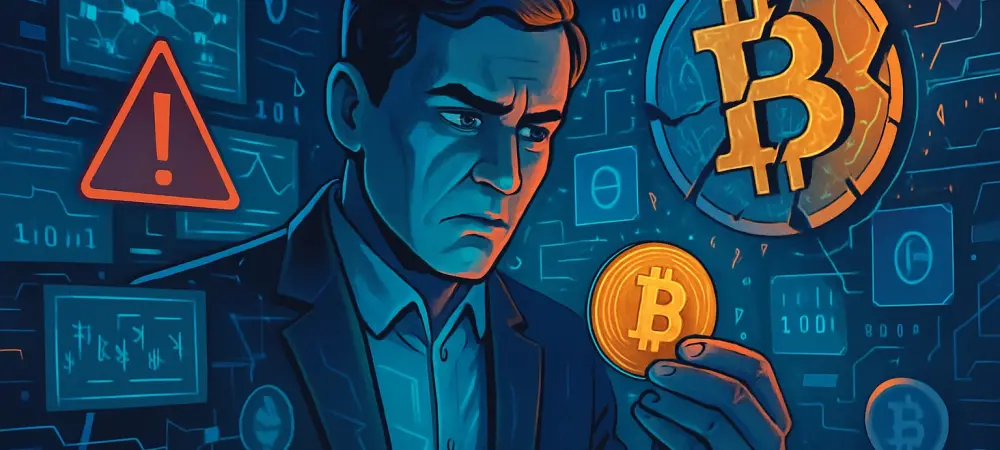
In a world where digital currencies promise a financial revolution, the cryptocurrency market often feels like a high-stakes gamble with both incredible wins and devastating losses on the line. Just as Binance’s BNB token soared past $1,000, a staggering $200 million Ponzi scheme orchestrated by Praetorian Group International (PGI) shattered the dreams of 90,000 investors. This dramatic clash of triumph and tragedy raises a pressing question: can an industry riding waves of innovation overcome the shadows of fraud that threaten its credibility?
The Stakes of Crypto’s Wild Ride
The significance of this story lies in its reflection of cryptocurrency’s dual nature. On one hand, institutional acceptance is growing, with regulatory milestones like the SEC’s approval of Grayscale’s multi-crypto fund signaling a shift toward mainstream legitimacy. On the other hand, devastating scams like the PGI fraud expose vulnerabilities that could derail public trust. This tension between progress and peril is not just a headline—it’s a critical turning point for an industry striving to redefine global finance, making it essential to examine whether crypto can rise above its darkest moments.
Breakthroughs Marred by Betrayal
The cryptocurrency landscape in 2025 is a rollercoaster of historic highs and gut-wrenching lows. BNB’s climb to $1,004, driven by Binance’s reported negotiations to resolve past legal oversight, showcases the market’s potential for explosive growth, with its market cap briefly hitting $140 billion. Such milestones hint at a maturing ecosystem where major players can weather storms and emerge stronger, capturing the attention of investors worldwide.
Yet, in the same breath, the PGI scandal unveils a grim reality. CEO Ramil Ventura Palafox admitted to defrauding investors of $200 million by promising daily returns of 0.5% to 3%, only to siphon funds for personal luxuries like real estate and jewelry. With $62.7 million in direct losses, this Ponzi scheme echoes past disasters, reminding the industry that unchecked greed can undo years of progress in an instant.
The Deep Impact of a Massive Fraud
Fraud in cryptocurrency is not a new story, but the scale of the PGI case strikes a raw nerve. Affecting 90,000 individuals globally, the scheme exploited the allure of quick profits, leaving many with shattered life savings. This incident undermines confidence at a time when digital assets are gaining traction among institutional investors and everyday users alike, casting a long shadow over the industry’s push for broader acceptance.
Compounding the issue is the timing. As the SEC approves groundbreaking products like Grayscale’s $915 million Digital Large Cap Fund, scams of this magnitude highlight the urgent need for oversight. The clash between regulatory strides and persistent fraud creates a trust deficit, challenging the notion that crypto can be a safe haven for modern finance in an increasingly digital world.
Innovation Versus Risk in Sharp Focus
Digging deeper, the crypto ecosystem reveals a battleground of innovation and pitfalls. Ripple’s RLUSD stablecoin, now boasting a $729 million market cap with projections to surpass $1 billion, exemplifies how partnerships with giants like DBS Bank are paving the way for reliable digital payments, especially in emerging markets like Africa. These advancements signal a future where crypto could stabilize volatile economies.
Contrast this with the volatility of Bitcoin ETFs, which saw a net outflow of $51.28 million in a single day, despite BlackRock’s iShares Bitcoin Trust amassing lifetime inflows of $60.4 billion. Such fluctuations underscore the unpredictable nature of institutional interest, where confidence can shift overnight. Meanwhile, the PGI fallout serves as a stark reminder that technological leaps cannot outrun the human element of deceit, keeping the industry on edge.
Expert Insights on a Fractured Path
Voices from the field offer a mixed outlook on crypto’s trajectory. SEC Chairman Paul Atkins praised the approval of Grayscale’s multi-asset fund as “a pivotal move toward expanding investor access,” reflecting optimism about regulated growth. Market analysts echo this sentiment, forecasting RLUSD’s potential to dominate stablecoin demand in underserved regions, a trend that could redefine cross-border transactions.
However, the human toll of fraud cannot be ignored. Stories from PGI victims reveal heartbreaking losses, with some losing entire retirement funds to false promises. These personal accounts, juxtaposed with technical data like BNB’s support level at $1,000, paint a fuller picture: while the market shows resilience, rebuilding trust requires addressing the pain points of those burned by betrayal, a challenge that regulators and industry leaders must confront head-on.
Charting a Safer Course for Crypto Engagement
For investors eyeing the crypto space, caution is paramount. Thorough vetting of platforms—ensuring they comply with regulations and maintain transparent operations—can help avoid traps similar to PGI’s deceptive model. Diversifying into stable assets like RLUSD or diversified funds like Grayscale’s offerings provides a buffer against the market’s wild swings, offering a more balanced approach to risk.
The industry itself must advocate for robust yet innovation-friendly oversight. Streamlined SEC guidelines could deter fraud without stifling creativity, fostering an environment where trust and progress coexist. Staying attuned to market signals, such as BNB’s resistance at $1,005, also equips stakeholders to navigate shifts proactively. These practical steps, if embraced, could steer crypto toward a more secure and sustainable horizon.
Looking back, the journey through crypto’s highs and lows revealed a landscape of immense potential scarred by preventable failures. The triumphs of BNB’s record price and RLUSD’s rapid adoption stood as beacons of what could be achieved, while the PGI scandal served as a harsh lesson in vigilance. Moving forward, the path demanded not just innovation, but a collective commitment to safeguarding trust—through smarter regulations, informed investing, and a relentless focus on rooting out fraud. Only then could the promise of digital currency transform from a gamble into a cornerstone of financial evolution.