

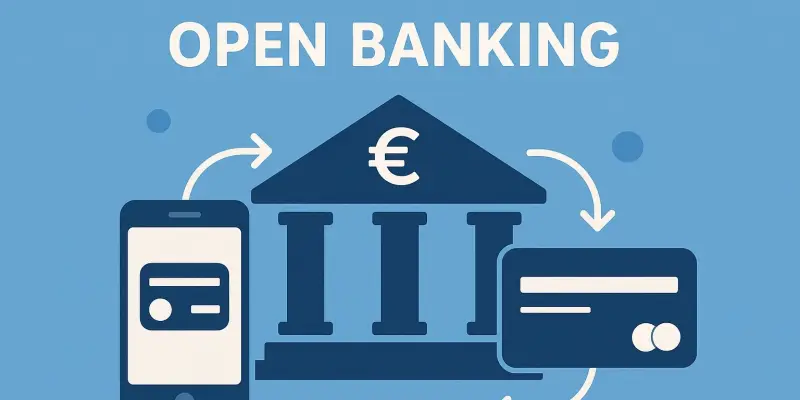
The European open banking landscape has evolved rapidly over recent years, driven by technological advancements and regulatory changes. Financial institutions strive for enhanced efficiency and security in payment processes, shaping a competitive sector that fosters innovation. The strategic investment by HSBC in the fintech company Token.io signifies a pivotal moment highlighting the ongoing transformation within the payment ecosystem.
Current Landscape of European Open Banking
European open banking has transformed markedly, with increasing acceptance of account-to-account (A2A) payment systems. Leveraging technology, this industry creates seamless payment processes, removing intermediaries and focusing on consumer needs. Collaborations among industry leaders like HSBC and Token.io illustrate a commitment to reshaping transactions and generating robust digital payment solutions. Regulatory frameworks, such as the second Payment Services Directive (PSD2), have laid the foundation for transparent, secure, and client-focused banking practices, significantly influencing industry dynamics. Innovations and collaborations power the growth of European open banking. Industry players capitalize on technological advancements, creating strategic alliances to amplify service offerings. HSBC’s partnership with Token.io, initiated in 2019, underlines the importance of fintech integration to foster effective payment solutions. Regulatory standards ensure consumer protection and security, compelling the adoption of innovative approaches. Compliance with these regulations fuels industry growth and fosters consumer trust, essential for sustained engagement.
Emerging Trends and Growth Projections in Open Banking
The European open banking industry is witnessing a surge in emerging technologies, heralding transformative shifts in consumer behavior and payment practices. As digitalization accelerates, consumers increasingly gravitate toward efficient solutions like “Pay by Bank,” highlighting a preference for direct, secure transactions. Innovations such as artificial intelligence and machine learning play vital roles, offering personalized banking experiences that meet evolving consumer expectations and preferences. Market opportunities drive industry expansion, with fintech innovations paving the way for a significant reshaping of payment methodologies.
Present market performance indicates robust growth, with forecasted payment volume increases portraying a promising trajectory. Analysts project that by 2029, a substantial majority of Europeans will regularly engage with open banking solutions like “Pay by Bank,” making it the second most favored digital payment method for e-commerce. Strategic investments by banking giants further bolster industry prospects, signaling a consensus on open banking’s transformative capacity. Growth projections redefine traditional payment landscapes, enhancing accessibility and reliability for consumers and businesses alike.
Challenges and Complexities in Open Banking
Open banking faces multifaceted challenges, encompassing technological adaptations and market exigencies. Technical hurdles often stem from integrating advanced systems, requiring seamless compatibility with existing infrastructure. Additionally, market-driven challenges emerge as industry players navigate competitive pressures and consumer demands. Navigating these complexities requires strategic approaches, leveraging innovative solutions to address integration concerns and facilitate optimal functionality.
Regulations pose significant challenges, with financial institutions grappling with compliance requirements. Adhering to stringent standards necessitates comprehensive frameworks and secure solutions. Regulatory compliance demands constant adaptation, placing pressure on institutions to maintain robust security measures. Strategic collaborations and technological innovations serve as potential solutions, enabling institutions to meet regulatory expectations while fostering industry advancement.
Regulatory Landscape in European Open Banking
The European regulatory landscape undergoes continuous modifications, shaping the operational framework for open banking practitioners. Legislation such as PSD2 introduces rules and standards that necessitate robust compliance and data protection measures. Such regulations reinforce secure consumer interactions, encouraging industry adherence to transparent practices.
Compliance and security remain paramount in ensuring the integrity of open banking processes. Financial institutions prioritize data protection and secure transaction methodologies, safeguarding sensitive consumer information. Regulatory impacts drive an ongoing transformation of industry practices, compelling banks to revise operational models for compliance, security, and consumer satisfaction.
Future Directions of Open Banking in Europe
The future of European open banking rests on emerging technologies and shifting consumer expectations. Innovations like blockchain and artificial intelligence offer new potential, disrupting traditional payment models and enabling advanced solutions. Institutions must adapt swiftly to these changes, fostering agility and resilience within their operations.
Consumer preferences and global economic conditions play crucial roles in shaping future directions. An increasing demand for personalized, efficient payment options drives industry players toward innovative solutions, ensuring adaptability and market relevance. Strategic foresight is vital, allowing financial institutions to anticipate trends, capitalize on opportunities, and navigate economic fluctuations.
Conclusion and Industry Outlook
HSBC’s investment in Token.io exemplifies open banking’s transformative potential, marking significant progress and industry alignment. Strategic collaborations position open banking as a key driver, enhancing consumer experiences and fostering secure payment methodologies. Future prospects indicate further growth and investment opportunities, reinforcing open banking’s role in advancing digital solutions and shaping financial landscapes. Industry advancement relies on continued adaptation, regulatory compliance, and embracing technological innovations, ensuring sustained evolution in payment practices and consumer engagement.