

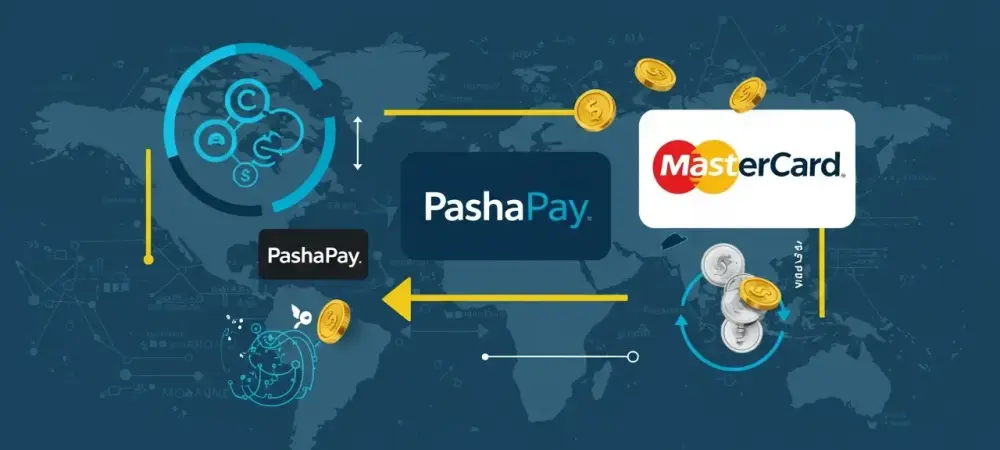
The rapid digital transformation of financial technologies has ushered in a new era for Azerbaijan’s fintech landscape. By integrating cutting-edge solutions with robust security protocols, PashaPay and Mastercard are poised to redefine financial accessibility and innovation across the country. This strategic partnership between a leading local fintech company and a global payment technology giant captures the complexities and opportunities of Azerbaijan’s tech-forward era.
Unleashing a FinTech Revolution
Azerbaijan stands on the verge of a significant fintech revolution, where digital innovation not only challenges traditional banking systems but also offers unprecedented opportunities for socio-economic development. Though the nation’s fintech sector shows promising growth, unexpected data reveals that nearly 40% of residents remain unbanked, highlighting the pressing need for transformation. Visualize a market where every Azerbaijani can effortlessly access financial services, drastically altering everyday transactions and economic interactions.
Strategic Partnership with Global Implications
The collaboration between PashaPay and Mastercard marks a pivotal moment for Azerbaijan, bridging local fintech aspirations with global expertise. This union aims to integrate Azerbaijan more deeply into the international fintech ecosystem. Beyond innovative digital solutions, the partnership promises to drive economic growth by improving financial accessibility. Mindful of cybersecurity concerns, both entities emphasize robust security measures to safeguard user data and prevent fraud. Such reassurances address pressing fears among potential consumers, inviting greater trust and adoption.
Key Elements and Innovations
Central to the partnership are advancements in digital identity verification and fraud prevention technologies, ensuring both security and ease of access for users. The issuance of Mastercard and m10-branded digital products exemplifies the tangible benefits offered, enhancing users’ transaction experiences. Additionally, cross-border payments—crucial for an increasingly globalized world—benefit from streamlined processes, allowing Azerbaijani users to transact securely with international affiliates. As these innovations roll out, the local fintech ecosystem experiences a significant uplift, fostering enhanced financial operations.
Insights from Industry Authorities
The vision behind the PashaPay-Mastercard collaboration is clear: transform financial landscapes through cutting-edge innovation and global cooperation. Senior leadership from both firms consistently express confidence in Azerbaijan’s potential to emerge as a fintech leader. During industry conferences like Money 20/20, insights from fintech research underscore Azerbaijan’s promising market development. Such events reflect the growing importance Azerbaijan holds within the global fintech community, highlighting increased engagement and exploration.
Practical Frameworks for Growth
To harness the full potential of the partnership’s innovations, actionable strategies must be implemented. Local businesses stand to benefit from enhanced payment services through digital tools, adapting to modern demands with improved efficiency. Cybersecurity, a paramount concern, requires specific frameworks addressing local challenges to ensure fortified protection against potential threats. As these practices are embraced, Azerbaijan’s fintech ecosystem gains momentum, propelling the nation toward forward-thinking economic strategies and opportunities.
Reflecting on the Path Forward
As PashaPay and Mastercard continue their collaboration, Azerbaijan’s fintech sector is poised for significant advancements that stand to transform the nation’s financial landscape. By harnessing regional insights paired with global execution, both companies are setting a foundation for inclusive growth through innovative financial solutions. Stakeholders must consider evolving cybersecurity measures and remain agile in the face of dynamic shifts within the fintech realm. Ultimately, this partnership holds the key to a new era of financial empowerment for Azerbaijan.