

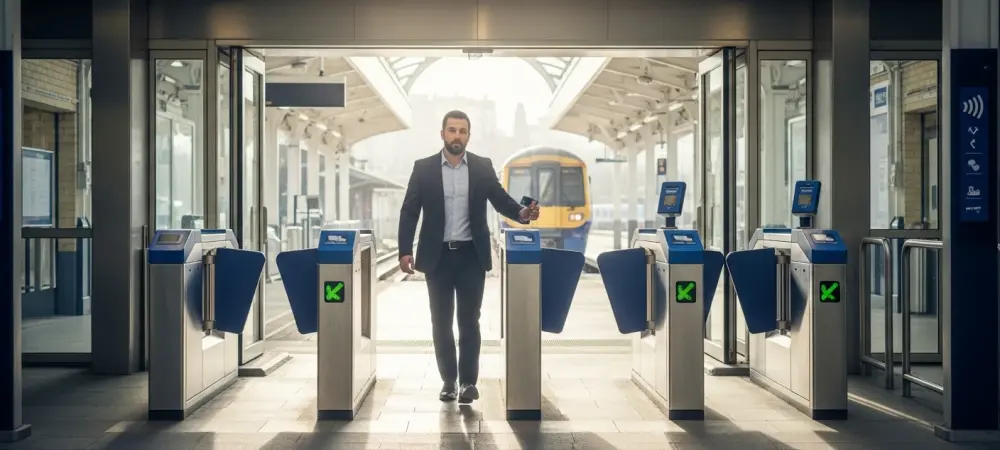
The arrival of a train at a platform often triggers a frantic search for paper tickets or the opening of specific digital applications, but this traditional stress is rapidly becoming a relic of the past across the Welsh rail network. Transport for Wales is currently revolutionizing the commuter experience by implementing a sophisticated contactless pay-as-you-go system that eliminates the need for physical ticket offices or pre-purchase planning. By simply tapping a bank card or a mobile wallet against a reader, passengers can navigate their journeys with the same ease as buying a cup of coffee. This technological leap utilizes an intelligent backend infrastructure that tracks the entry and exit points of every traveler, automatically calculating the most economical fare based on the specific route taken. This shift does more than just save time; it fundamentally democratizes access to rail travel by removing the price confusion and technical barriers that often discourage occasional riders from utilizing public transportation for their daily needs.
Expansion Into the North East Corridors
Building on the established success observed in South East Wales, where the network has already processed over 4.5 million individual journeys since its inception, the initiative has now moved into a critical second phase targeting the North East and border regions. This expansion covers 15 key stations, including vital hubs like Wrexham General, Wrexham Central, Bidston, and Shotton High Level, creating a seamless link for those moving between residential areas and industrial centers. The integration of this “tap in, tap out” logic ensures that the price a passenger pays is capped at the best available rate, protecting them from the financial penalties of choosing the wrong ticket type during peak hours. This phase represents a strategic effort to modernize transit in areas that have historically relied on more rigid ticketing structures. By prioritizing flexibility and local accessibility, the regional authorities are making a concerted effort to shift the public’s preference from private vehicles to a more sustainable, high-tech rail solution that fits the pace of modern professional life.
Navigating the Challenges of Regional Integration
Despite the undeniable progress in digital adoption, the current implementation highlights a transition period where regional zones remain somewhat siloed within the broader national infrastructure. At present, the contactless payment systems in the North East and South East operate as independent geographical bubbles, meaning that a passenger cannot yet use the tap-to-pay method for a continuous journey between these two distinct territories. Furthermore, travelers must remain diligent about using the same physical device for both the start and end of their trip; using a smartphone to tap in and a physical card to tap out would result in two separate incomplete journey charges rather than a single unified fare. Looking toward the immediate future, the logical progression for the rail industry involves the harmonization of these regional databases to allow for nationwide contactless travel. Transit authorities must now focus on expanding these digital borders and refining the software to recognize multi-modal transfers, ensuring that the convenience found in local commutes eventually extends to every corner of the rail network.