

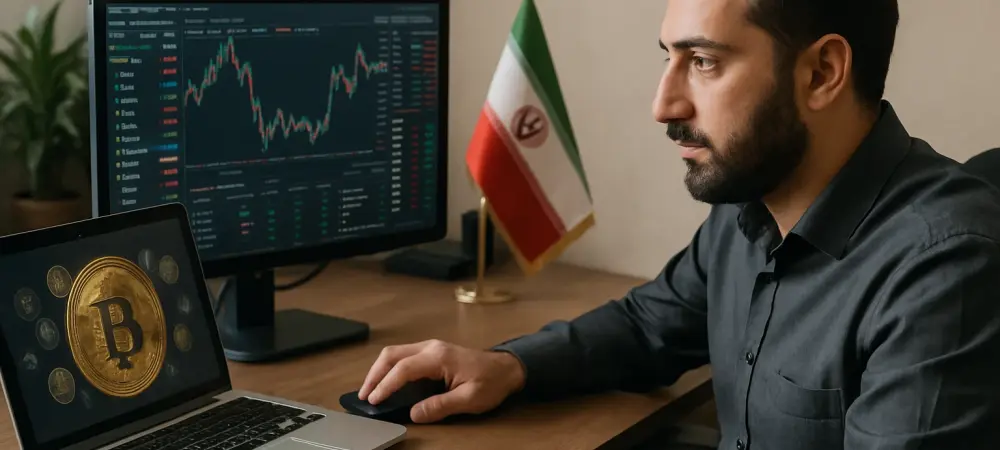
Diving into the dynamic world of cryptocurrency in Iran, I had the privilege of speaking with a seasoned expert in the field. With years of experience navigating the complexities of digital asset trading, they offer a unique perspective on the evolving landscape of crypto in Iran. Today, we’re focusing on the role of Bitpin, a prominent exchange in the region, and exploring broader themes like security, transparency, and the future of crypto adoption in this vibrant market. Our conversation touches on the challenges and opportunities shaping the industry, the innovative approaches Bitpin takes to build trust, and the tools empowering Iranian traders.
How would you describe the current landscape of the cryptocurrency market in Iran?
The crypto market in Iran is buzzing with potential, with millions of people exploring digital assets as an alternative to traditional finance. It’s driven by a mix of economic necessity and curiosity, especially given the local currency’s volatility. However, it’s not without its struggles. Trust is a big issue due to past incidents with some exchanges, and regulatory uncertainty keeps many on edge. Despite this, there’s a growing appetite for reliable platforms that can offer security and clarity.
What do you see as the most significant opportunities for crypto adoption in Iran right now?
The opportunities are immense, particularly because of Iran’s economic challenges. Crypto offers a way for people to hedge against inflation and access global markets despite sanctions. There’s also a young, tech-savvy population eager to embrace new financial tools. If platforms can build trust and provide accessible education, we could see even faster adoption, especially for everyday transactions and remittances.
What are some of the major hurdles facing the Iranian crypto market today?
The biggest hurdles are trust and regulation. Many traders have been burned by platforms with poor security or shady practices, which makes them hesitant. On top of that, the lack of clear government policies creates a gray area—people don’t know if they’re fully protected or if rules might change overnight. Infrastructure issues, like internet reliability, also play a role in slowing down progress.
How does Bitpin position itself within this challenging environment?
Bitpin has carved out a space by focusing on what traders need most: security and transparency. Unlike some platforms that chase quick growth, Bitpin prioritizes building a solid foundation. They’ve invested in robust technical safeguards and clear communication to reassure users. Their mission seems to be about creating a dependable space where Iranians can trade with confidence, even in a volatile market.
What sets Bitpin apart from other crypto exchanges in Iran?
Bitpin stands out with its emphasis on user trust through practical features. Their security measures, like advanced encryption and cold wallet storage, are a cut above many local competitors. They also focus on transparency with fees and real-time pricing, which isn’t always the norm here. Plus, their user-friendly tools, like a mobile app for both beginners and pros, make trading more accessible in a market where usability often lags.
Can you elaborate on the security features that Bitpin uses to protect its users?
Absolutely. Bitpin employs top-tier measures like TLS 1.3 encryption to secure data during transactions, ensuring that user information isn’t easily intercepted. They store most assets in cold wallets, which are offline and far less vulnerable to hacks. Two-Factor Authentication adds an extra layer of protection for accounts, and they’ve got ongoing monitoring systems to spot and tackle risks as they arise. It’s a comprehensive approach that’s critical in a market with a history of breaches.
How does Bitpin ensure transparency, especially when it comes to fees and pricing?
Transparency is a cornerstone for Bitpin. They lay out their fee structure clearly so users know exactly what they’re paying for—no hidden surprises. They also provide accurate, real-time market pricing, especially for pairs like USDT to Iranian Rial, which is huge for traders who’ve been misled by inconsistent rates on other platforms. This kind of openness helps build confidence, especially in a market where trust is hard to come by.
What role does user experience play in Bitpin’s strategy, particularly with tools like their mobile app?
User experience is central to Bitpin’s appeal. Their mobile app, available on Android and iOS, is designed to be intuitive for newcomers while still offering depth for seasoned traders. It simplifies onboarding and account verification, which can be a pain point on other platforms. For advanced users, features like API access allow for automated trading strategies. It’s about meeting users where they are, whether they’re just starting out or running complex trades.
How does Bitpin handle communication with users during times of high market volatility?
During volatile periods, Bitpin steps up with consistent updates to keep users in the loop. They focus on clear, timely communication about market conditions or any platform issues, which helps reduce panic. This is crucial in a market like Iran’s, where sudden price swings can spook traders. By being upfront, they help users make informed decisions rather than react out of fear or confusion.
Looking ahead, what is your forecast for the future of cryptocurrency in Iran?
I’m cautiously optimistic. The market has huge growth potential if trust and regulatory clarity improve. Platforms like Bitpin, with their focus on security and user education, could lead the way in normalizing crypto for everyday use. I think we’ll see more Iranians turn to digital assets for financial independence, especially if economic pressures persist. The key will be balancing innovation with stability—building a market that’s both exciting and safe for everyone involved.