

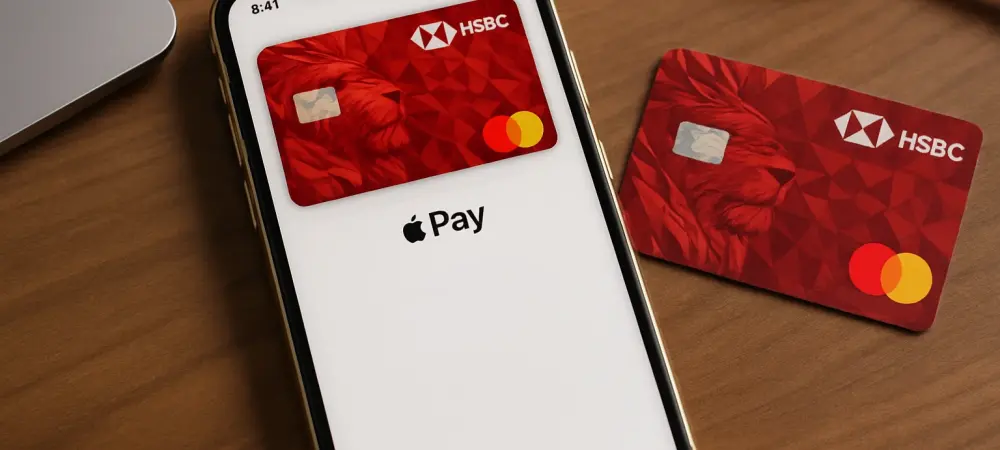
Imagine a world where managing significant purchases becomes as seamless as tapping a smartphone, even when budgets are tight and financial flexibility is more crucial than ever. HSBC UK, a leading banking and financial services provider, has tapped into this vision by rolling out a groundbreaking feature that allows eligible credit card customers to split payments into manageable installments using Apple Pay. This innovative step comes at a time when digital banking is rapidly transforming how consumers handle their finances, addressing the growing demand for adaptable solutions amid economic pressures. By integrating this functionality, the bank not only enhances convenience but also empowers users to take control of their spending with transparency and ease. This development reflects a broader shift in the financial sector toward customer-centric, technology-driven solutions that prioritize both security and simplicity in everyday transactions.
Enhancing Financial Flexibility with Digital Tools
The introduction of installment payments through Apple Pay by HSBC UK marks a significant advancement in how customers can manage larger expenditures without the immediate burden of full payment. Specifically, this feature enables users with an HSBC credit card linked to Apple Wallet to select a “Pay Later” option during online or in-app checkouts on compatible devices running iOS 18.2 or later. Purchases must be valued at £100 or more, targeting substantial transactions that often require budgeting considerations. Customers can then choose from a variety of repayment plans, featuring fixed monthly fees ranging from 1.5% to 8% of the total amount, while avoiding interest on the remaining balance. Transparency remains a cornerstone, as repayment schedules are easily accessible through the HSBC UK mobile app or monthly statements, ensuring users stay informed and in control of their financial commitments. This approach not only simplifies the payment process but also aligns with modern consumer needs for structured, stress-free financial management in a digital landscape.
Prioritizing Security and Industry Trends
Beyond convenience, HSBC UK’s integration of installment payments with Apple Pay underscores a commitment to security and privacy, critical elements in today’s digital payment ecosystem. Apple’s infrastructure ensures that identifiable transaction data is not retained, fostering trust among users wary of data breaches or misuse. This feature also mirrors wider trends in the fintech industry, where banks and financial institutions are heavily investing in technology to streamline money management across personal and commercial spheres. Industry leaders, such as Colin O’Flaherty, head of unsecured lending at HSBC UK, have emphasized the importance of offering smart and secure borrowing options that fit seamlessly into customers’ daily lives. As economic challenges persist, the demand for such flexible, digital-first solutions continues to grow, positioning this initiative as a forward-thinking response to evolving consumer expectations. Looking back, this rollout demonstrated a pivotal moment where technology and finance converged to empower users, paving the way for future innovations in payment systems.