

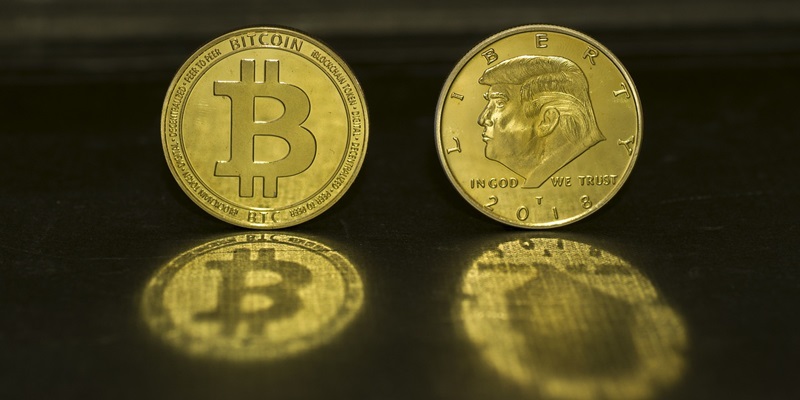
The influence of former President Donald Trump on Bitcoin prices and its broader acceptance as a legitimate financial asset is a fascinating case study. This article delves into the intricate interplay between politics and cryptocurrency value, focusing on how Trump’s endorsements influenced market dynamics, public perception, media coverage, and institutional interest.
Political Endorsement and Immediate Impact
Trump’s Shift in Stance
Former President Trump’s public endorsement of Bitcoin marked a significant shift from his earlier ambiguous views. Initially, in 2020, Trump declared that he was "not a fan" of Bitcoin. However, on July 27, 2024, he made a public statement expressing his intent to transform the United States into the "crypto capital of the planet" and elevate Bitcoin to a global superpower status if re-elected. This endorsement drew substantial attention and enthusiasm from his supporters, sparking renewed interest in Bitcoin. The cryptocurrency, which already had a volatile market, saw immediate effects in its price and overall investment activity.
Trump’s eventual shift in recognizing Bitcoin’s potential marked a notable departure from his previously tepid stance. This acknowledgment helped reduce some existing skepticism surrounding the digital currency, making it more palatable to a wider audience. The significance of a former president endorsing Bitcoin cannot be understated, as it inherently lends credibility to the asset in the eyes of cautious investors and the general public. By advocating for Bitcoin, Trump created a ripple effect that not only boosted its price but also contributed to its elevated status within financial and investment circles.
Market Reaction to Endorsement
Bitcoin’s market reaction to Trump’s statements was immediate and pronounced. Following his endorsement, Bitcoin’s price experienced a noticeable surge, reflecting heightened investor confidence and increased speculative activity. This period saw significant price appreciation, aligning with Trump’s occasional positive remarks about Bitcoin. The cryptocurrency market, known for its extreme volatility, exhibited pronounced price swings influenced by Trump’s statements. This reaction underscores the impact of political figures on market sentiment and highlights the sensitivity of digital currencies to external endorsements.
The surge in Bitcoin’s price following Trump’s endorsement demonstrates the close correlation between political influence and market behavior. Investors’ expectations and speculative actions play a significant role in driving cryptocurrency prices, and Trump’s comments provided a form of validation that spurred buying pressure. This phenomenon is especially relevant given the period from 2020 to 2021, which saw substantial fluctuations in Bitcoin’s value. The endorsement amplified these movements, illustrating how political figures can trigger substantial cycles of optimism and trading within the cryptocurrency market.
Media Coverage and Public Perception
Amplification by Media
The media’s response to Trump’s endorsement played a crucial role in amplifying Bitcoin’s profile. Major news outlets extensively covered Trump’s comments, bringing Bitcoin into the mainstream discourse. This media coverage served as a catalyst for public awareness, drawing in potential investors who may have previously been skeptical or unaware of cryptocurrency’s potential. The portrayal of Bitcoin in the media began to shift towards a more favorable narrative, supported by the recognition of influential political figures.
By reporting on Trump’s endorsement, media outlets inadvertently provided Bitcoin with free marketing, propelling it into the spotlight. The extensive coverage ensured that a wider audience became aware of Bitcoin, sparking curiosity and interest. This renewed focus on Bitcoin allowed the public to become more informed about the digital asset, influencing a broader range of demographics to consider investing in it. The media’s role in shaping public perception cannot be overstated, as its power to inform and persuade contributes significantly to market trends and investment decisions.
Shifting Public Perception
Trump’s words, though not formal endorsements, succeeded in placing Bitcoin under a significant spotlight. The ensuing media buzz ensured broader discussions about Bitcoin, increasing its visibility and contributing to its price rise. The coverage effectively educated the public about Bitcoin, spurring curiosity and investment interest across a diverse range of demographics. This shift in public perception helped dismantle some of the skepticism surrounding Bitcoin, enabling a more favorable narrative among both the public and investors.
The shift in public perception was especially important in addressing the concerns of those who viewed Bitcoin as a fringe or speculative investment. As Bitcoin started to gain traction and visibility through media coverage, the asset began to shed its "risky" label and emerged as a more mainstream investment option. This transition was essential in attracting a diverse investor base, including those who were previously hesitant to venture into the cryptocurrency market. The combination of Trump’s endorsement and media amplification created a fertile ground for Bitcoin’s acceptance and growth.
Broader Acceptance and Institutional Interest
Legitimizing Bitcoin
Trump’s influence extended beyond short-term price movements, affecting the broader acceptance of Bitcoin as a legitimate financial asset. His recognition of Bitcoin during his political career helped mitigate its image as a fringe investment, gradually aligning it with more traditional asset classes. This shift in perception played a crucial role in fostering greater institutional interest in Bitcoin. Large corporations, hedge funds, and even governments began to view Bitcoin as a serious asset class, partly due to the political backing from figures like Trump.
The endorsement from such a prominent political figure helped dismantle previous stigmas and legitimized Bitcoin in the eyes of many investors and regulatory bodies. This growing institutional interest has led to increased investment and innovation within the cryptocurrency space, contributing to its sustained growth and integration into the global financial system. The endorsement of Bitcoin by influential leaders like Trump thus played a pivotal role in transitioning Bitcoin from a niche investment to a credible financial instrument recognized by key economic players.
Institutional Adoption
The broader acceptance and legitimization of Bitcoin by influential figures like Trump have sparked a wave of institutional adoption. Large corporations, hedge funds, and various financial institutions began to recognize the potential of Bitcoin as a serious investment vehicle. This transition marked a shift from viewing Bitcoin as a high-risk asset to considering it part of a diversified investment portfolio. Institutional adoption provided the much-needed infrastructure and capital infusion necessary for Bitcoin’s sustained growth and mainstream integration.
With increased institutional interest came greater market stability and the development of more robust trading and investment platforms. The entry of institutional investors into the Bitcoin market brought with it a level of legitimacy that helped bridge the gap between traditional finance and the cryptocurrency world. This integration has further solidified Bitcoin’s position within the global financial system. The role of influential endorsements in this process underscores the significance of political and institutional support in shaping the future of emerging financial assets.
Long-term Effects and Future Outlook
Establishing Bitcoin’s Position
While Trump’s comments undoubtedly provided a short-term boost to Bitcoin’s price, the long-term effects of his endorsement continue to unfold. Bitcoin has established itself as a significant player in global finance, often compared to traditional assets like gold. The recognition from political figures like Trump has played a part in this evolution, helping to secure Bitcoin’s position as a valuable investment class. The increased comfort levels among investors and analysts in considering Bitcoin as a viable investment option can be attributed to the political backing it received.
This growing confidence has led to higher institutional adoption and more robust market infrastructure supporting Bitcoin. As more prominent figures recognize and endorse Bitcoin, it is likely to see continued growth and acceptance, further solidifying its place within the global economic framework. The long-term impact of endorsements by political figures like Trump demonstrates the lasting influence such support can have on emerging financial technologies. By aligning Bitcoin with more traditional forms of investment, these endorsements have contributed to its sustained market presence and ongoing acceptance.
Continued Growth and Acceptance
The impact of former President Donald Trump on Bitcoin prices and its broader acceptance as a legitimate financial asset is an intriguing subject. This article explores the complex relationship between politics and cryptocurrency value, notably how Trump’s public statements and attitudes toward Bitcoin affected its market behavior. His endorsements and criticisms played a role in shaping market dynamics, influencing public perception, and driving media coverage. Trump’s influence also extended to capturing the interest of institutional investors who closely monitored his views and actions. The intertwining of political rhetoric and digital currency values provides an insightful look into how influential figures can sway financial markets, especially emerging ones like Bitcoin. As a polarizing figure, Trump’s relationship with Bitcoin highlights the significant role that political figures can play in the acceptance and volatility of cryptocurrencies. Understanding this interplay offers valuable perspectives on the future of digital assets in a politically charged environment.