

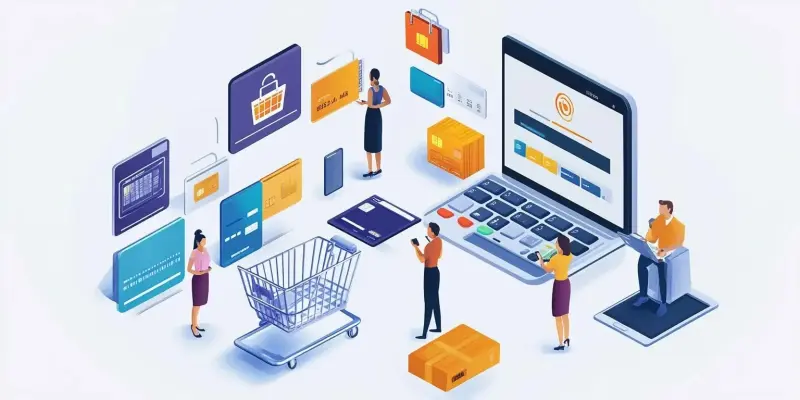
The rapid evolution of customer expectations driven by technological advancements has transformed the payments landscape significantly. Recognizing the need for seamless, integrated shopping experiences across various touchpoints has become crucial for retailers aiming to stay competitive. The concept of an omnichannel payment strategy is essential to meet the modern consumer’s demands for consistency and smooth transactions.
Understanding Omnichannel Payments
The Evolution of Customer Expectations
The shift in customer experiences from distinct catalog shopping and in-store purchases to a unified experience due to the internet and e-commerce has set a new standard for convenience and consistency. Over the last few decades, customers have become accustomed to a seamless integration of all channels in their shopping journeys. These changes are largely due to the rise of e-commerce giants like Amazon, which have normalized the expectation of being able to shop across multiple platforms effortlessly. Today’s consumers no longer tolerate a fragmented shopping experience; they expect a unified, smooth process whether they’re buying in a physical store, through a mobile app, or on a desktop website.
This transformation has placed immense pressure on traditional retailers, who must now ensure that their payment processes are just as seamless as the shopping experience itself. Early retail models separated catalogs and in-store shopping, creating distinct experiences, but the digital age has rendered such separations obsolete. Consumers now demand that the transition between different purchasing platforms – including paying methods – be invisible, requiring retailers to adapt their operations to meet these heightened expectations.
The Role of Technology
Technology has been a key driver in reshaping customer expectations and blurring the lines between in-store and online shopping experiences. Advancements in payment technologies, such as digital wallets, contactless payments, and mobile payment platforms, have been at the forefront of this shift, pushing retailers to integrate their payment solutions to align with evolving consumer preferences. Early systems focused solely on brick-and-mortar operations, but current technologies call for a more cohesive approach that includes all shopping channels. Retailers must recognize the importance of this transition to meet consumer demands and ensure that their payment solutions reflect the seamless experience customers now expect.
The integration of technology in payment systems has allowed for quicker, more efficient transactions, enhancing customer satisfaction and loyalty. For example, digital wallets enable customers to store multiple payment methods and make quick, secure payments with just a tap of their phones. Meanwhile, mobile payment solutions provide the flexibility for customers to pay anytime and anywhere, further eliminating barriers to a smooth shopping experience. Retailers must stay ahead of these technological advancements to maintain a competitive edge and cater to the growing demand for seamless omnichannel payment solutions.
Addressing Inconsistencies in Payments
Challenges in Providing a Unified Experience
Despite retailers’ efforts to integrate various payment systems and provide a consistent experience, inconsistencies still occur, leading to customer frustration. One common issue arises when particular payment methods are accepted in-store but not online, or vice versa. Such discrepancies are often rooted in legacy systems that were never designed with an omnichannel environment in mind, leading to friction during the customer’s buying process. These issues can create significant obstacles for customers who now expect their preferred payment methods to be available regardless of the shopping platform they choose.
For example, a customer might find it inconvenient if a retailer accepts Apple Pay in stores but does not offer the same option for online transactions. Similarly, a buy now, pay later option available on the website but not in physical stores can disrupt the seamless experience that modern customers demand. These inconsistencies not only create a fragmented shopping journey but can also tarnish a retailer’s reputation, leading to reduced customer loyalty and potential loss of sales. Retailers must strive to eliminate these gaps by implementing integrated payment systems that deliver a cohesive and consistent experience across all channels.
The Impact of Siloed Systems
The root of these inconsistencies often lies in the siloed nature of many retailers’ payment processing systems, which handle in-store and online transactions separately. When payment systems are segmented and do not communicate effectively, it becomes challenging to create a seamless experience for customers. Initially, these systems were designed to support in-store transactions, but the surge in e-commerce demanded specialized solutions for online payments. However, this approach led to the adoption of separate processors for different transaction types, resulting in disconnects between in-store and online payment experiences.
To illustrate, a retailer might use one processor for in-store credit card transactions and another for online payments, leading to a disjointed experience for consumers. This separation can result in discrepancies in payment methods, security measures, and customer data handling, ultimately affecting the overall shopping experience. As customers increasingly expect uniformity in their interactions, these siloed systems fall short in providing the seamless convenience they demand. Retailers must address these divisions by implementing integrated solutions that create a unified payment system across all channels, ensuring consistency and satisfaction.
The Importance of Integration
Bridging the Communication Gap
To overcome inconsistencies and create a seamless omnichannel payment experience, it is crucial for retailers to open lines of communication between their disparate systems. Effective integration allows different payment processors and platforms to interact seamlessly, streamlining the payment process for customers. Integration not only aids in processing payments but also helps in managing other critical operations such as inventory and customer behavior analysis. Retailers can offer personalized services, track customer preferences, and manage stock levels more efficiently by ensuring their systems work harmoniously.
Planning for Growth
Building with Future Expansion in Mind
When developing omnichannel payment systems, it’s crucial for retailers to plan with future growth in mind. Building systems with omnichannel capabilities from the outset can save significant time and resources, making it easier to adapt to evolving customer expectations and technological advancements. A forward-thinking approach ensures that the infrastructure is flexible and scalable, capable of accommodating new payment methods and expanding to new markets without necessitating extensive overhauls.
Retailers that anticipate future trends and customer preferences are better positioned to stay ahead of the competition and provide a superior shopping experience. For example, incorporating support for emerging payment technologies like cryptocurrencies or voice-activated transactions can set a retailer apart and attract a tech-savvy customer base. By implementing versatile systems that can seamlessly integrate new payment options, retailers can ensure their payment strategy remains robust and future-proof, facilitating continuous growth and customer satisfaction.
Maintaining a Customer-Centric Approach
Prioritizing Customer Experience
At the core of any successful omnichannel payment strategy lies the prioritization of the customer experience. Retailers must ensure that payment processes are smooth, consistent, and convenient across all platforms to meet the high expectations of modern consumers. A customer-centric approach focuses on eliminating friction points and providing a seamless transaction experience, whether the customer is shopping in-store, online, or through a mobile app. This dedication to customer satisfaction is essential for building loyalty and fostering long-term relationships.
By continuously optimizing payment systems and addressing any issues promptly, retailers can enhance the overall shopping experience and differentiate themselves in a competitive market. Ensuring that payment methods are consistent and easy to use across all channels reduces the risk of cart abandonment and increases customer retention. Retailers must also pay attention to customer feedback and incorporate insights into their payment strategies, making necessary adjustments to meet evolving preferences and demands. A commitment to maintaining a customer-centric approach is crucial for achieving seamless omnichannel payment solutions.
Leveraging Integrated Systems
The rapid evolution of customer expectations, fueled by technological advancements, has significantly reshaped the payments landscape. Retailers now face pressure to provide seamless and integrated shopping experiences across various touchpoints. To remain competitive in this ever-changing market, it is crucial for retailers to address modern consumer demands for consistency and smooth transactions. One key strategy is the implementation of an omnichannel payment approach.
Omnichannel payments ensure that customers enjoy the same level of service and convenience, whether they are shopping in-store, online, or via a mobile app. This approach supports a unified and cohesive shopping experience, fostering customer loyalty and satisfaction. As technology continues to evolve, consumer expectations will only rise further. Implementing an omnichannel payment strategy not only helps meet these growing demands but also positions retailers to adapt to future technological advancements. “By embracing these changes, businesses can stay ahead of their competitors and ensure they meet the evolving needs of their customers effectively.