

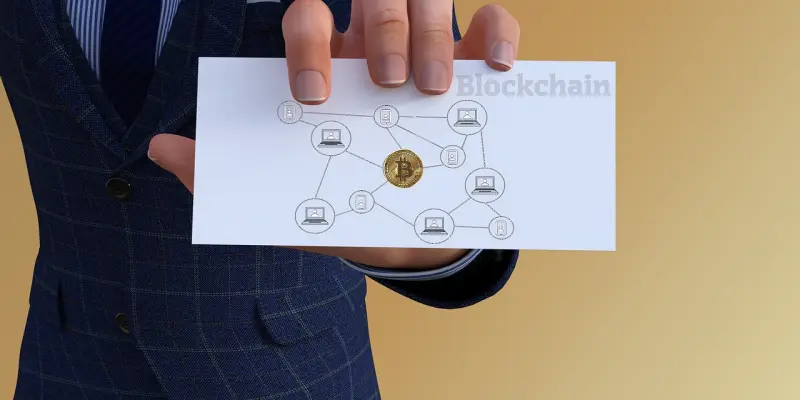
Picture a world where blockchain technology seamlessly handles millions of transactions per second, facilitating everything from financial transactions to securing digital identities without breaking a sweat. As the adoption of blockchain technology steadily increases, the need to scale quickly and efficiently becomes paramount. This is where Layer 2 solutions step in, offering a lifeline to the congested and overburdened Layer 1 blockchain networks like Ethereum and Bitcoin. Presenting a way to enhance scalability, reduce costs, and maintain security, Layer 2 solutions are a pivotal innovation in the blockchain saga.
Understanding Layer 2 Solutions
Layer 2 solutions refer to secondary frameworks or protocols built atop Layer 1 blockchains. These innovative systems process transactions off-chain, significantly reducing the strain on the main blockchain network. By offloading transaction processing from the main chain, Layer 2 solutions alleviate network congestion, enabling faster transactions at a fraction of the cost. They leverage the security of the underlying blockchain to maintain transaction integrity, ensuring that even though transactions are processed off-chain, they remain secure and verifiable.
Key Features of Layer 2 Solutions
One of the primary attributes of Layer 2 solutions is scalability. By processing transactions off-chain, Layer 2 technologies significantly surge the number of transactions per second (TPS) a network can handle. This leads to reduced transaction fees, an important factor in promoting blockchain adoption. Another critical feature is security. Layer 2 solutions inherit the robust security measures from the Layer 1 blockchains, ensuring that off-chain transactions are secure. Furthermore, interoperability is a hallmark of Layer 2 solutions. These protocols can effortlessly interact with other systems and protocols, thus enhancing the overall blockchain ecosystem.
Examples of Layer 2 Solutions
Several prominent Layer 2 solutions currently exist, each bringing its own unique approach to improving blockchain performance. Rollups, for instance, are a popular solution. Optimistic Rollups assume transactions are valid by default and only check for fraud when it is detected, while ZK-Rollups (Zero-Knowledge Rollups) employ cryptographic proofs to verify transactions. State Channels allow two parties to conduct numerous transactions off-chain, with only the resulting transaction recorded on the blockchain. Sidechains are independent blockchains connected to the main chain that handle large transaction volumes, periodically settling results on the main chain. Plasma creates child blockchains that execute transactions off-chain, sending periodic summaries to the main chain for validation.
Benefits of Layer 2 Solutions
One of the most significant advantages of Layer 2 solutions is the ability to enhance scalability without sacrificing security. This crucial balance allows for faster and more affordable transactions, making blockchain technology more accessible for everyday use. By addressing high fees and slow transaction times, Layer 2 solutions help pave the way for mass adoption in various sectors, including decentralized finance (DeFi), non-fungible tokens (NFTs), and supply chain management. Moreover, Layer 2 solutions also contribute to environmental sustainability by reducing the computational load on Layer 1 blockchains, thereby diminishing the energy consumption linked to proof-of-work mechanisms.
Overarching Trends and Consensus
The global consensus is that Layer 2 solutions hold immense potential in addressing the inherent limitations of Layer 1 blockchains. They represent a crucial step towards the widespread adoption of blockchain technology by enhancing transaction speed, affordability, and efficiency. As blockchain technology continues to evolve, the role of Layer 2 solutions will only grow more prominent. These advancements are critical for realizing the full promise of blockchain, enabling its application across various sectors and industries.
Challenges of Layer 2 Solutions
Despite their myriad benefits, Layer 2 solutions do face certain challenges that need addressing. User experience can sometimes be suboptimal, particularly regarding the integration’s complexity and ensuring smooth interoperability among different protocols. However, continuous research and development are underway to bridge these gaps. As the technology matures, solutions promising a more seamless integration within existing blockchain networks are expected to emerge, further simplifying the user experience and enhancing system interoperability.
Main Findings
Layer 2 solutions epitomize a significant technological leap in the blockchain domain, offering a viable path to scale networks, reduce transaction costs, and uphold security. The wide-scale adoption of these solutions is essential for the broader utilization of blockchain technology across various sectors, as they provide the necessary infrastructure to support increasing transaction volumes. As the blockchain landscape progresses, Layer 2 solutions will likely become integral in achieving the full potential of blockchain technology.
Conclusion
Imagine a world where blockchain technology flawlessly manages millions of transactions per second, enabling everything from financial exchanges to the secure management of digital identities without missing a beat. With the growing adoption of blockchain, rapidly and effectively scaling this technology becomes crucial. This is where Layer 2 solutions come into play. These solutions act as a remedy for the overcrowded and sluggish Layer 1 blockchain networks such as Ethereum and Bitcoin. By offering methods to boost scalability, cut costs, and sustain security, Layer 2 solutions emerge as essential innovations in the evolution of blockchain technology.
At its core, Layer 2 operates by handling transactions off the main blockchain (Layer 1), thereby alleviating network congestion and enhancing transaction speeds. The result is a more efficient and cost-effective system, making blockchain technology more accessible and practical for widespread use. As we continue to push the boundaries of what blockchain can achieve, Layer 2 stands as a transformative force, ensuring that the technology remains robust and scalable for future demands.