

Unveiling a Transformative Market Shift
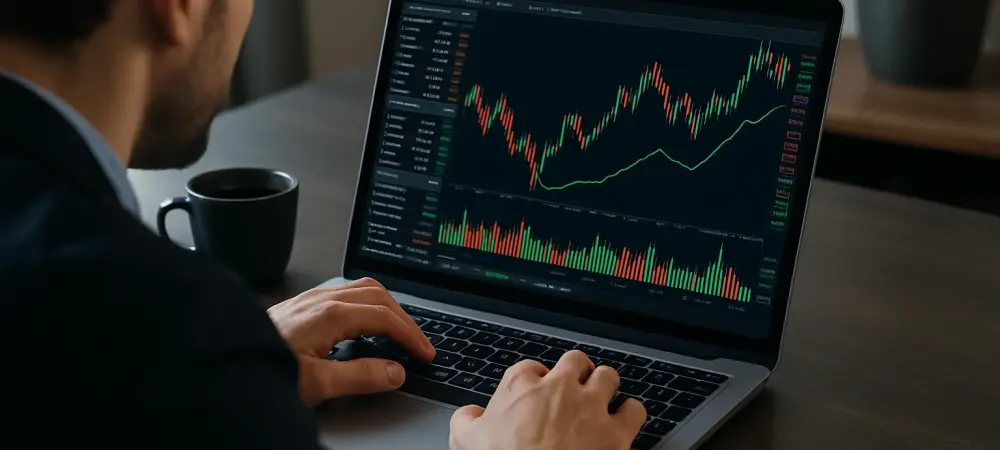
In the dynamic arena of online trading, a staggering reality emerges: over 70% of trades executed on major exchanges today are driven by algorithms powered by artificial intelligence (AI) and automation. This seismic shift is not just a statistic but a testament to how these technologies are fundamentally altering the way markets function, offering traders unparalleled speed and precision. This market analysis dives deep into the transformative impact of AI and automation, exploring current trends, data-driven insights, and future projections. It aims to equip traders with a clear understanding of how these tools are reshaping decision-making and strategy execution, while also addressing the challenges and opportunities they present in today’s fast-paced trading environment.
Decoding Market Trends and Technological Impacts
Superhuman Insights: AI’s Role in Pattern Recognition
AI has emerged as a cornerstone of modern trading by enabling the analysis of vast, unstructured datasets with a precision that surpasses human capability. Unlike traditional methods that rely on historical price charts and basic indicators, AI systems process real-time information from diverse sources, such as social media sentiment on platforms like X, global news feeds, and intricate order book dynamics. Through advanced deep learning, these systems detect nonlinear correlations, identifying subtle connections between geopolitical events and asset price movements, for instance, a sudden spike in oil prices tied to regional tensions. This capability allows traders to anticipate market shifts with calculated probabilities, though the risk of overfitting to historical data remains a concern that demands careful calibration.
The implications of this trend are profound, as AI-driven pattern recognition equips traders with actionable insights at a scale previously unimaginable. Retail and institutional players alike can now access tools that highlight potential opportunities or risks before they fully materialize in price action. However, the reliance on such technology necessitates a balance with human judgment to avoid false signals during anomalous market conditions, ensuring that AI serves as a powerful ally rather than a sole decision-maker.
Precision at Pace: The Power of Algorithmic Execution
Automation in trading has transcended basic order placement to deliver sophisticated, adaptive strategies that optimize execution under live market conditions. Modern algorithms account for factors like volatility spikes, liquidity constraints, and latency variations, ensuring trades are placed at the most favorable points. For example, in high-speed markets such as cryptocurrency or Forex, these systems can split large orders into smaller fragments to minimize market impact or reroute trades to correlated assets for better pricing. This level of precision is critical in environments where milliseconds can determine profitability.
Beyond speed, the adaptability of automated systems offers a strategic edge by allowing customization to match specific trading goals. Traders can implement time-weighted or volume-weighted strategies to align with market rhythms, though risks such as technical failures or unexpected market crashes highlight the need for constant oversight. The data suggests that firms leveraging these tools report significantly lower transaction costs, underscoring automation’s role in enhancing efficiency across trading landscapes.
Adaptive Defenses: Revolutionizing Risk Management
Risk management, once governed by static rules, is being redefined by AI-driven automation that dynamically adjusts to real-time market volatility. These systems recalibrate position sizes, stop-loss thresholds, and portfolio allocations based on immediate data, safeguarding capital during sudden downturns. For instance, during a sharp volatility surge, an AI tool might automatically scale back exposure or diversify holdings to prevent over-concentration in a volatile sector like technology. Such proactive measures act as a virtual safety net for traders navigating unpredictable conditions.
Moreover, automation mitigates the pitfalls of emotional decision-making by enforcing strict discipline, such as pausing trades after a series of losses. While these tools offer substantial protection, they are not immune to rare, extreme events that can outpace even the most advanced algorithms. Market data indicates a growing adoption of such systems, with many platforms integrating AI-based risk alerts, pointing to a broader trend toward smarter, more resilient trading practices that balance technology with strategic foresight.
Projecting the Future: Emerging Trends in Trading Technology
Personalized Strategies Through Generative AI
Looking ahead, the integration of generative AI promises to tailor trading strategies to individual risk profiles and market preferences, marking a significant evolution in personalization. These systems could analyze a trader’s historical behavior and current goals to suggest bespoke approaches, such as optimal asset allocations or timing for entries and exits. Early adoption data shows a rising interest among retail traders for platforms offering such customized insights, suggesting a potential shift toward more user-centric trading solutions over the next few years.
This trend also raises questions about data privacy and algorithmic transparency, as personalized tools rely heavily on sensitive user information. Regulatory bodies are beginning to scrutinize these developments, with projections indicating tighter compliance frameworks by 2027 to ensure fairness. The challenge lies in harnessing generative AI’s potential while addressing ethical concerns, a balance that will likely shape market accessibility and trust in the coming years.
Quantum Computing: A Game-Changer on the Horizon
Another transformative projection is the advent of quantum computing, which holds the potential to process complex market data at unprecedented speeds. Unlike traditional computing, quantum systems could simulate countless scenarios simultaneously, enhancing predictive models for volatility or asset correlations. While still in experimental stages, industry reports suggest that pilot programs in financial markets could emerge within the next decade, offering early adopters a significant competitive advantage.
The implications for online trading are vast, potentially enabling real-time optimization of portfolios across global markets. However, the high cost and technical complexity of quantum integration pose barriers to widespread adoption in the near term. Market analysts anticipate that initial applications will focus on institutional trading before trickling down to retail platforms, highlighting a phased but impactful transformation in how data drives trading decisions.
Reflecting on the Market Evolution
Looking back, the journey of AI and automation in online trading reveals a remarkable transformation, as these technologies have redefined every aspect of market engagement, from pattern detection to risk mitigation. The analysis underscores their role in delivering precision and efficiency, while also highlighting the importance of human oversight to navigate unforeseen challenges. Key implications include the democratization of advanced tools, allowing traders of varying expertise to compete in complex markets. As a next step, stakeholders are encouraged to invest in platforms that integrate adaptive AI features, ensuring they remain agile amid evolving trends. Additionally, staying abreast of regulatory shifts and prioritizing ethical technology use emerge as critical considerations for sustaining long-term growth and confidence in this dynamic landscape.