

In an era where financial transactions are expected to happen at the speed of a click, businesses across the United States are constantly seeking solutions to streamline payouts and enhance liquidity for their recipients. Highnote, a prominent player in the embedded finance and modern card issuance space, has stepped up to meet this demand with a groundbreaking feature that promises near real-time money movement. This innovative addition to their platform not only addresses the urgent needs of gig workers, merchants, and other stakeholders but also sets a new benchmark for efficiency in the fintech industry. By integrating this capability into a unified ecosystem, Highnote is redefining how companies manage the payment lifecycle, ensuring that funds reach their destination faster than ever before. This development is a testament to the growing importance of speed and reliability in financial operations, sparking curiosity about how such advancements will shape the future of business transactions.
Transforming Financial Operations
Streamlining Payouts with Real-Time Solutions
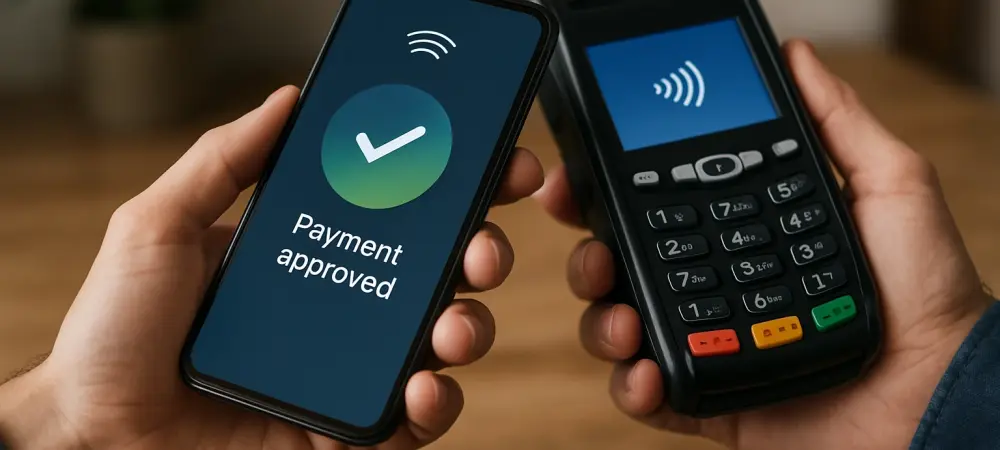
Highnote’s latest feature, known as Instant Payments, marks a significant leap forward in the realm of financial technology by enabling businesses to send near real-time payouts directly from Highnote-issued cards to eligible external debit and prepaid cards. Supported by industry powerhouses Visa Direct and Mastercard Move, this functionality is now available to all subscribers, showcasing a commitment to meeting the dynamic demands of modern enterprises. The ability to facilitate rapid disbursements is particularly beneficial for use cases such as gig worker payments, employee tips, insurance reimbursements, and merchant settlements. By providing faster access to funds, this solution not only improves recipient satisfaction but also enhances liquidity, a critical factor for operational success. The seamless integration into Highnote’s platform eliminates the inefficiencies often associated with traditional payout methods, offering a glimpse into a future where delays in financial transactions could become a relic of the past.
Unifying Payment Management in One Platform
Unlike many competitors who depend on fragmented legacy systems or standalone tools, Highnote embeds its Instant Payments feature within a comprehensive, unified ecosystem that covers issuing, acquiring, credit management, and even a built-in general ledger. This holistic approach allows businesses to oversee the entire payment lifecycle—from initial funding to final disbursement and reconciliation—through a single, adaptable interface. The elimination of the need for multiple integrations or disjointed systems addresses a common frustration among companies, providing a streamlined experience that saves time and resources. Furthermore, the platform’s design ensures that transactions are not only swift but also secure, building trust among users across various sectors. This strategic integration positions Highnote as a forward-thinking solution, ready to adapt to the evolving needs of fintech brands and businesses aiming to stay ahead in a competitive market.
Shaping the Future of Money Movement
Industry Insights on Speed and Security
The consensus among Highnote and its partners, Visa and Mastercard, highlights the critical role of real-time money movement in today’s fast-paced economy. Highnote’s Chief Technology Officer, Kin Kee, has emphasized that this feature is not merely a response to current subscriber demands but a proactive step toward anticipating future market trends. Representatives from Visa and Mastercard have echoed this sentiment, noting the importance of secure and rapid fund transfers in empowering businesses to maintain operational efficiency. Yanilsa Gonzalez-Ore from Visa and Stefany Bello from Mastercard have both underscored how such innovations align with broader industry priorities focusing on scalability and reliability in financial transactions. This shared perspective reflects a growing recognition that speed and security are no longer optional but essential components of modern payment systems, driving a shift in how companies approach financial interactions.
Expanding Horizons with Innovative Payment Rails
Looking ahead, Highnote is committed to further enhancing its platform by incorporating a wide array of payment rails under a single, programmable framework. Future updates will include support for ACH, wires, RTP, FedNow, wallet-based transfers, and even stablecoin funding, all accessible through one API with intelligent routing based on factors like speed, cost, and destination. This ambitious roadmap demonstrates Highnote’s dedication to remaining at the forefront of financial technology by offering versatile solutions tailored to diverse business needs. The ability to adapt and expand payment capabilities ensures that subscribers can navigate an ever-changing landscape with confidence, knowing their platform will evolve alongside market demands. This forward-looking strategy not only addresses immediate payout challenges but also prepares businesses for emerging trends, reinforcing Highnote’s role as a trusted partner in the fintech space.
Reflecting on a Milestone Achievement
Highnote’s introduction of Instant Payments stands as a pivotal moment in the embedded finance sector, addressing the pressing need for speed and efficiency in financial transactions. The successful integration of this feature into a unified platform simplifies the payment lifecycle, setting a new standard for how businesses manage disbursements. With robust support from industry leaders like Visa and Mastercard, Highnote demonstrates a clear vision for innovation that resonates across various industries. This milestone underscores the growing necessity for real-time, secure financial solutions, enabling companies to scale effectively while boosting recipient satisfaction. As the fintech landscape continues to evolve, stakeholders can look forward to exploring Highnote’s expanding capabilities, which promise to further streamline operations and adapt to future challenges. This achievement highlights the potential for technology to transform everyday transactions, paving the way for even greater advancements in the years ahead.