

Traditional street-side stalls and high-end boutiques across the Philippine archipelago are currently navigating a historic transformation as the nation pivots away from a reliance on physical currency toward a comprehensive digital-first economic framework. Government initiatives are set to ensure that digital transactions comprise the vast majority of retail payments from 2026 to 2028, sparking an urgent necessity for local enterprises to modernize their operations. GCash has emerged as a central figure in this financial evolution, prioritizing the development of sophisticated tools specifically engineered to support micro, small, and medium enterprises. By equipping these vital businesses with accessible technology, the platform ensures that even the smallest vendors remain competitive in a landscape defined by rapid innovation. This shift is not merely about convenience; it represents a fundamental restructuring of the domestic economy, where financial inclusion and technological literacy serve as the primary drivers of sustainable growth for independent merchants across the region.
Designing Hardware for Different Business Needs
Tailored Strategies: A Customer-First Approach
Effective digital adoption requires a departure from one-size-fits-all solutions, favoring instead a customer-first approach that respects the diverse operational realities of local merchants. GCash recognizes that the logistical needs of a sidewalk vendor in a provincial market are fundamentally different from those of a mid-sized urban restaurant or a large-scale retail boutique. By providing a broad spectrum of hardware and software payment options, the platform enables merchants to mitigate the physical risks associated with handling large amounts of cash while delivering the seamless experience that contemporary shoppers demand. This targeted innovation ensures that the transition to digital systems serves as a catalyst for business expansion rather than becoming a technical or financial burden for the owner. When businesses can accept payments through a simple scan or tap, they reduce wait times and improve customer satisfaction, which directly translates into higher retention rates and more consistent daily revenue streams.
Integrated Systems: Professional Payment Terminals
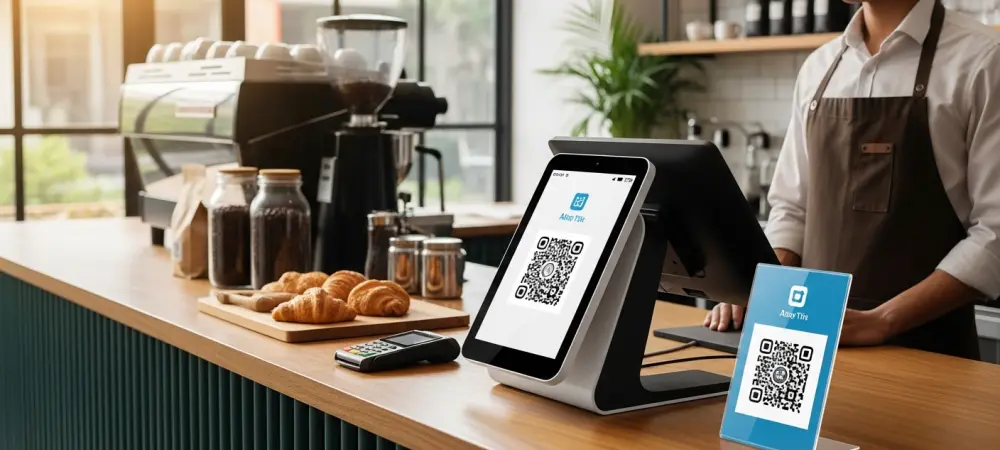
For established businesses that require more robust infrastructure, the deployment of advanced terminals like the EasyPOS system represents a significant upgrade in operational efficiency. This specific hardware integrates both QR code scanning and traditional card payments into a single, user-friendly interface, allowing staff to process diverse transaction types without toggling between multiple devices. Beyond payment processing, these systems assist with essential management tasks by automatically tracking sales data and generating digital receipts, which simplifies end-of-day accounting and inventory monitoring. In environments where speed is critical, such as bustling cafes or peak-hour food stalls, tools like SoundPay Plus offer immediate utility through instant voice confirmation of successful payments. This feature allows employees to continue serving customers without pausing to manually verify transaction screenshots on a personal mobile device, thereby maintaining the flow of business during the busiest periods.
Increasing Accessibility and Operational Control
Mobile Innovation: Contactless Card Solutions
Independent entrepreneurs participating in pop-up markets or local bazaars often lack the capital to invest in expensive proprietary hardware, making mobile-friendly solutions like PocketPay essential. This technology leverages the near-field communication capabilities of modern Android smartphones to transform a standard mobile device into a fully functional contactless card terminal. By removing the requirement for specialized external peripherals, the platform lowers the entry barrier for micro-merchants who want to accept credit and debit cards alongside digital wallet transfers. Furthermore, the standard SoundPay audio alert system provides a cost-effective way for smaller vendors to receive real-time confirmation of QR payments, ensuring they are not victims of fraudulent screenshots or incomplete transfers. These accessible tools provide independent sellers with the professional appearance and technical reliability typically reserved for larger corporations, fostering a more level playing field within the retail sector.
Digital Dashboards: Centralized Management Tools
Organizing and monitoring high volumes of digital transactions is made possible through a centralized business portal that functions as a comprehensive digital headquarters for modern merchants. This sophisticated dashboard empowers owners to oversee multiple branch locations simultaneously, providing a holistic view of total earnings and enabling the efficient movement of funds to cover operational expenses. With expanded wallet limits reaching up to five million pesos for verified business users, entrepreneurs possess the necessary financial flexibility to handle seasonal surges in sales without encountering restrictive administrative ceilings. This level of system integration effectively simplifies the daily grind of business management, allowing owners to focus on strategic growth and customer engagement rather than getting bogged down in manual record-keeping or paperwork. By consolidating financial data into a single platform, merchants gain better insights into their cash flow, which is vital for making informed decisions regarding future investments.
Building Digital Trust and Economic Resilience
Security Frameworks: Advanced Fraud Protection
Security is a primary concern for any business transitioning from traditional cash handling to a digital payment ecosystem, particularly in markets where financial fraud remains a threat. GCash addresses these apprehensions by implementing a multi-layered safety framework that includes real-time transaction monitoring and sophisticated fraud detection algorithms. By ensuring that every transaction is thoroughly authenticated and encrypted, the platform fosters the trust necessary for a truly cashless economy to take root and flourish among skeptical participants. This unwavering focus on protection provided merchants with the peace of mind required to abandon physical ledgers in favor of secure digital archives while knowing their assets were shielded from illicit interference. As businesses became more confident in the digital infrastructure, they were more likely to explore additional financial services, such as micro-insurance or credit lines, further integrating them into the formal economy and enhancing their overall stability.
Market Evolution: The Impact of Financial Inclusion
The widespread implementation of these digital tools achieved a democratization of financial technology that was once exclusively available to the nation’s largest corporate retailers. In previous years, only high-end establishments possessed the capital to integrate professional payment systems, yet these innovations eventually made such resources accessible to everyone from rural street vendors to city boutiques. As micro and small enterprises successfully adopted these solutions, the entire national economic infrastructure became more resilient and capable of resisting external financial shocks. This progress ensured that the small businesses forming the backbone of the country were well-positioned to drive future economic cycles within a fully digitized marketplace. Moving forward, merchants were encouraged to leverage the historical data collected through these platforms to secure better lending terms and expand their physical footprint. Continued investment in digital literacy and hardware accessibility remained the most effective strategy for maintaining this momentum into the next decade.