

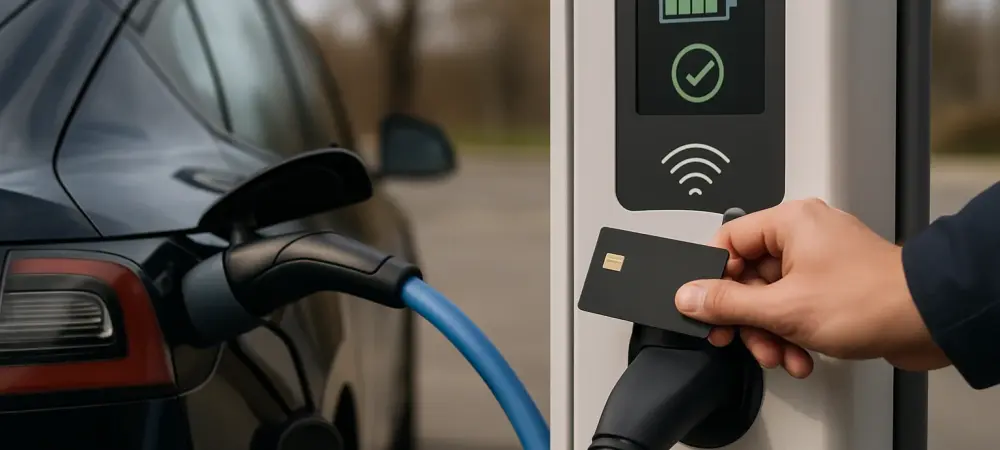
Imagine a world where charging an electric vehicle (EV) is as effortless as tapping a card at a coffee shop, with no fumbling for apps or worrying about compatibility across charging stations. As EV adoption skyrockets globally, with millions of vehicles hitting the roads, the need for seamless payment systems at charging stations has become a pressing challenge. This review dives into the cutting-edge technologies shaping EV charging payments, exploring how they address user convenience, security, and interoperability while paving the way for a more connected and efficient charging ecosystem.
Understanding the Landscape of EV Payment Technologies
The surge in EV usage has transformed the automotive and energy sectors, placing immense pressure on charging infrastructure to keep pace. Payment systems play a pivotal role in this ecosystem, acting as the bridge between drivers and charging services. Without secure and accessible solutions, the user experience suffers, potentially slowing the transition to electric mobility.
At the heart of this transformation lies the demand for technologies that prioritize ease of use while ensuring robust security. The industry has shifted toward interoperable systems that allow drivers to pay across different networks and regions without friction. This review focuses on two cornerstone technologies—EMV-based open payment systems and the ISO 15118 Plug & Charge framework—examining their capabilities and real-world impact.
Deep Dive into Key Technologies and Features
EMV-Based Open Payment Systems
EMV® technology, widely recognized for its use in secure card transactions, has emerged as a game-changer for EV charging payments. By enabling contactless payments at charging stations, it offers a familiar and reliable method for drivers to settle charges with a simple tap. Its encryption protocols ensure that transactions remain protected against fraud, a critical factor as charging networks expand.
Beyond security, EMV systems excel in scalability, supporting a wide range of payment methods from credit cards to mobile wallets. Their integration into charging infrastructure allows for quick processing, minimizing wait times for users. As stations adopt this technology, it fosters trust among EV drivers, ensuring that payment is never a barrier to accessing energy.
The performance of EMV-based systems in real-world scenarios has been promising, with many operators reporting high transaction success rates. However, challenges remain in ensuring universal compatibility across diverse hardware and software platforms. Continued refinement of these systems is essential to meet the growing demands of a global user base.
ISO 15118 Plug & Charge Framework
Complementing EMV technology, the ISO 15118 standard introduces a revolutionary approach through its Plug & Charge framework. This system automates the charging and payment process by enabling direct communication between the vehicle and the charging station, eliminating the need for manual input or external payment devices.
The beauty of ISO 15118 lies in its ability to authenticate users securely and initiate transactions without driver intervention. Once a vehicle is plugged in, the system identifies the user, authorizes the charge, and handles payment seamlessly. This not only saves time but also enhances the overall user experience by reducing complexity at the point of service.
Real-world applications of this framework demonstrate its potential to streamline operations for charging station operators while offering unmatched convenience to drivers. Interoperability with other payment systems remains a key focus, as aligning ISO 15118 with technologies like EMV ensures that users have multiple options. Ongoing testing and standardization efforts are crucial to expanding its adoption across regions.
Industry Trends and Collaborative Efforts
A notable trend in the EV charging payment space is the push for cross-ecosystem collaboration to standardize solutions. One prominent initiative involves CharIN e.V. and EMVCo, whose joint project, known as “New Payment Solutions,” seeks to integrate EMV-based systems with ISO 15118. This partnership aims to create a unified payment experience that prioritizes security and ease of use.
Stakeholders, including original equipment manufacturers, charging station operators, and mobility operators, are actively involved in addressing technical and operational hurdles. The consensus within the industry underscores the importance of seamless payment processes in driving EV adoption. By harmonizing diverse technologies, this collaboration sets a benchmark for user-centric innovation.
The emphasis on interoperability reflects a broader vision of providing EV drivers with flexibility and choice. Industry leaders recognize that a fragmented payment landscape could deter potential users, making standardization a top priority. As efforts progress from this year through 2027, the focus remains on developing scalable solutions that cater to a rapidly evolving market.
Real-World Implementation and Broader Impact
Across various regions, EV charging payment technologies are already transforming how drivers interact with infrastructure. From urban centers in Europe to sprawling networks in North America, operators are deploying EMV and ISO 15118 systems to enhance accessibility. These implementations have significantly reduced payment-related delays, boosting driver satisfaction.
The influence of these technologies extends beyond individual convenience to impact the scalability of charging networks. By simplifying transactions, operators can manage higher volumes of users, encouraging investment in additional stations. This ripple effect supports the expansion of infrastructure, a critical factor in meeting global EV demand.
Moreover, the adoption of standardized payment solutions fosters collaboration among stakeholders, creating a more cohesive ecosystem. Drivers benefit from consistent experiences regardless of location, while operators gain efficiencies in managing transactions. The long-term implications point to a more sustainable and interconnected energy landscape.
Challenges in Development and Deployment
Despite the advancements, integrating diverse payment systems like EMV and ISO 15118 presents significant technical challenges. Differences in hardware, software, and regional standards often hinder seamless interoperability, requiring extensive testing and customization. Aligning these technologies demands substantial resources and coordination among industry players.
Regulatory and market barriers also pose obstacles to global adoption. Varying compliance requirements across countries can slow the rollout of unified solutions, while market fragmentation complicates efforts to establish common practices. These issues highlight the need for international cooperation to streamline policies and foster acceptance.
Efforts to overcome these hurdles are underway, with collaborative projects focusing on conformance testing and standard development. By addressing both technical and systemic challenges, the industry aims to build a robust framework that supports diverse payment methods. Continuous dialogue among stakeholders remains essential to navigating this complex terrain.
Future Horizons for Payment Technologies
Looking ahead, EV charging payment solutions are poised for further innovation, particularly in digital security and user interface design. Advances in encryption and authentication could enhance protection against emerging threats, while intuitive interfaces might simplify interactions for all users. These developments promise to elevate trust in charging networks.
The integration of payment technologies with broader smart mobility systems also holds potential. As cities adopt connected infrastructure, payment solutions could link with traffic management or energy grid systems to optimize charging schedules and costs. Such synergies would support the growth of EV infrastructure on a global scale.
Long-term, standardized payment systems are expected to play a transformative role in societal and industrial shifts toward sustainable transport. By reducing friction in the charging process, these technologies could accelerate the transition to electric mobility, contributing to environmental goals. The coming years will likely reveal new opportunities to refine and expand these solutions.
Final Reflections and Next Steps
Looking back, this exploration of EV charging payment technologies revealed their critical role in shaping a seamless user experience. The integration of EMV-based systems and the ISO 15118 framework stood out as pivotal advancements that tackled key pain points in security and convenience. Their real-world impact underscored the value of industry collaboration in driving progress.
Moving forward, stakeholders must prioritize investment in interoperability testing to ensure compatibility across diverse platforms. Operators and manufacturers should also advocate for harmonized regulations that facilitate global deployment. Engaging with emerging digital payment trends will be vital to staying ahead of user expectations.
Ultimately, the journey toward a unified payment ecosystem for EV charging demands ongoing commitment from all players. Exploring partnerships and pilot programs can help test innovative approaches, while sharing best practices will accelerate learning. These actionable steps offer a clear path to building a future where charging an EV is as simple as any everyday transaction.