

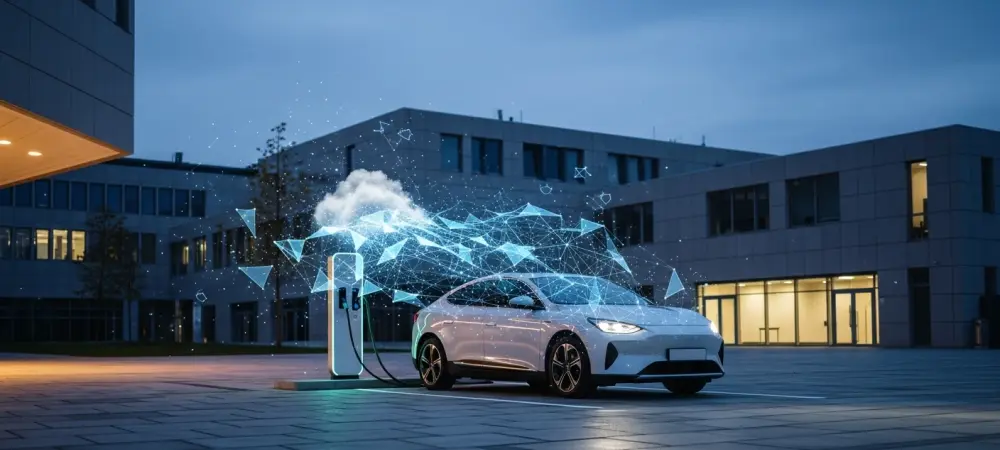
The convergence of automotive hardware and financial software is fundamentally altering how drivers interact with their vehicles during the initial point of sale. Embedded electric vehicle insurance has emerged as a critical response to the complexities of modern mobility, shifting the focus from manual brokerage to automated, integrated protection. By weaving insurance directly into the purchase and financing workflow, manufacturers like BYD are creating a seamless transition from the showroom to the road. This evolution represents a move away from legacy systems toward a digital-first ecosystem where coverage is a component of the vehicle itself rather than an after-the-fact administrative burden.
The Evolution of Embedded Insurance for Electric Vehicles
The technology under review has evolved from a simple referral system into a sophisticated digital architecture that connects insurers, manufacturers, and buyers. Historically, insuring an electric vehicle was often complicated by a lack of historical data regarding battery longevity and repair costs. Modern embedded solutions solve this by utilizing cloud-based infrastructures that process transactions in real time. This context is essential as the automotive industry pivots toward electrification, requiring a more agile financial framework to support rapid consumer adoption.
Key Components of Modern EV Insurance Solutions
AI-Powered Insurtech Platforms
At the heart of this technology is an AI-driven platform that manages the exchange of information between the vehicle manufacturer and the underwriter. These platforms utilize machine learning algorithms to analyze risk instantly, allowing for immediate policy issuance without the typical delays associated with manual reviews. This implementation is unique because it prioritizes digital convenience, enabling customers to secure coverage through a mobile app or a dealership terminal in seconds. Such efficiency matters because it reduces friction in the sales process, ensuring that insurance becomes an enabler rather than a hurdle.
Proprietary Telematics and Engineering Data Exchange
A defining feature of this technology is the exchange of proprietary engineering data, such as insights from BYD’s Blade Battery and specialized powertrain systems. Unlike traditional insurance models that rely on broad demographic statistics, this system interprets actual vehicle performance and safety benchmarks. By sharing technical data directly with underwriters, the platform facilitates more precise risk assessment. This leads to fairer pricing that reflects the technological advancements of the car, offering a significant advantage over competitors who still use generic actuarial tables.
Current Trends in the Digital Automotive Insurance Market
The market is currently witnessing a transition toward hyper-personalized, usage-based coverage that adapts to the driver’s habits and the vehicle’s health. New innovations in software-defined vehicles allow for “live” policy adjustments, where safety features and battery health are monitored to optimize premiums. This trend signifies a shift in consumer behavior, as drivers increasingly expect their insurance costs to align with the actual safety and efficiency of their specific driving patterns. Moreover, the integration of these services is becoming a standard expectation in the luxury and high-tech EV segments.
Real-World Applications and Strategic Deployments
Strategic deployments are already visible in major European markets, where the integration of bolttech’s technology into BYD’s sales network has streamlined operations in the United Kingdom. This rollout is expanding into France, Germany, Italy, and Spain, demonstrating a scalable model that works across different regulatory environments. These implementations showcase how manufacturers can leverage their technological infrastructure to offer specialized protection from the moment the car leaves the lot. Such use cases highlight the shift from fragmented services to a unified customer journey.
Challenges and Barriers to Widespread Adoption
Despite the clear benefits, technical hurdles and regulatory barriers remain significant obstacles to universal adoption. Differences in data privacy laws across international borders can complicate the sharing of telematics data, requiring complex legal frameworks to protect consumer information. Additionally, the industry faces the challenge of standardizing how battery health and engineering data are communicated without compromising manufacturer trade secrets. Ongoing development efforts focus on creating secure, encrypted data pipelines to mitigate these risks while maintaining transparency for all stakeholders.
Future Outlook for Embedded EV Technology
The path forward suggests that insurance will become even more deeply integrated into the vehicle’s operating system. Future developments from 2026 to 2028 are expected to focus on predictive maintenance alerts that automatically adjust insurance terms based on proactive vehicle care. This could lead to a long-term impact where insurance serves as a tool for extending vehicle life and improving road safety. As AI matures, the ability to forecast potential failures before they occur will likely become a standard feature of embedded financial products.
Final Assessment of the Embedded Insurance Landscape
The reviewed technology provided a robust framework for merging automotive engineering with modern financial services. It transitioned the insurance industry from a reactive model to a proactive, data-driven system that rewarded the safety of electric drivetrains. The partnership between manufacturers and insurtech firms simplified the consumer experience while offering a more accurate reflection of modern vehicle risks. Ultimately, this integration supported the broader shift toward sustainable transportation by ensuring that high-tech vehicles were backed by equally advanced protection. This strategic alignment established a new benchmark for digital excellence in the automotive sector.