

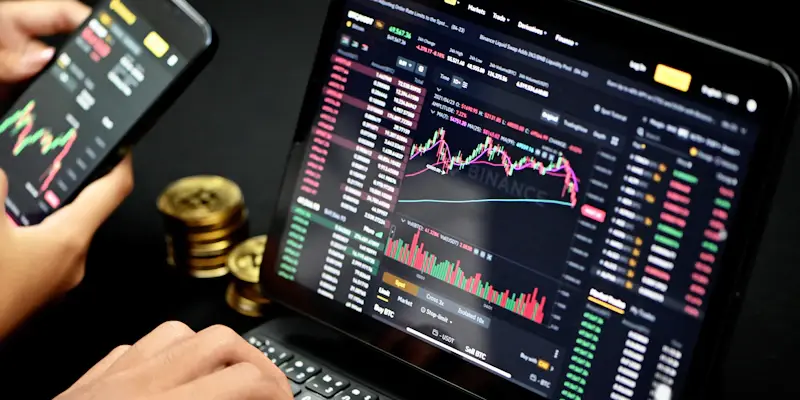
The recent fluctuations in the market value of Solana (SOL) have ignited substantial debate and speculation, particularly focusing on Binance’s role in these developments. Solana’s notable price drop amid broader market uncertainties led to allegations against Binance for supposedly dumping SOL tokens. This article dives into the intricacies of these claims, scrutinizing the contributing factors and Binance’s clarifications.
Market Withdrawals and Misunderstanding
Reports surfaced that Wintermute, a significant cryptocurrency market maker, had withdrawn $38.2 million worth of Solana (SOL) from Binance just before Solana’s $2 billion token unlock scheduled for March 1. This action stoked speculation within the crypto community, making many believe that Binance was offloading its SOL holdings and contributing to Solana’s price dive below $130.
However, Binance swiftly moved to counter these allegations, taking to social media to refute the claims. The exchange clarified that it was not engaged in dumping tokens as some speculated. Binance emphasized that its role is to match trades between users and facilitate transactions, not to sell or dump its token holdings. According to Binance, the misunderstanding stemmed from misinterpretations of standard market operations and how blockchain transactions are observed.
Independent Market Operations
Further information provided by Binance and a spokesperson from Arkham Intelligence highlighted the independence of market makers like Wintermute. These market makers operate autonomously within the exchange, implementing their strategies and withdrawing or moving tokens based on their market tactics. Binance stressed that it neither influences nor controls these market makers’ actions, underscoring the autonomy inherent in such operations.
This independence was further illustrated by another significant transaction where a newly created wallet withdrew 96,128 Solana (SOL) from Binance. The entire amount was then staked with Jito, linked to a cryptocurrency whale. This move showcased strategic maneuvers within the market aimed at maximizing profits through staking and expected higher sales prices.
SOL Price Recovery and Market Sentiment
Following the initial dip below $130, Solana’s price managed to bounce back above $140, hitting critical support levels. Crypto analyst Ali Martinez spotlighted the importance of maintaining the $125 support level to keep bullish momentum alive amid broader market volatility. This level is seen as essential to prevent further declines and ensure market stability.
The recovery of Solana’s price and the critical focus on support levels reflect ongoing sentiment and strategic positioning within the market. Investors and analysts keep a close watch on these levels, recognizing their importance in sustaining market confidence and influencing future price movements. Maintaining these key levels is paramount to avoiding substantial losses and ensuring a healthier market outlook.
Lessons on Market Transparency and Misinterpretation
The recent market volatility surrounding Solana (SOL) has sparked intense debate and speculation, with a spotlight on Binance’s impact on these fluctuations. Solana experienced a significant price decrease amidst general market instability, leading to accusations that Binance was dumping SOL tokens. This article delves into the complexities of these assertions, examining the various elements at play and offering insights into Binance’s explanations. The in-depth analysis in this article will shed light on the dynamics between Solana’s market performance and Binance’s actions, exploring whether these claims hold water or are merely speculative. It will also look into the broader market conditions that may have influenced Solana’s decline and consider other potential factors beyond Binance’s involvement. By dissecting these components, the article aims to provide a comprehensive understanding of the situation, clarifying the role Binance played, if any, in the SOL price drop, while addressing the broader implications for investors and the cryptocurrency market at large.