

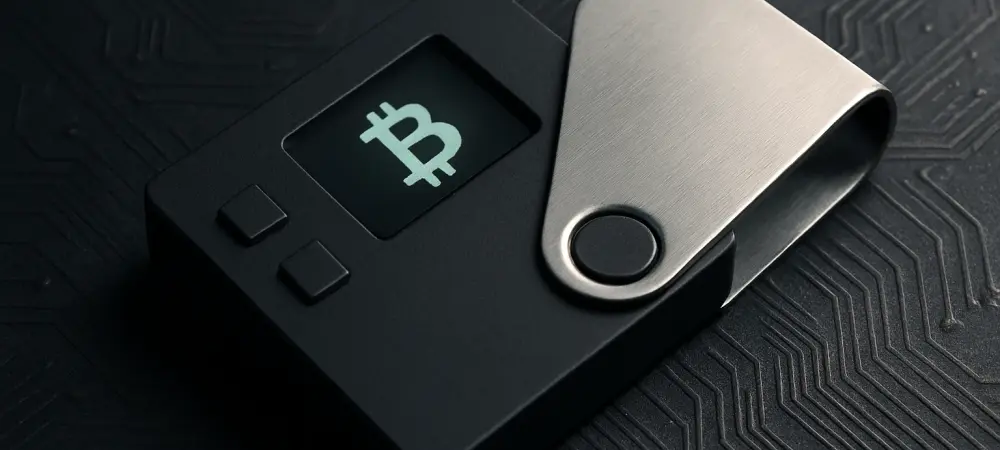
The Rising Stakes of Crypto Security
In an era where digital assets like cryptocurrencies and NFTs are becoming mainstream, the value at stake has never been higher, with billions of dollars in holdings vulnerable to theft or loss due to inadequate security measures. A single misstep, such as losing a seed phrase or falling victim to a phishing attack, can result in irreversible financial devastation for investors. This pressing reality underscores the urgent need for robust custody solutions that go beyond traditional methods and offer both security and peace of mind.
The landscape of crypto custody is evolving rapidly, with hardware wallets emerging as a critical tool for safeguarding digital wealth. Amid this transformation, innovative solutions are stepping up to address the shortcomings of conventional approaches, providing users with advanced mechanisms to protect their assets. This guide explores best practices for secure crypto management through a pioneering card-based hardware wallet, focusing on its groundbreaking features and actionable strategies for users.
Understanding how to implement cutting-edge custody tools is essential for anyone serious about protecting their digital investments. By adopting best practices tailored to modern security challenges, individuals can mitigate risks and ensure their assets remain safe in an increasingly complex digital world. This discussion aims to equip users with the knowledge needed to navigate these challenges effectively.
Why Secure Crypto Custody Is Non-Negotiable
The importance of secure crypto custody cannot be overstated, especially as vulnerabilities in traditional methods like seed phrases or single-device storage expose users to significant risks. Many investors have learned the hard way that a lost or stolen seed phrase can mean permanent loss of access to their funds, while single-point-of-failure devices leave no room for error if compromised. These gaps in security highlight the critical demand for more resilient solutions.
Advanced custody tools offer a way to overcome these limitations by introducing features like distributed key management and eliminating reliance on easily lost phrases. Such innovations not only bolster protection against theft and loss but also simplify recovery processes, ensuring users can regain access to their assets even in adverse situations. This shift toward enhanced security is reshaping how individuals approach asset protection in the crypto space.
Moreover, the growing adoption of digital assets has fueled a broader trend of seeking user-friendly yet highly secure tools. As the community expands, the expectation for transparency and reliability in custody solutions has intensified, pushing manufacturers to prioritize trust alongside functionality. Embracing these modern standards is no longer optional but a fundamental requirement for safeguarding wealth in today’s environment.
Best Practices for Optimal Security with Cypherock X1
Harnessing Distributed Key Management with Shamir Secret Sharing
One of the most effective ways to secure digital assets is by leveraging distributed key management, a method that eliminates the dangers of a single point of failure. Cypherock X1 employs Shamir Secret Sharing, a cryptographic technique that splits a private key into multiple shards, distributing them across the X1 Vault and four NFC-enabled cards. This ensures that no single component holds the complete key, drastically reducing the risk of unauthorized access.
To implement this in practice, users should carefully set up their device by following the guided process to distribute key shards across all components. During transactions, signing requires only a subset of these shards, typically from the vault and one card, which are temporarily combined in volatile memory without ever storing the full key in one place. This approach provides a robust defense against potential breaches, even if some components are lost or stolen.
A real-world scenario illustrates the power of this system: consider a user who misplaces two cards and the vault due to unforeseen circumstances; thanks to the built-in redundancy, the remaining two cards can still be used to recover access to the funds without compromising security. This kind of resilience is a cornerstone of best practices for long-term asset protection, offering unmatched assurance for serious investors.
Prioritizing Transparency and Bank-Grade Security Standards
Another vital practice in crypto custody is ensuring that the tools used meet the highest security benchmarks while maintaining transparency. Cypherock X1 incorporates secure elements with EAL certifications in both the vault and cards, providing bank-grade protection against physical and digital threats. These chips are designed to resist tampering, safeguarding sensitive data at every level.
Equally important is the commitment to openness, as the wallet’s firmware is open-source, allowing the community to scrutinize the code for vulnerabilities. This transparency is reinforced by third-party audits from reputable firms like KeyLabs, which validate the system’s integrity and build trust among users. An example of this trust-building approach can be seen in how public access to firmware code enables independent developers to verify the absence of backdoors or flaws. Unlike many competitors with proprietary systems, this level of openness empowers users to make informed decisions about their custody solutions. Prioritizing such standards ensures that security is not just promised but demonstrably delivered.
Evaluating the Right Fit and Final Considerations
Reflecting on the journey through secure crypto custody, it becomes clear that tools like Cypherock X1 set a new benchmark with their distributed key system, seedless design, and innovative inheritance options like Cypherock Cover. These features provide unmatched protection for long-term holders, addressing core vulnerabilities that plague traditional methods. The balance of robust security and user-centric functionality stands out as a defining achievement.
For those considering adoption, the next step involves assessing specific needs against the strengths of such advanced solutions. Serious investors, Bitcoin maximalists, and individuals with diversified portfolios find the most value in this approach, though the learning curve and cost warrant careful evaluation. Exploring how these tools integrate into personal security strategies emerges as a crucial follow-up action.
Looking ahead, staying informed about evolving features, such as tailored firmware updates for niche user groups, proves essential for maintaining an edge in asset protection. Engaging with community feedback and ongoing audits also offers a pathway to ensure continued trust and reliability. These considerations pave the way for a more secure and confident approach to managing digital wealth in an ever-changing landscape.