

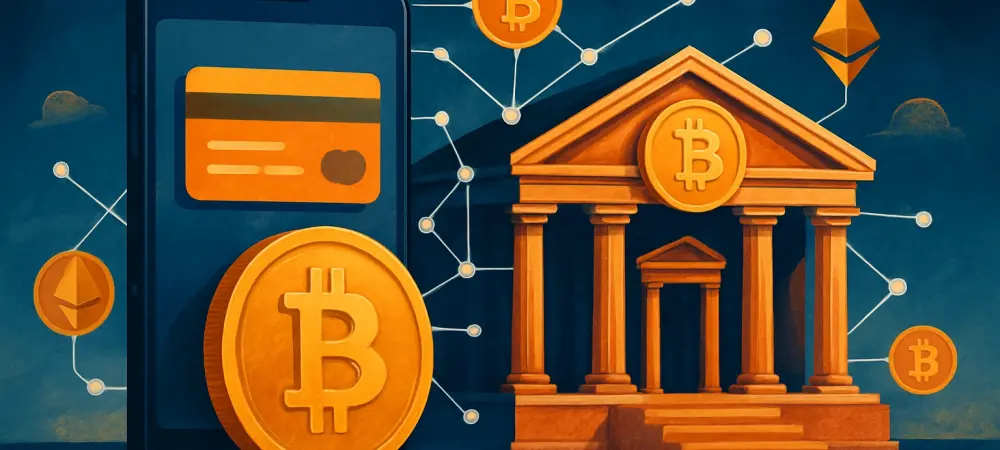
What if buying cryptocurrency felt as effortless as paying a bill through your bank app? In Germany, this seamless experience has become a reality through a groundbreaking collaboration between Coinbase, a leading cryptocurrency exchange, and Tink, an open banking platform powered by Visa. This partnership is tearing down barriers, allowing users to fund crypto purchases directly from their bank accounts with just a few clicks. It’s a bold step into a new era of financial integration, sparking curiosity about how traditional banking and digital assets can coexist.
The significance of this development cannot be overstated. As open banking gains momentum across Europe, fueled by regulatory frameworks like the EU’s revised Payment Services Directive (PSD2), the fusion of secure banking interfaces with cryptocurrency transactions addresses a growing demand for accessible financial tools. This story isn’t just about a new payment option; it’s about reshaping how people interact with money in a digital age, blending the old with the new in a way that could redefine global finance.
A Seamless Leap: Open Banking Meets Crypto
At the heart of this innovation lies a simple yet powerful idedirect bank-to-crypto transfers. German users on Coinbase can now bypass traditional payment hurdles by authenticating transactions through their bank’s secure interface, thanks to Tink’s account-to-account payment system. This eliminates the need for third-party payment apps or lengthy processes, making the purchase of Bitcoin or Ethereum as straightforward as any other bank transfer.
This isn’t just a convenience—it’s a game-changer for user adoption. With Tink’s infrastructure already trusted by major players like PayPal and Revolut, the reliability of this system is well-established. Early feedback from users highlights the impact, with many noting the speed and familiarity of the process as a key draw. The ease of integration signals a shift in how digital currencies can fit into everyday financial routines.
Why This Fusion Matters in Today’s Financial Landscape
The timing of this partnership couldn’t be more critical. Open banking, driven by PSD2, has opened up secure data sharing through APIs, empowering third-party providers to connect with traditional banks and offer enhanced consumer flexibility. Across Europe, this regulatory push has sparked a wave of innovation, creating fertile ground for solutions that bridge conventional finance with emerging technologies.
Meanwhile, cryptocurrency continues to capture mainstream attention, with transaction volumes surging on platforms like Coinbase. Recent data from the exchange indicates a 30% increase in European crypto trades over the past year, reflecting heightened interest from both individuals and institutions. Combining open banking with digital assets meets a clear market need, offering a secure and integrated way to engage with crypto at a time when demand is soaring.
This convergence also hints at broader implications. By aligning traditional banking with the crypto ecosystem, such integrations pave the way for greater financial inclusion, allowing even those unfamiliar with digital currencies to participate with confidence. It’s a pivotal moment that underscores the potential for technology to harmonize disparate financial worlds.
Inside the Partnership: A Blueprint for Innovation
Diving deeper into the collaboration reveals a meticulously crafted solution. Coinbase and Tink have leveraged cutting-edge API technology to enable direct transfers, ensuring that funds move securely from bank accounts to crypto wallets without unnecessary intermediaries. This streamlined approach not only enhances user experience but also reduces transaction friction, a common barrier in crypto adoption.
The impact extends beyond Germany, with plans to roll out this feature in other EU countries such as Spain, France, and Sweden in the coming years, from 2025 to 2027. Tink’s proven scalability, already embedded in global financial systems, provides a robust foundation for this expansion. Additionally, Coinbase’s data shows that nearly 40% of new users in Europe cite payment accessibility as a deciding factor in engaging with crypto, highlighting the strategic importance of this initiative.
More than a technical achievement, this partnership serves as a model for future integrations. It demonstrates how open banking can act as a conduit between established financial systems and innovative digital markets, potentially inspiring other exchanges or fintechs to follow suit. The ripple effect could reshape how financial services are designed and delivered across borders.
Industry Perspectives: Echoes of a Financial Shift
Voices from the field underscore the transformative potential of this development. A Coinbase representative stated, “Simplifying access to crypto is at the core of our mission, and partnering with Tink allows users to engage with digital assets using a trusted, familiar banking interface.” This sentiment reflects a deliberate focus on user-centric design, prioritizing ease and security.
Tink’s leadership echoed similar enthusiasm, emphasizing the power of open banking to drive change. “Collaborating with Coinbase showcases how APIs can revolutionize financial services, merging the stability of traditional banking with the dynamism of cryptocurrency,” a spokesperson noted. Such statements highlight the strategic vision behind this alliance, positioning it as a catalyst for broader industry evolution.
User experiences add a personal dimension to the narrative. A German Coinbase user shared, “Buying crypto used to feel complicated, but now it’s just like sending money to a friend through my bank app. It’s incredibly intuitive.” These firsthand accounts validate the real-world benefits, reinforcing the notion that this integration is not just theoretical but practically impactful.
Practical Steps: Navigating the New Crypto Frontier
For those eager to explore this innovation, actionable opportunities await. In Germany, Coinbase users can start by linking their bank accounts through the platform and following the secure authentication process via their bank’s portal. The setup is designed to be user-friendly, ensuring that even newcomers to crypto can navigate it with minimal hassle.
Looking ahead, staying updated on expansions to other EU markets is key. Announcements from Coinbase regarding availability in countries like France or Spain should be monitored closely, as this feature could soon reach a wider audience. Engaging with the platform’s updates ensures users are among the first to benefit from these rollouts.
Beyond immediate use, exploring Coinbase’s broader ecosystem offers additional value. Tools like stablecoin payments for merchants through Shopify or crypto purchases via Apple Pay for app developers provide diverse ways to interact with digital currencies. Understanding these options, alongside the larger trend of API-driven finance, equips users to adapt to an evolving financial landscape with confidence.
Reflecting on a Milestone in Financial Evolution
Looking back, the collaboration between Coinbase and Tink stood as a landmark moment in merging open banking with cryptocurrency transactions. It marked a significant stride in making digital assets more accessible, starting with Germany and setting a precedent for expansion across Europe. The integration highlighted how regulatory frameworks like PSD2 could fuel innovation, creating pathways for traditional and digital finance to intersect.
The broader initiatives by Coinbase, from stablecoin platforms to AI-driven transaction protocols, also underscored a commitment to simplifying crypto engagement. These efforts collectively pointed to a future where financial systems became more interconnected, breaking down barriers for consumers and institutions alike. The impact of such advancements reshaped perceptions of money in a digital era.
As a final consideration, attention turned to how individuals and businesses could leverage these tools moving forward. Exploring emerging payment options, staying informed about regional developments, and embracing API-driven solutions offered a way to stay ahead in a rapidly changing landscape. This partnership, in retrospect, was not just a single achievement but a stepping stone toward a more inclusive and innovative financial world.