

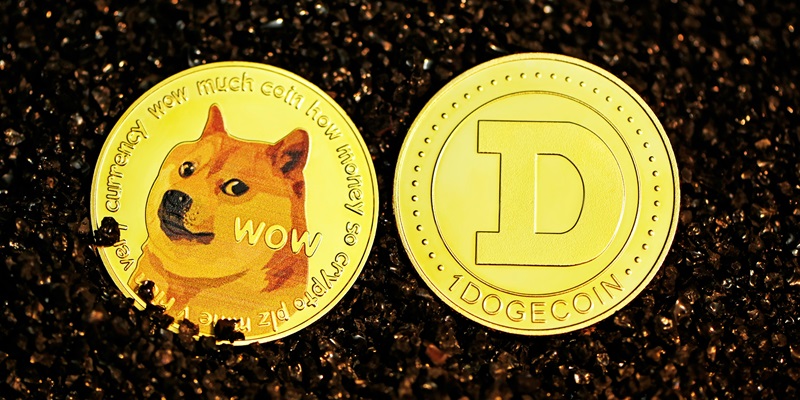
The ever-volatile meme coin market has experienced significant fluctuations recently, with notable declines in the prices of popular coins Dogecoin (DOGE) and Pepe (PEPE) between July 1 and 15. DOGE saw a staggering drop of more than 50%, while PEPE suffered a decline of 36%. Other meme coins like Dogwifhat (WIF) and Shiba Inu (SHIB) also experienced sharp losses during this period. The instability in this segment of the cryptocurrency market has investors both concerned and opportunistic, as major price movements can present both risks and opportunities.
Initial Surge and Subsequent Decline
Influence of Trump’s Incident on the Market
The immediate market response to Donald Trump’s near-death incident in Pennsylvania was a notable surge in prices, not only for meme coins but also for major cryptocurrencies like Bitcoin (BTC) and Ethereum (ETH). This event catalyzed a brief yet significant spike in the market, with investors reacting quickly to the news. This highlights the sensitivity of the cryptocurrency market to external news events, demonstrating how quickly sentiments can shift based on dramatic, unforeseen circumstances.
However, the gains from this surge were short-lived. By Thursday of the same week, the broader crypto market, including BTC and ETH, saw the initial gains vanish. This downturn reflected a broader trend in the market, which subsequently affected the valuation of various digital assets, including meme coins. The meme coin sector, known for its susceptibility to volatility, lost millions in market value during this period. The swift fluctuations underscore the market’s unpredictable nature, where investor confidence can wane as quickly as it builds, leading to rapid changes in coin valuations.
Market Reactions and Strategies
Despite the downturn, there was a glimmer of optimism as significant whale activity emerged. On July 18, around 16 million DOGE were acquired in a single day, an indication that large investors saw the plummeting prices as a buying opportunity. This purchase is reminiscent of the substantial buy in May, where 700 million DOGE, worth approximately $12 million, were acquired. Such strategic moves by whales highlight the calculated methods employed by major investors to capitalize on market dips.
QCP Capital had earlier predicted a shift in focus from utility tokens to meme tokens like DOGE, SHIB, and PEPE. Recent trends align with this prediction as these tokens have shown high rankings in open interest, despite their lack of inherent utility. The speculative nature of the meme coin market means that, even without intrinsic value, these tokens can attract significant investor interest due to the potential for substantial gains. This speculative frenzy often drives prices up quickly, albeit temporarily, as seen during the reaction to the Trump incident.
Speculation and Investor Behavior
Profits Amid Volatility
While the meme coin market is clearly risky and volatile, the potential for substantial profits keeps investors engaged. An illustrative example from earlier in the week saw a crypto trader making $8 million in profits from an investment in MAGA (TRUMP) following the news of Trump’s attack. This situation underscores the highly speculative nature of the meme coin market, where external news events can dramatically influence prices and investor behavior. The lure of such potential gains can attract both seasoned investors and those looking to make a quick profit.
However, this speculative nature also means that the market can be unforgiving. The rapid rise and fall of meme coin prices make it difficult for investors to predict and time their trades effectively. Those who manage to capitalize on sudden price surges can reap significant rewards, but the inherent risks mean that many may also face substantial losses. The volatility driven by speculative investments creates a high-stakes environment where fortunes can change in an instant, necessitating vigilance and a well-thought-out strategy for traders.
Market Dynamics and Predictive Insights
The ever-unpredictable meme coin market has been through significant turbulence lately, marked by noteworthy declines in the values of well-known coins such as Dogecoin (DOGE) and Pepe (PEPE) from July 1 to July 15. DOGE experienced a staggering drop of over 50%, while PEPE saw a 36% decline. This downturn did not spare other meme coins; Dogwifhat (WIF) and Shiba Inu (SHIB) also faced considerable losses during this timeframe. The inherent instability in the meme coin segment of the cryptocurrency market is causing investor worry as well as enticing those hoping to capitalize on the volatility. Major price swings in these assets present both substantial risks and potential windfalls, engaging a variety of investment strategies. While some seasoned investors may see an opportunity in the dips to buy at a lower rate, those less familiar with the market trends may find the fluctuations unsettling. As a result, meme coins continue to live up to their reputation for volatility, making them a focal point of intense scrutiny and speculation.