

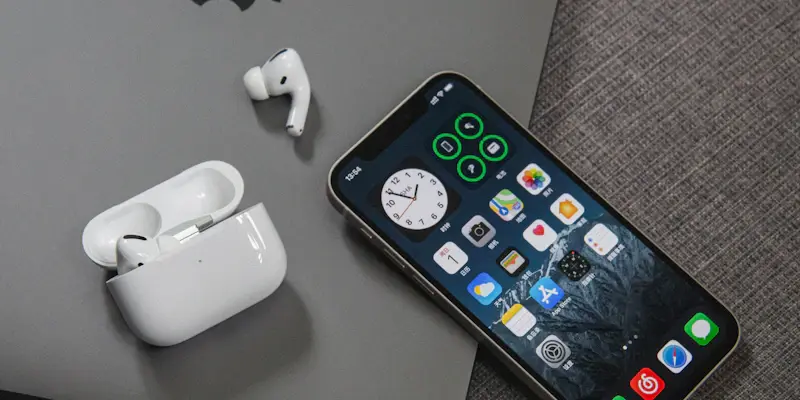
In a recent announcement that could significantly impact small and mid-market businesses in the U.S., Intuit Inc. revealed its latest solution aimed at revolutionizing the payment processing landscape. The introduction of ‘Tap to Pay on iPhone’ for QuickBooks Online customers offers an innovative, seamless, and secure way for businesses to accept contactless payments without needing extra hardware. This feature, integrated within the QuickBooks mobile and GoPayment iOS apps, marks a major step forward in simplifying financial transactions for businesses, bringing efficiency and growth to the forefront of Intuit’s strategic vision.
Embracing Contactless Payment Technology
Enhancing Payment Efficiency and Business Growth
The modern business environment demands agility and efficiency, particularly in financial transactions where speed and accuracy are crucial. The new Tap to Pay on iPhone feature allows businesses to process in-person payments quickly and securely by merely using an iPhone. This capability eliminates the necessity for clunky card readers or other traditional point-of-sale devices, streamlining operations and cutting costs in the long run. By integrating with QuickBooks Online, payments are automatically reconciled and updated in the business’s bookkeeping records, providing a straightforward and seamless financial management experience.
This innovation is not just about convenience; it is about creating tangible benefits that directly impact a company’s cash flow and overall financial health. According to the Intuit QuickBooks Quarterly Small Business Insights, roughly half of small businesses in the U.S. face significant cash flow challenges. With Tap to Pay on iPhone, businesses can receive payments instantly, reducing the gap between invoicing and actual receipt of funds. This immediate access to capital can make a considerable difference for small businesses, particularly those operating with tight margins or in highly competitive markets.
Providing Competitive Advantage to Small and Mid-Market Businesses
Beyond improving efficiency, Tap to Pay on iPhone positions small and mid-market businesses more competitively by addressing some of the most common financial challenges they face. The ability to accept various payment methods, including credit and debit cards, Apple Pay, and other digital wallets, means businesses can cater to the diverse preferences of their customers. This inclusivity not only enhances customer satisfaction but also opens up new opportunities for revenue generation and customer retention.
Moreover, Tap to Pay on iPhone ensures the security and privacy of transaction data, aligning with modern consumer expectations regarding data protection. As Apple does not store card numbers or transaction information on the device or its servers, businesses and their customers can transact with confidence. This level of security is a crucial selling point for consumers wary of digital payment methods, ultimately driving higher adoption rates and fostering trust between businesses and their clients.
Streamlining Financial Operations
Simplifying Invoicing and Payment Processes
One of the most compelling aspects of the Tap to Pay on iPhone feature is its impact on simplifying invoicing and payment collection. Small businesses often struggle with delayed payments, leading to cash flow issues that can affect operations. With this new functionality, businesses can not only get paid instantly on open invoices but also create new invoices on the spot for immediate payment. This capability reduces the administrative burden associated with traditional invoicing and payment follow-ups, allowing business owners to focus more on growth and less on financial logistics.
Additionally, the reduced processing fees associated with this method, compared to keyed-in payments, reflect cost savings that are critical for small businesses managing tight budgets. Intuit’s broader strategy encompasses supporting small businesses with comprehensive, cost-effective financial tools, and Tap to Pay on iPhone is a significant part of this vision. By lowering transaction costs and providing immediate access to funds, this feature enhances the overall financial stability and operational efficiency of businesses.
Leveraging Integrated Financial Tools
The integration of Tap to Pay on iPhone within QuickBooks’ existing suite of services provides a holistic approach to financial management. Small and mid-market businesses benefit from automated reconciliation, real-time updates, and the elimination of manual entry errors that often plague traditional payment processing systems. This integration means that all payment data is synchronized within the QuickBooks ecosystem, offering a cohesive view of the company’s financial health.
Intuit’s commitment to evolving QuickBooks to meet the dynamic needs of small businesses is apparent in this latest update. By leveraging advanced technology, QuickBooks aims to provide businesses with the tools they need to thrive in an increasingly cashless society. This forward-thinking approach not only simplifies the payment process but also supports the long-term success and sustainability of businesses navigating the challenges of a modern economy.
Future Considerations and Next Steps
Broader Implications for the Payment Processing Industry
The launch of Tap to Pay on iPhone is poised to have broader implications across the payment processing industry. As more businesses adopt this technology, it could spur further innovations and competition among payment service providers. The simplicity and efficiency offered by contactless payment solutions like this may set new standards for how businesses manage transactions in the future. Other companies may follow suit, integrating similar functionalities into their systems, ultimately benefiting businesses and consumers alike with a wider range of secure, efficient payment options.
Supporting Business Adaptation and Growth
Intuit Inc. recently made a significant announcement that could greatly impact small and mid-sized businesses across the United States. Their latest solution, ‘Tap to Pay on iPhone’ for QuickBooks Online customers, is set to revolutionize payment processing. This innovative feature provides businesses with a seamless, secure, and efficient way to accept contactless payments without the need for additional hardware. By integrating this functionality directly into the QuickBooks mobile and GoPayment iOS apps, Intuit is taking a major step in simplifying financial transactions. This development aligns with Intuit’s broader strategic vision, which focuses on enhancing efficiency and fostering growth for businesses. With ‘Tap to Pay on iPhone,’ companies can now process payments more quickly and conveniently, reducing operational complexities and improving cash flow management. This intuitive feature not only simplifies the checkout process but also enhances the overall customer experience, making it easier for businesses to thrive in an increasingly digital marketplace.