

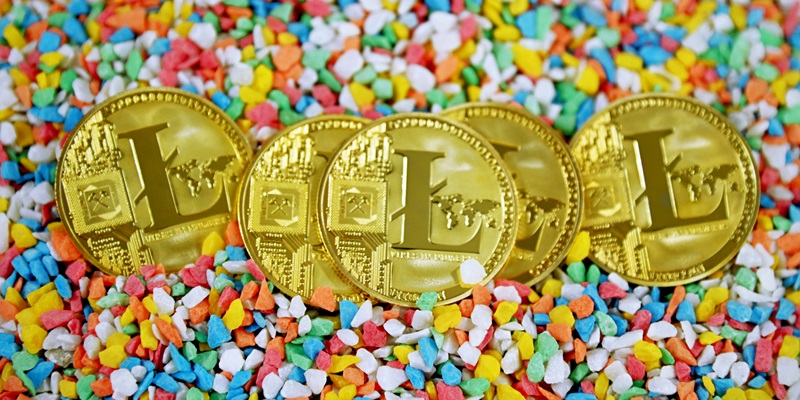
In the ever-evolving landscape of cryptocurrencies, a fascinating phenomenon has emerged that blends internet meme culture with digital assets, leading to impressive market success. One of the most recent and notable examples is the Solana Meme Coin Litecoin Mascot, commonly referred to as LESTER. Within just 48 hours of its launch on the Pump.fun platform, LESTER achieved a staggering $120 million market capitalization. Initially, LESTER’s value saw a meteoric rise of over 700% in just a single day, catapulting it to a $40 million market cap within the first ten hours of trading. The driving force behind this incredible surge was a combination of meme culture and fervent social media engagement, as trading volumes surpassed $164 million in a mere 24 hours.
The Humorous Genesis of LESTER
LESTER’s creation carries a whimsical backstory that highlights the playful nature of meme coins. The coin originated from a humorous remark by Litecoin itself during a meme coin rally, where it playfully declared its entry into the meme coin market. This statement spurred a significant wave of social media activity among investors, meme enthusiasts, and crypto aficionados. One particularly memorable contribution came from a user named "Greg," who posted a simplistic stick-figure drawing featuring the Litecoin logo humorously dubbed "Lester." Despite there being no formal affiliation between LESTER and the official Litecoin project, this light-hearted beginning captured the imagination of the online community and ignited immense interest in the token.
The rapid engagement from the online community showcased the power of social media in shaping market dynamics. As meme culture continued to influence public sentiment, more investors flocked to the LESTER token, bolstering its market value. This phenomenon underscores an intriguing trend in the cryptocurrency world: the intersection of humor, community engagement, and investment leading to extraordinary financial outcomes. LESTER’s meteoric rise exemplifies how a light-hearted and seemingly nonsensical remark can evolve into a substantial market force, driven by collective participation and viral marketing.
Impact on Litecoin and the Crypto Community
LESTER’s unexpected success also had a ripple effect on Litecoin’s native token, LTC. The increased attention and trading activity surrounding LESTER positively influenced LTC’s price and trading volume. This interconnection between meme coins and established cryptocurrencies highlights the fluid dynamics within the crypto market. As LESTER gained traction, it not only boosted its own value but also drew interest back to Litecoin, demonstrating how interconnected digital assets can experience symbiotic growth.
The LESTER phenomenon serves as a testament to the significant role that social media engagement can play in the cryptocurrency markets. The brisk rise of LESTER, fueled by community-driven sentiment and viral trends, illustrates the strong impact of collective action in the digital age. Additionally, it brings to light how meme culture, once considered trivial, has found a serious foothold in financial markets. While the long-term prospects of LESTER remain uncertain, its rapid ascent underscores the potential for community backing to drive substantial market movements.
The Power and Risks of Meme Culture in Crypto
Despite the undeniable success of LESTER, the rapid and volatile nature of meme-based cryptocurrencies brings attention to inherent risks. Investors must be cautious, recognizing that the same forces driving a token to unprecedented heights can just as swiftly lead to its downfall. The whimsical origins of LESTER, born out of a playful comment and a stick-figure drawing, highlight the unpredictable and speculative characteristics often associated with meme coins. As a result, investors should conduct thorough research and exercise sound judgment before engaging in such investments.
The disclaimer accompanying any news on LESTER emphasizes the importance of individual research and consulting with professionals when making financial decisions. Meme coins, by nature, are highly speculative, and their value is largely driven by social trends and public sentiment. As such, while the community backing can propel them to success, the lack of fundamental value drivers warrants a cautious approach. The crypto market remains a double-edged sword where humor and community can either lead to substantial gains or rapid declines.
Conclusion: The Future of Meme Coins
In the rapidly changing world of cryptocurrencies, an intriguing trend has surfaced, merging internet meme culture with digital currencies, resulting in considerable market achievements. A prime recent example is the Solana Meme Coin Litecoin Mascot, popularly known as LESTER. Within just two days of its debut on the Pump.fun platform, LESTER reached an astounding $120 million market capitalization. Remarkably, LESTER’s value skyrocketed by over 700% in just one day, reaching a $40 million market cap in just the first ten hours of trading. The primary factor behind this remarkable increase was the potent mix of meme culture and passionate social media engagement, as trading volumes soared past $164 million within 24 hours. This fusion of humor, digital assets, and active online communities demonstrates the power of social media and internet culture in shaping and driving the financial success of cryptocurrencies. The impact of these elements can no longer be underestimated in the booming crypto market.